What You Need to Know About Septic System Installation Inspection in Welfare, TX
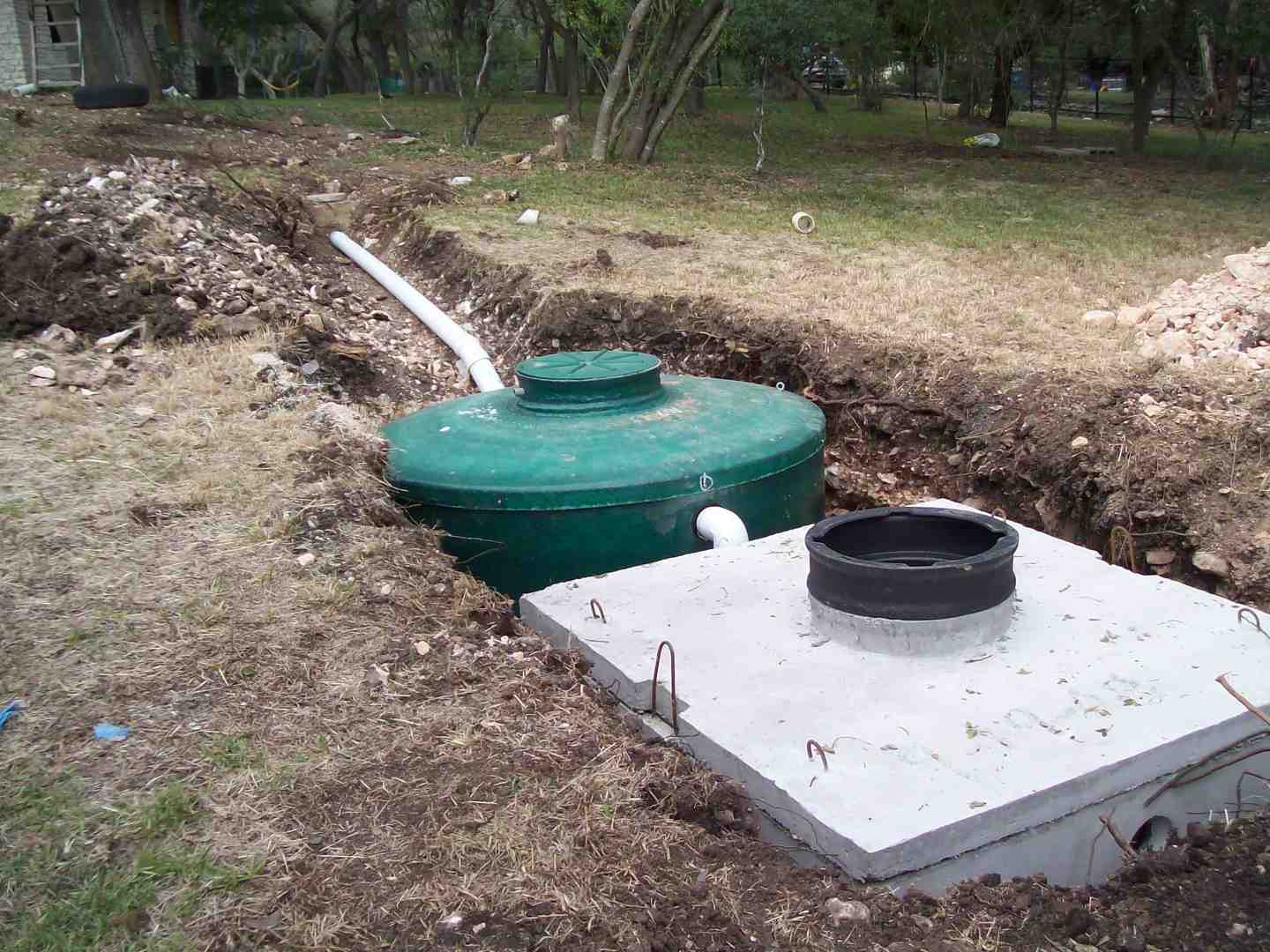
Septic system installation inspection in Welfare TX is a required step before any on-site sewage facility (OSSF) can legally operate on your property. In Texas, "OSSF" is the official term for what most people call a septic system — a private wastewater treatment setup used where public sewer lines aren't available, which is common in rural Kendall County communities like Welfare.
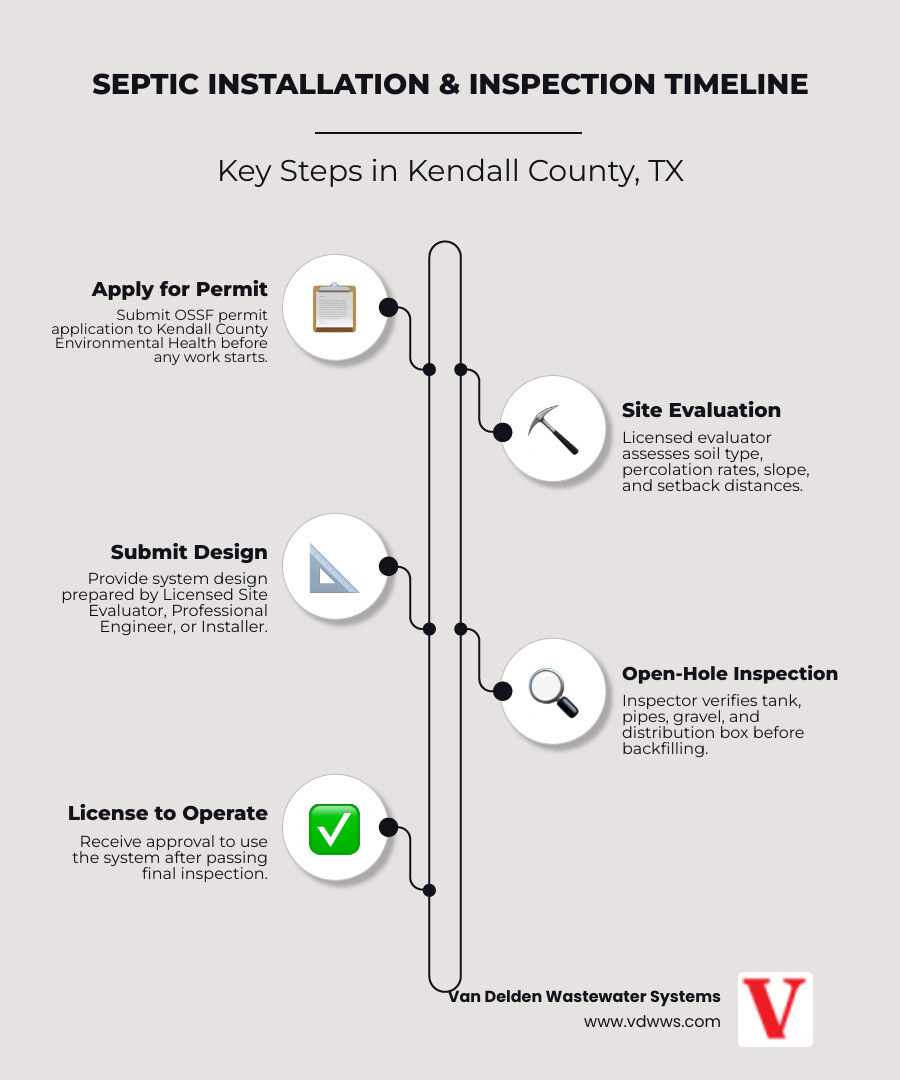
Here is a quick overview of what the process involves:
- Apply for an OSSF permit through Kendall County Environmental Health before any work begins
- Complete a licensed site evaluation to assess soil type, slope, and setback distances
- Submit a system design prepared by a qualified professional
- Pass an open-hole inspection before backfilling — an inspector must physically verify the installation
- Receive a License to Operate before the system can be used
Getting this process right protects your household from sewage-borne illness, keeps local groundwater clean, and keeps you on the right side of Texas state law under TCEQ Chapter 285.
Skipping or rushing any of these steps can mean costly delays, mandatory corrections, or even a failed inspection that puts your project on hold. Whether you are building a new home or replacing an aging system, understanding what inspectors look for — and what causes failures — can save you significant time and stress.
Septic system installation inspection in welfare tx terms at a glance:
Navigating the Septic System Installation Inspection in Welfare TX
When you start a project in Welfare, you aren't just digging a hole and dropping in a tank. You are entering a regulated environment overseen by Kendall County Environmental Health. This department acts as the authorized agent for the Texas Commission on Environmental Quality (TCEQ). They ensure that every septic system installation inspection in Welfare TX adheres to the strict standards found in TCEQ Chapter 285.
The goal of these regulations is simple: public safety. In the Texas Hill Country, our rocky terrain and sensitive water tables mean that a poorly installed system isn't just a nuisance—it’s an environmental hazard. By following the septic system installation process correctly, we ensure that wastewater is treated effectively on-site without contaminating our neighbors' wells or the local creeks.
Why is a septic system installation inspection in Welfare TX mandatory?
The primary reason for a mandatory inspection is the prevention of sewage-borne diseases like dysentery, hepatitis, and typhoid fever. Without a professional eyes-on review, a system might leak untreated effluent into the groundwater.
Furthermore, you cannot legally use your system without a "License to Operate." This license is only issued after a successful final inspection. If you attempt to bypass this, you may face legal penalties, and it will certainly cause massive headaches if you ever try to sell your property. Following the septic installation guide for Boerne, TX and surrounding areas like Welfare ensures your home remains a safe, compliant investment.
Texas law is very specific about who can touch your OSSF project. You cannot simply sketch a plan on a napkin. For a septic system installation inspection in Welfare TX to be valid, the groundwork must be laid by:
- Licensed Site Evaluator: A professional who tests the soil and determines what kind of system your land can handle.
- Professional Engineer (P.E.) or Registered Sanitarian (R.S.): These experts create the technical blueprints, especially for complex aerobic systems.
- Installer II: In Texas, an Installer II license is required for more complex systems (like aerobic units).
We recommend utilizing septic system installation services in Boerne and Welfare that employ these licensed professionals to ensure your design is approved the first time.
The Permitting and Site Evaluation Process in Kendall County
Before a shovel ever hits the dirt, we have to understand the land. A site evaluation is the heartbeat of the project. In Welfare, the soil can vary from thick clay to solid limestone. A licensed evaluator will perform a soil analysis to check "percolation rates"—how fast liquid moves through the ground.
They also look at the property slope. If your land is too steep, a conventional gravity system won't work. Finally, they check "setbacks." This means ensuring your tank and drainfield are a safe distance from property lines, water wells, and buildings. For more on how these factors change based on your specific Hill Country town, see our comprehensive guide to septic installation in Bulverde.
Documentation and timelines for your septic system installation inspection in Welfare TX
Patience is a virtue when dealing with permits. To get your OSSF permit, you must submit:
- A completed OSSF permit application.
- Technical site drawings (the "design").
- Property affidavits (especially for aerobic systems requiring maintenance contracts).
- Documentation regarding the 10-acre rule (if applicable).
Typically, the review process in Kendall County can take anywhere from a few days to a few weeks, depending on the current backlog. We always advise starting this process well before your construction crew is scheduled to arrive.
Understanding the 10-acre rule and self-installation
There is a common misconception in rural Texas that if you own more than 10 acres, you can do whatever you want. This is known as the "10-acre rule," but it has very specific limitations.
Under Texas law, a homeowner can potentially install their own system if the property is over 10 acres, is for a single-family dwelling, and is not intended for sale or lease. However, even under this rule, you must still follow all TCEQ technical standards and pass the same septic system installation inspection in Welfare TX as a professional. If you have any help (hired labor), that person must be a licensed installer. Furthermore, this rule does not apply to multi-family properties or commercial setups. Most homeowners find that the technical requirements are so high that it’s safer to follow a septic system installation guide for Waring, TX and hire a pro.
Technical Standards and Approved System Types
The type of system we install depends entirely on your soil. In Welfare, where "rocky" is an understatement, we often see three main types:
| System Type | Best For... | Soil Compatibility |
|---|
| Conventional | Large lots with deep, good soil | Sandy/Loamy soil (rare in Hill Country) |
| Aerobic | Small lots, rocky soil, high water tables | Most soil types; uses spray heads |
| Drip Distribution | Steep slopes, heavily wooded areas | Flexible; buried lines drip effluent |
Each of these has different requirements for a septic system installation inspection in Welfare TX. For example, aerobic systems must have a dedicated electrical circuit and a clear "spray area" that doesn't overlap with your neighbor's yard. You can read more about these nuances in our septic installation inspection guide for Waring.
Critical components of a septic system installation inspection in Welfare TX
During the "open-hole" inspection, the Kendall County official will check several key items:
- Tank Watertightness: The tank must be sealed so no groundwater gets in and no raw sewage gets out.
- Pipe Slope: Wastewater needs to move via gravity (unless a pump is used). If the slope is off, the system will clog.
- Gravel/Media Quality: For conventional systems, the gravel must be the right size and clean to allow for drainage.
- Distribution Box Leveling: If the box isn't perfectly level, one side of your drainfield will get soaked while the other stays dry, leading to premature failure.
For more technical details on component standards, check out our septic installation guide 1bbd3.
Common causes of inspection failure in rural Texas
It’s heartbreaking to see a project stalled because of a simple mistake. In areas like Welfare, failures often happen because of:
- Incorrect Setbacks: The installer put the tank too close to a well or property line.
- Improper Backfilling: Using large rocks to cover pipes can crush them once the soil settles.
- Unapproved Materials: Using thin-walled pipe that isn't rated for OSSF use.
- Design Deviations: The installer changed the layout on the fly without getting the engineer to update the plans.
Avoiding these pitfalls is why we emphasize following the septic installation guide 6c720 and working with experienced crews.
Final Inspection Procedures and Post-Install Care
The "Open-Hole Inspection" is the big day. This is when the inspector visits the site while the tanks and pipes are still visible (not covered with dirt). They use a checklist to verify everything matches the approved design. If everything looks good, they give the "authorization to backfill."
Once the dirt is pushed back and the grass is seeded, the job isn't quite over. You will receive your official License to Operate. If a system fails this final check, the consequences are severe: you may have to dig everything up, replace components, or even redesign the entire system from scratch.
Maintenance required to pass future inspections
Your system is an investment, and like a car, it needs oil changes—or in this case, pump-outs. We generally recommend pumping your tank every 2 to 5 years.
If you use a garbage disposal, you should increase that frequency to every 1 to 2 years. Why? Because disposals add a lot of solids (food scraps) that bacteria can't break down easily, filling up your tank much faster. If you have an aerobic system, you are also required by Kendall County to maintain a service contract, which includes regular chlorine residual checks and mechanical inspections.
Protecting your investment after installation
Passing your septic system installation inspection in Welfare TX is just the beginning. To keep it running for decades, practice "SepticSmart" habits:
- Avoid Harsh Chemicals: Bleach and drain cleaners kill the "good" bacteria that digest waste.
- Protect the Drainfield: Never park cars or build structures (like sheds or pools) over your drainfield. The weight can crush the pipes.
- Professional Monitoring: Have a professional check your sludge levels annually.
Items NEVER to flush:
- "Flushable" wipes (they aren't actually flushable!)
- Feminine hygiene products
- Grease, fats, and oils
- Cigarette butts
- Paper towels and tissues
Frequently Asked Questions about Welfare Septic Inspections
How long does the Kendall County permit process take?
Generally, you should plan for 10 to 14 business days for the initial permit review. However, this can fluctuate based on the volume of applications the county is receiving. We recommend submitting your paperwork at least a month before you hope to start digging.
Can I build a shed over my newly inspected drainfield?
Absolutely not. Building a shed, driveway, or any heavy structure over your drainfield compresses the soil and prevents the system from "breathing." It also makes it impossible to access the pipes if a repair is ever needed. Always keep your drainfield clear of everything except grass.
What happens if my system fails the final open-hole inspection?
If you fail, the inspector will provide a list of corrections. You (or your installer) must fix these issues and schedule a re-inspection. Kendall County and other local authorities often charge a re-inspection fee, so it's much better to get it right the first time!
Conclusion
A septic system installation inspection in Welfare TX might seem like a hurdle, but it is actually your best defense against future property damage and health risks. By understanding the regulations, hiring the right licensed professionals, and maintaining the system after the "open-hole" inspection is complete, you ensure a long life for your wastewater system.
At Van Delden Wastewater Systems, we’ve been helping Hill Country homeowners navigate these waters since 1937. As a family-owned business, we pride ourselves on our non-commissioned technicians who focus on education and quality rather than sales. We provide detailed service forms and photo documentation for every job, so you know exactly what is happening underground.
Ready to start your project with a team that knows Kendall County inside and out? Schedule your professional septic system installation and inspection today and let us handle the heavy lifting.