Managing Sudden Wastewater Spikes During Back-to-School Laundry Marathons
The late August rush to wash piles of clothes can overwhelm your septic tank's settling process. Discover how spacing out your laundry prevents irreversible drainfield damage.
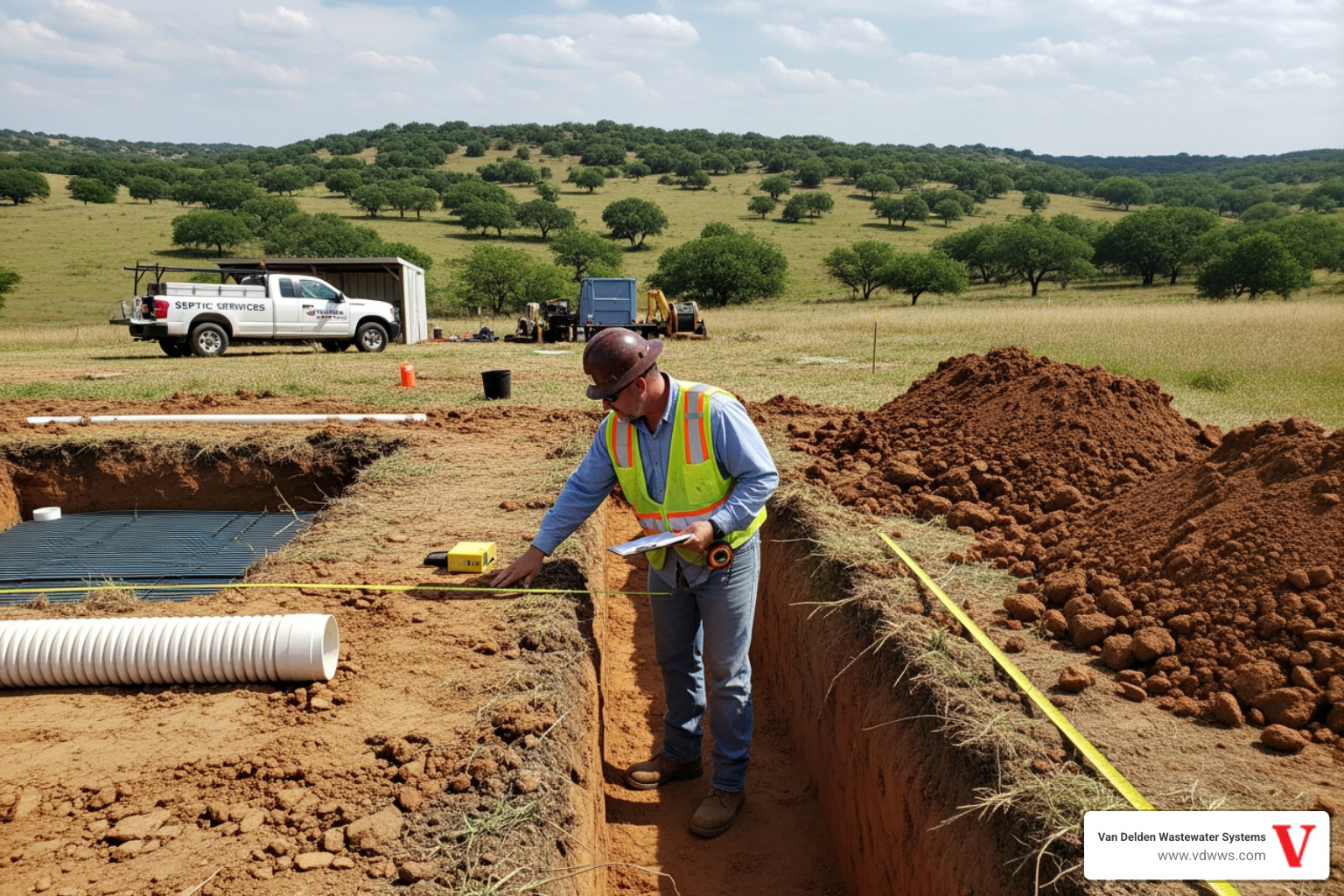
If you're looking for septic system installation inspection in waring tx, here's what you need to know: all new septic installations require a permit from Kendall County or TCEQ before construction begins, followed by a professional inspection to verify tank placement, drainfield construction, pipe connections, and compliance with state standards before you receive your permit to operate.
Quick Checklist for Septic Installation Inspection:
Living in the Texas Hill Country around Waring means dealing with limestone bedrock, challenging soil conditions, and strict regulations for septic systems. Whether you're building a new home or replacing a failed system, a thorough installation inspection protects your investment and ensures your system will work properly for decades.
For comprehensive guidance on the entire process, see our complete guide to septic system inspections in real estate, or contact us for professional inspection services.
The installation inspection isn't just a formalityit's your assurance that every component meets Texas standards and will handle your household's wastewater safely. From tank integrity to drainfield construction, inspectors verify that your system is built to last in Waring's unique geological conditions.
Septic system installation inspection in waring tx terminology and related Hill Country services:
The Texas Hill Country, including Waring, operates under stringent regulations for On-Site Sewage Facilities (OSSFs), commonly known as septic systems. These rules are primarily set by the Texas Commission on Environmental Quality (TCEQ), but the day-to-day administration and enforcement often fall to local authorities. For Waring, located in Kendall County, this means working closely with the Kendall County permitting authority, which acts as an "authorized agent" for the TCEQ.
It's a common misconception that rural living means fewer rules, but when it comes to septic systems, the opposite is true. Every home in Texas not connected to a city sewer system must possess and maintain a legally permitted septic system. This isn't just a suggestion; it's the law, designed to protect public health and the environment from untreated wastewater.
When it comes to permits, all new septic system installations and major repairs require one. This ensures that every system is designed, installed, and maintained according to state and local standards. Homeowners should always check with their local authority, which for Waring, TX, would be Kendall County, or refer to the TCEQ's resources on On-Site Sewage Facilities (Including Septic Systems). You can also search for your local permitting authority to confirm.
What about older systems? There's a bit of a gray area for "grandfathered" systems. If your septic system was installed before September 1, 1989, it might operate without a new permit, provided it meets specific criteria: it is not creating a nuisance, has not been altered, and is not in need of repair. However, the moment such a system fails or requires significant repair, a new permit meeting current state requirements becomes mandatory. It is always best to be proactive, and if you're unsure if you need a permit for a repair, we have more information in our guide: do-i-need-a-permit-to-repair-my-septic-system.
Navigating the permitting process for a septic system installation inspection in waring tx can feel daunting, but it's a structured process designed to ensure your system's longevity and compliance. It all begins well before any dirt is moved.
The first crucial step is a comprehensive site evaluation. This involves a certified Professional Engineer or Sanitarian assessing your property to determine its suitability for a septic system. This is a detailed analysis that includes soil analysis, which is paramount in the Hill Country. The site evaluator will determine the specific type of OSSF that will work for your site, considering factors like soil composition, topography, and the water table. Thinking about building a new home? Our guide on septic system planning: what to know when building a home offers valuable insights.
Once the site evaluation and soil analysis are complete, the system design phase begins. This design must adhere to TCEQ standards and be appropriate for your property's unique conditions. After the design is finalized, the permit application is submitted to the local permitting authority (Kendall County for Waring). This application typically requires a comprehensive package of documents, including:
All new OSSF systems must be permitted before installation begins. You can even pay OSSF applications online via ePay for convenience. This meticulous process ensures that your septic system is not only functional but also environmentally sound and compliant with all local and state regulations.
The geological makeup of the Texas Hill Country, particularly around Waring, presents unique challenges and opportunities for septic system design and installation. The region is characterized by significant limestone bedrock, often with shallow, rocky soils. There are also areas with heavy clay soils, which can be just as problematic for conventional septic systems.
These specific soil types and geological considerations are why a thorough site evaluation is not just a formality but a critical step in any septic system installation inspection in waring tx. Many soils in this area simply cannot properly absorb pollutants, making conventional septic systems, which rely heavily on the soil for treatment and dispersal, often unsuitable or requiring extensive modifications. This often necessitates alternative treatment methods, such as aerobic systems.
During the site evaluation, a certified professional will assess:
These factors directly affect drainfield suitability and dictate the type of septic system that can be installed. For instance, if your soil has poor percolation rates or shallow bedrock, a conventional system with a traditional drainfield might not be approved. This is where expertise in the septic system design and installation process becomes invaluable, ensuring the system is custom to your land's specific characteristics.
The journey of a septic system from blueprint to operational status involves several critical inspection points. A guide to septic system installation typically outlines this, but here the focus is on the inspection aspects crucial for Waring, TX. The goal of these inspections is to verify that the system is installed correctly, adheres to the approved design, and complies with all state and local regulations.
The inspection process generally follows these stages:
When a TCEQ-certified technician arrives for a septic system installation inspection in waring tx, they're not just glancing at the system; they're performing a thorough examination of its critical components. Professionals follow a detailed checklist to ensure everything is up to code. Here's what will be scrutinized:
These checkpoints are vital for ensuring the system's long-term performance and preventing costly failures down the line. For a deeper dive into what happens during an inspection, you might find the article what-happens-during-a-septic-system-inspection-part-i helpful.
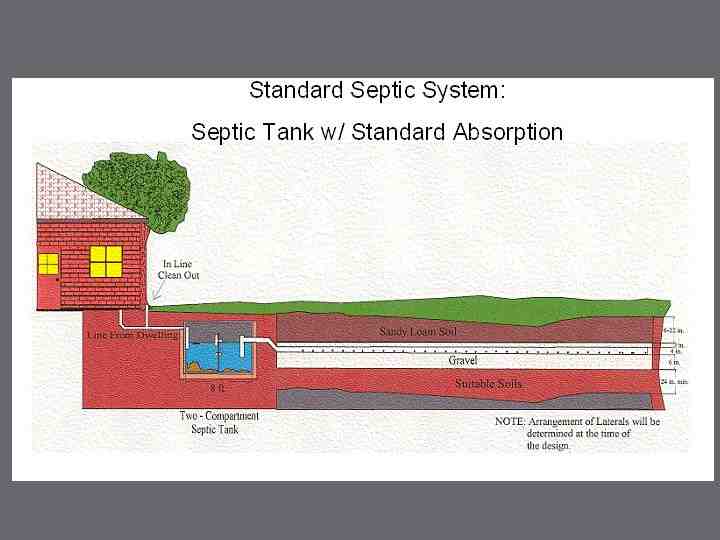
When considering a septic system installation inspection in waring tx, understanding the different types of systems available is crucial, especially given the unique geology of the Texas Hill Country. The two primary types often used are conventional (anaerobic) and aerobic systems. Each has distinct characteristics that make it suitable for different site conditions. The article on septic system jargon defined: standard vs. aerobic systems provides a good overview.
Here is a comparison to help illustrate the differences:
| Feature | Conventional (Anaerobic) System | Aerobic System |
|---|---|---|
| Treatment Process | Relies on natural anaerobic bacteria in a septic tank to break down solids. Effluent then flows to a drainfield for further treatment and dispersal. | Uses forced air (aeration) to promote aerobic bacteria, leading to a more thorough treatment process in multiple chambers (aeration, clarifier). |
| Soil Requirements | Requires well-draining soil with good percolation rates for the drainfield. Less suitable for clay, rocky, or shallow soils, common in the Hill Country. | Can be used in areas with poor soil conditions (clay, shallow, rocky) where conventional systems would fail, as it treats wastewater to a higher standard before dispersal. |
| Maintenance Needs | Generally requires pumping the septic tank every 3-5 years to remove accumulated solids and scum. Fewer mechanical parts means less frequent inspections. | More complex, with mechanical components (aerator, pump, chlorinator). Requires more frequent maintenance, often under a service contract, with site visits every few months. |
| Effluent Disposal | Treated wastewater is dispersed into a drainfield (leach field) underground, where soil further filters it before it rejoins groundwater. | Highly treated and disinfected wastewater can often be dispersed via surface irrigation (spray or drip fields), making it beneficial in areas with poor soil or water conservation needs. |
Given that many soils in the Texas Hill Country cannot properly absorb pollutants, aerobic systems are often the more suitable, or even required, choice for septic system installation inspection in waring tx. They provide a higher level of treatment, making them a more environmentally friendly option where soil conditions are challenging. You can learn more about common septic systems: aerobic system and conventional septic system on our blog.
While conventional systems are simpler, their reliance on ideal soil conditions often makes them impractical in this region. Aerobic systems, despite their higher maintenance, offer a robust solution for wastewater treatment, helping ensure compliance with environmental standards and protecting local water resources.
A professionally installed septic system is a long-term investment in your property and the environment. A well-maintained system can last 20 to 40 years or even longer. However, like any complex system, it requires diligent care. The Texas Hill Country climate, with its cycles of heavy rains and droughts, adds another layer of complexity to septic system performance and maintenance.
Routine maintenance is the cornerstone of septic system longevity. For conventional anaerobic systems, the primary maintenance task is regular pumping to remove the accumulated layer of solids (sludge) and scum. A general recommendation is a pumping schedule of every three to five years, though this can vary based on household size and water usage. The article how-often-should-my-septic-tank-be-cleaned offers more detail.
Aerobic systems, due to their advanced treatment process and mechanical components, have more stringent maintenance requirements. These typically involve ongoing service contracts, with licensed maintenance providers performing site visits every few months (often every four months, with contract renewals every two years in some areas). This ensures the aerator, pump, and disinfection unit are functioning correctly and that the system's chemical balance is maintained. Comprehensive aerobic system maintenance services help keep these complex systems running smoothly.
The local climate and weather in Waring, TX, significantly impact septic system performance. Heavy rains can saturate drainfields, leading to slow drainage, backups, or even system failure. The blog post recent-rains-causing-septic-system-failure explores this in detail. Conversely, prolonged droughts can cause the ground to shift, potentially cracking pipes, and prompting tree roots to seek out the moisture in your drainfield, leading to blockages. Proactive maintenance helps mitigate these weather-related risks.
Even with the best installation and maintenance, sometimes things go awry. Recognizing the signs of an improperly installed or failing septic system early can reduce headaches and costs. Homeowners in Waring, TX, should keep an eye out for these telltale indicators:
Any of these signs warrant prompt investigation by a septic specialist. Ignoring them can lead to more extensive damage, costly repairs, and potential health hazards.
Choosing the right professionals for your septic system installation inspection in waring tx is paramount. You wouldn't trust your car to an unlicensed mechanic, so why trust your home's wastewater system to anyone less than an expert? Here's what to look for:
For more insights, the guide on professional-septic-inspection offers additional tips.
A professional septic system installation inspection in waring tx isn't just a regulatory hurdle; it's a critical safeguard for your property, health, and the environment. Here's why it's so important:
A professional inspection provides peace of mind, knowing your system is installed correctly, will function efficiently, and will not cause harm to your property or the wider community.
For homeowners with a conventional (anaerobic) septic system in Waring, TX, one of the most common questions is about pumping frequency. This is a vital part of long-term maintenance, and knowing when is it time for septic tank pumping can help you avoid unpleasant surprises.
Conventional anaerobic systems rely on bacteria in the septic tank to break down solid waste. Over time, however, solids that don't decompose settle at the bottom, forming a sludge layer, while lighter materials like oils and grease float to the top, forming a scum layer. If these layers accumulate too much, they can clog the outlet pipe, allowing solids to flow into the drainfield, which can cause irreversible damage and lead to system failure.
Generally, conventional septic tanks should be pumped every three to five years. However, this is a guideline, not a hard-and-fast rule. Several factors can influence how often your specific tank needs pumping:
Regular inspections by a qualified professional can help determine the ideal pumping schedule for your unique system, ensuring it operates efficiently and extends its lifespan.
The process of a septic system installation inspection in waring tx might seem complex, but it's a vital investment in the health and value of your home. From understanding the specific regulations set by TCEQ and Kendall County, to navigating the unique geological challenges of the Hill Country, every step is designed to ensure your system is compliant, efficient, and built to last. A professional inspection guarantees that your system is not only legally sound but also environmentally responsible, helping protect local water and land resources.
By prioritizing proper installation, adhering to professional inspections, and committing to long-term maintenance, you're safeguarding your property, helping prevent costly future repairs, and contributing to the well-being of your community.
For expert guidance on your septic system needs in the Waring and Boerne area, trust the experience of Van Delden Wastewater Systems. This family-owned business, established in 1937, offers professional service with honest, background-checked, non-commissioned technicians who educate customers, ensuring quality work with detailed service forms and photo documentation. Learn more about our septic system installation services.

Peter was personable, professional and thorough. Highly recommend Van Delden. You might be able to find a cheaper company but not better!
On time. 100% professional, knowledgeable, and courteous. Very helpful and straightforward. That is the bar all businesses should strive for.
It has been a pleasure working with your company. Not only did y’all communicate very well but your workers were always polite! Thank you!
“I thank Van Delden for such prompt service. Honest people are hard to come by these days. I will certainly recommend Van Delden to anyone! Jesse is an upstanding young man and very nice to talk to. I thank everyone at Van Delden for taking such good care of me.”
This is just a note to thank you for explaining the problem with my system. You didn’t have to be so kind and I appreciate your good business ethics and time spent. In the future you will have mine in return!