


Septic Tank Replacement
Septic tanks are built to last decades, but they are not permanent. Age, soil movement, corrosion, roots, and damage can eventually make replacement the only safe and compliant option.
At Van Delden, we specialize in evaluating whether a tank can be repaired or whether full replacement is required — and if replacement is needed, we guide you through the permitting, regulatory requirements, and installation process from start to finish.
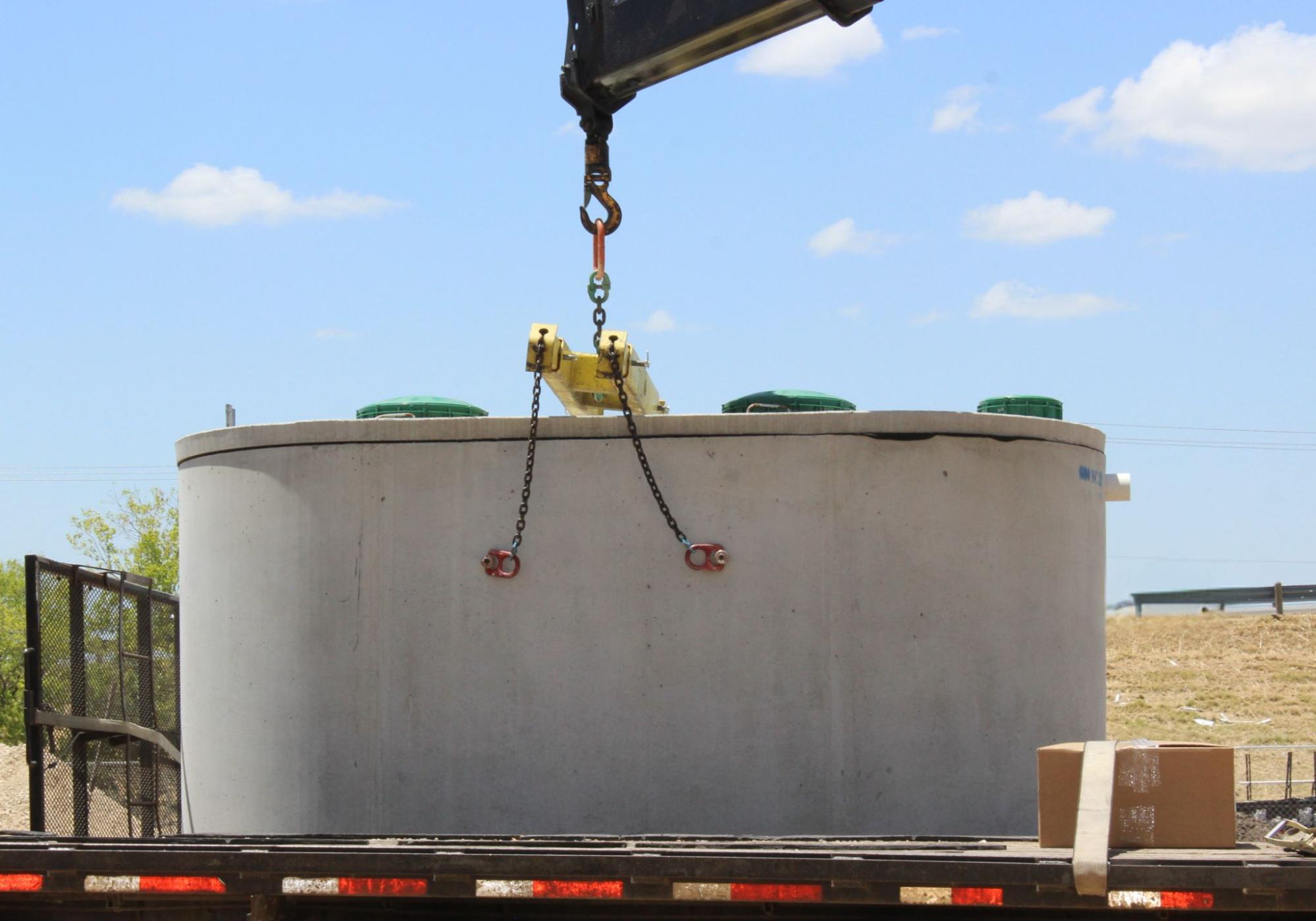
Common Reasons a Septic Tank Needs Replacement
Not every failing tank looks the same. Some issues are visible, others are discovered during cleaning, locating, or repair work.
Permits & Regulations: What You Need to Know
Septic tank replacement always requires a permit.
This work must comply with TCEQ (Texas Commission on Environmental Quality) regulations and local authority requirements.
Why regulations matter
When a tank is replaced, current rules must be reviewed — even if your system was installed decades ago.
- In some cases, we can replace the tank only
- In other cases, newer regulations may require additional updates
- Older systems may be “grandfathered” only to a certain extent
- Site conditions (soil, setbacks, tank size, system type) all factor in
This means a simple tank replacement can sometimes snowball into additional required work. We believe in explaining this upfront — not surprising you mid-project.
Our team evaluates your existing system, property layout, and regulatory requirements before work begins so you know what to expect.
Our Septic Tank Replacement Process
We don’t guess — we assess, plan, and execute correctly.
Our process typically includes:
- System evaluation and tank condition assessment
- Review of existing system type and age
- Permit application and regulatory coordination
- Tank pumping and proper abandonment
- Installation of a new, code-compliant septic tank
- Inspection and final approval
- Proper backfill and site restoration
If additional work is required due to regulations, we walk you through the options and pricing before proceeding.
Can My Tank Be Replaced Without Replacing the Whole System?
Sometimes — yes.
Sometimes — no.
It depends on:
- The age of the system
- Current TCEQ rules
- Soil conditions
- Property setbacks
- Type of system (conventional vs aerobic)
- Overall system condition
Our job is to find the most reasonable, compliant solution — not automatically push a full system replacement.
Related Services
In some situations, tank replacement is part of a larger solution. These services are often evaluated at the same time:
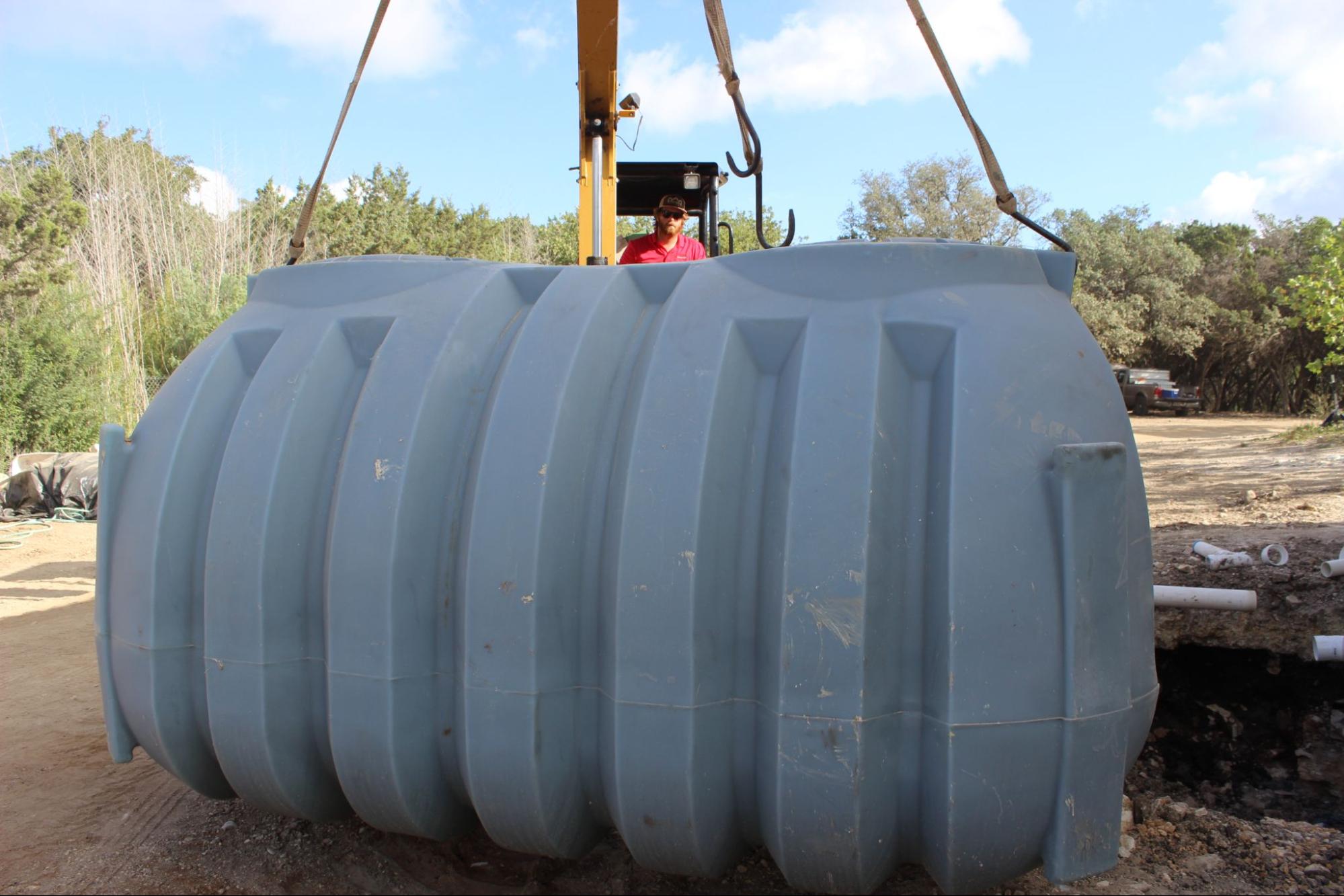
Why Van Delden?
- Specialized septic and aerobic experts — not general contractors
- Deep knowledge of TCEQ regulations and local permitting
- Honest evaluations with clear expectations
- Fully licensed, experienced crews
- Long-term focus on system health, not short-term fixes
If your septic tank is failing, damaged, or no longer compliant, we’ll help you understand what’s required, what’s optional, and what’s worth doing — before the work begins.
Septic Tank Replacement Pricing
Septic Tank Replacement — Starting at $9,500
This is turn-key pricing, meaning it typically includes:
- Removal and disposal of the existing tank
- Installation of a new code-compliant septic tank
- Required permitting and inspections
- Labor, equipment, and standard materials
- Proper backfill and site restoration
Final pricing may vary based on tank size, depth, access, soil conditions, and regulatory requirements. Any pricing adjustments are discussed and approved before work begins.
Important Clarification: Tank Replacement vs. System Replacement
Septic tank replacement and septic system replacement are NOT the same thing.
- Tank Replacement
Replacing only the septic tank while keeping the existing drainfield and system components — when allowed by regulations and site conditions. - System Replacement
Replacing the septic tank and additional components such as the drainfield, treatment method, or system type. This is more extensive and priced separately.
In many cases, we can replace just the tank. However, TCEQ regulations and site conditions ultimately determine what is allowed. Older systems may trigger additional requirements when a tank is replaced.
We evaluate this upfront so there are no surprises mid-project.

How Often Should I have my septic tank pumped?
Number Of Years between Pumpouts
.png)
How Often Should I have my septic tank pumped?
Number Of Years between Pumpouts