Essential Documentation and History for Septic Evaluation
Before we even step foot on the property, the evaluation process begins with paperwork. We often tell our neighbors in Boerne and San Antonio that a septic system is like a car; if there’s no record of an oil change in ten years, you should be worried about the engine.
The Importance of System Age and Type
The first thing we want to know is the age and type of the system. Most conventional systems are designed to last 20 to 30 years, though we’ve seen well-maintained concrete tanks last 40 years or more. However, as systems approach that 25-year mark, the risk of drainfield failure increases significantly.
You also need to know what you’re looking at. Is it a standard gravity system, or an aerobic treatment unit (ATU)? In areas like Spring Branch and Bulverde, where soil can be thin or rocky, you might find more complex systems that require specialized maintenance. Understanding Septic System Planning: What to Know When Buying a Home is crucial because different systems have different "expiration dates" and maintenance needs.
Pumping History and Permits
We always ask the seller for a complete maintenance history. Specifically, when was the tank last pumped? A properly functioning tank should be pumped every three to five years. If the seller can’t provide a receipt, we assume it hasn’t been done.
We also recommend checking with the local regulatory authority—such as the San Antonio Metropolitan Health District or the relevant county office—for "as-built" drawings and permits. These documents show exactly where the tank and drainfield are located. If the home has had additions, like an extra bedroom or a renovated master suite, we need to verify if the septic system was upgraded to handle the increased load. A system designed for a two-bedroom cottage will quickly fail if it’s now serving a four-bedroom family home. If you're wondering, Should I Buy a Home with a Septic System, the answer is almost always "yes," provided the documentation proves it has been cared for.
How to Evaluate Septic System Condition Before Buying with a Professional Inspection
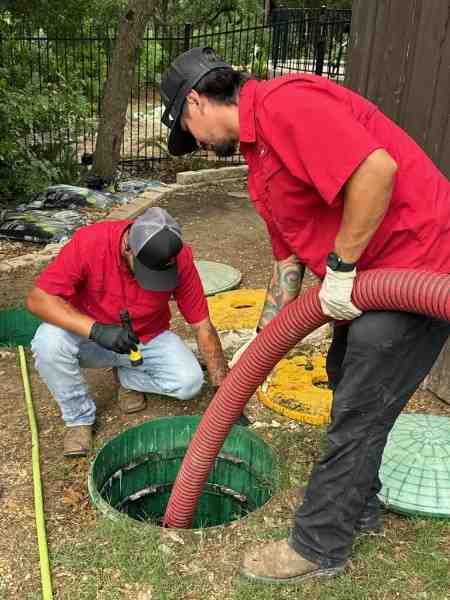
A "visual inspection" is rarely enough when you are about to sign a mortgage. We’ve seen many buyers skip the deep dive, only to regret it a month after moving in. To truly understand how to evaluate septic system condition before buying, you need a professional who knows how to stress-test the components.
The Hydraulic Load Test
If a house has been vacant for several months, the septic system has had a "rest." This can hide a failing drainfield because the ground has had time to dry out. A professional inspector may perform a hydraulic load test, which involves introducing a specific volume of water into the system (often 150–300 gallons) to simulate daily usage. We then monitor how the drainfield handles that "slug" of water. If the water levels in the tank or the yard rise and don't recede, the drainfield is likely reaching the end of its life.
Tank Integrity and Baffles
During a full inspection, the tank should be pumped. This is the only way to see the bottom and sides of the tank to check for cracks or leaks. We also inspect the baffles—the T-shaped pipes that prevent solids from flowing out into the drainfield. If a baffle is missing or corroded, solids can clog your soil, which is a leading cause of system failure.
| Feature | Visual Inspection | Full Professional Inspection |
|---|
| Check Water Flow | Yes | Yes |
| Locate Tank/Field | Yes | Yes |
| Open Tank Lids | Sometimes | Always |
| Measure Sludge/Scum | No | Yes |
| Inspect Baffles | No | Yes |
| Pump Tank | No | Yes |
| Hydraulic Load Test | No | Often Included |
| Check Backflow | No | Yes |
Do I Need a Septic Inspection When Buying a Home? Absolutely. A full inspection can reveal problems that a simple flush test will miss every time.
Visible Warning Signs and Red Flags During a Property Walkthrough
While you wait for the professional report, you can do some detective work yourself during your initial walkthrough. We encourage our clients in Fair Oaks Ranch and Helotes to use their eyes and noses.
The "Lush Grass" Trap
Many buyers see a patch of vibrant, thick, emerald-green grass in the backyard and think, "What a beautiful lawn!" In the septic world, that is a major red flag. If the grass over the drainfield is significantly greener or taller than the rest of the yard, it usually means the effluent (wastewater) is rising to the surface rather than filtering down through the soil. The grass is essentially being over-fertilized by sewage.
Odors and Soggy Soil
Walk directly over the area where the drainfield is located. Does the ground feel "spongy" or springy under your feet? Is there standing water even though it hasn't rained recently? These are signs of a "surface breakout." And, of course, if you catch a whiff of a rotten-egg or sewage smell, the system is failing to treat the waste properly.
Indoor Red Flags
Inside the house, pay attention to how the drains behave.
- Gurgling sounds: If the pipes "glug" after you flush, it could mean the tank is full or there’s a blockage.
- Slow drains: If multiple sinks or tubs drain slowly, it’s rarely a simple clog in the trap; it’s usually a backup in the main line or the tank.
There are many 3 Reasons to Get the Septic System Inspected, but seeing these red flags in person is the most immediate reason to call in the experts.
Common Septic Red Flags List:
- Soggy or "squishy" soil in the backyard.
- Unusually lush, green vegetation over the drainfield.
- Strong sewage odors outdoors or near floor drains.
- Slow-draining fixtures throughout the home.
- Gurgling noises in the plumbing.
- Backups in the lowest drains of the house.
- Puddles of standing water near the tank or field.
Assessing the Drainfield and Property Layout
The drainfield (or leach field) is the most expensive part of the system to replace. When we evaluate a property in areas like Timberwood Park or Hollywood Park, we look at more than just the pipes; we look at the environment around them.
Setbacks and Encroachments
Every municipality has "setback" requirements. This is the minimum distance the septic system must be from the house, property lines, and—most importantly—private wells. If the property has a well, the septic tank and field should ideally be at least 50 to 100 feet away to prevent contamination.
We also look for encroachments. We’ve seen homeowners build decks, sheds, or even above-ground pools right over their drainfields. This is a recipe for disaster. The weight of these structures (or driving vehicles over the area) compacts the soil, crushing pipes and preventing the soil from "breathing," which is necessary for the bacteria to treat the waste.
Trees and Landscaping
Tree roots are the natural enemy of septic systems. A large oak or willow tree planted too close to the lines will eventually send roots into the pipes in search of water, causing massive blockages. When considering What to Do Before You Buy a Home with a Septic System, always check for large trees within 20 feet of the system.
The Reserve Area
In many parts of Texas, local codes require a "reserve area." This is a patch of land that remains unbuilt and serves as a backup location in case the current drainfield fails. If the property doesn't have a designated reserve area, you might find yourself in a difficult spot if the system needs replacement and there’s no room to put a new one.
Navigating the Real Estate Transaction and Contingencies
Once the inspection is done, you’ll have a report in your hands. If that report shows issues, it doesn’t necessarily mean you should walk away from your dream home in Shavano Park or Garden Ridge. It just means the "math" of the deal has changed.
The Septic Contingency
Never buy a home with a septic system without a specific septic inspection contingency in the contract. This clause allows you to back out of the deal or renegotiate if the inspection reveals significant defects. Standard home inspections often exclude the septic system entirely, so this specific language is your best protection.
Negotiation Strategies
If problems are found, you have several options:
- Request Repairs: Ask the seller to fix the issues before closing. Ensure the work is done by a licensed professional and that you receive a final "clear" inspection report.
- Price Reduction: Negotiate a lower purchase price so you have the funds to handle the repairs yourself after you move in.
- Escrow Holdback: This is common when repairs can't be finished before closing (for example, due to weather). A portion of the seller’s proceeds is held in an escrow account to pay for the repairs once they are completed.
Understanding Septic Real Estate Inspections: Why Such a Wide Variety helps you realize that not every "failed" report is a deal-breaker. It’s simply a tool for negotiation. We often work with Septic System Inspections for Real Estate Professionals to ensure both buyers and sellers have a clear, honest picture of the system's health.
Frequently Asked Questions about Septic Evaluations
How to evaluate septic system condition before buying when the property is vacant?
A vacant home is a bit of a mystery. Since no one is using the water, the system isn't being stressed. To get an accurate reading, we perform a hydraulic load test. We introduce a large volume of water into the tank and watch how the water level reacts. If the level stays high or the drainfield becomes saturated quickly, it’s a sign that the system cannot handle the daily load of a full household. This is a critical part of Septic Inspections: Buying or Selling Property for homes that have been sitting empty.
How to evaluate septic system condition before buying if maintenance records are unavailable?
If there are no records, we have to start from scratch. We use electronic locating equipment to find the tank and the distribution box. We then pump the tank to see its condition and measure the sludge and scum layers. If the sludge is taking up more than a third of the tank, it’s a sign of long-term neglect. We also check county records for the original permits to see what should be there versus what is actually in the ground. Don't Skip a Real Estate Inspection just because records are missing; that’s actually when you need one the most.
Generally, no. While some home inspectors offer a "visual" septic check, they often aren't licensed or equipped to open the tank, pump it, or perform a hydraulic load test. Septic systems are complex wastewater treatment plants that require specialized technical training. We always recommend hiring a dedicated septic professional. You can read more about why this matters here: Can My Home Inspector Perform My Septic Inspection.
Conclusion
At Van Delden Wastewater Systems, we believe that an educated homeowner is a happy homeowner. Since 1937, our family has been helping folks in Boerne, San Antonio, and the surrounding Hill Country navigate the complexities of wastewater management. We pride ourselves on providing honest, detailed evaluations that take the guesswork out of your home purchase.
Once you close on your new home, your first 30 days are vital. Locate your tank lids (and install risers if they are buried), learn what not to flush, and set a reminder for your next pumping. Protecting your investment starts with a professional evaluation.
Ready to buy with confidence? Schedule your professional septic inspection with Van Delden Wastewater Systems today and ensure your new home’s foundation is as solid as its septic system.