Why Knowing the Signs Your Septic System Needs Attention Can Save You Thousands
If you're noticing signs your septic system needs attention, here's a quick summary of what to look for:
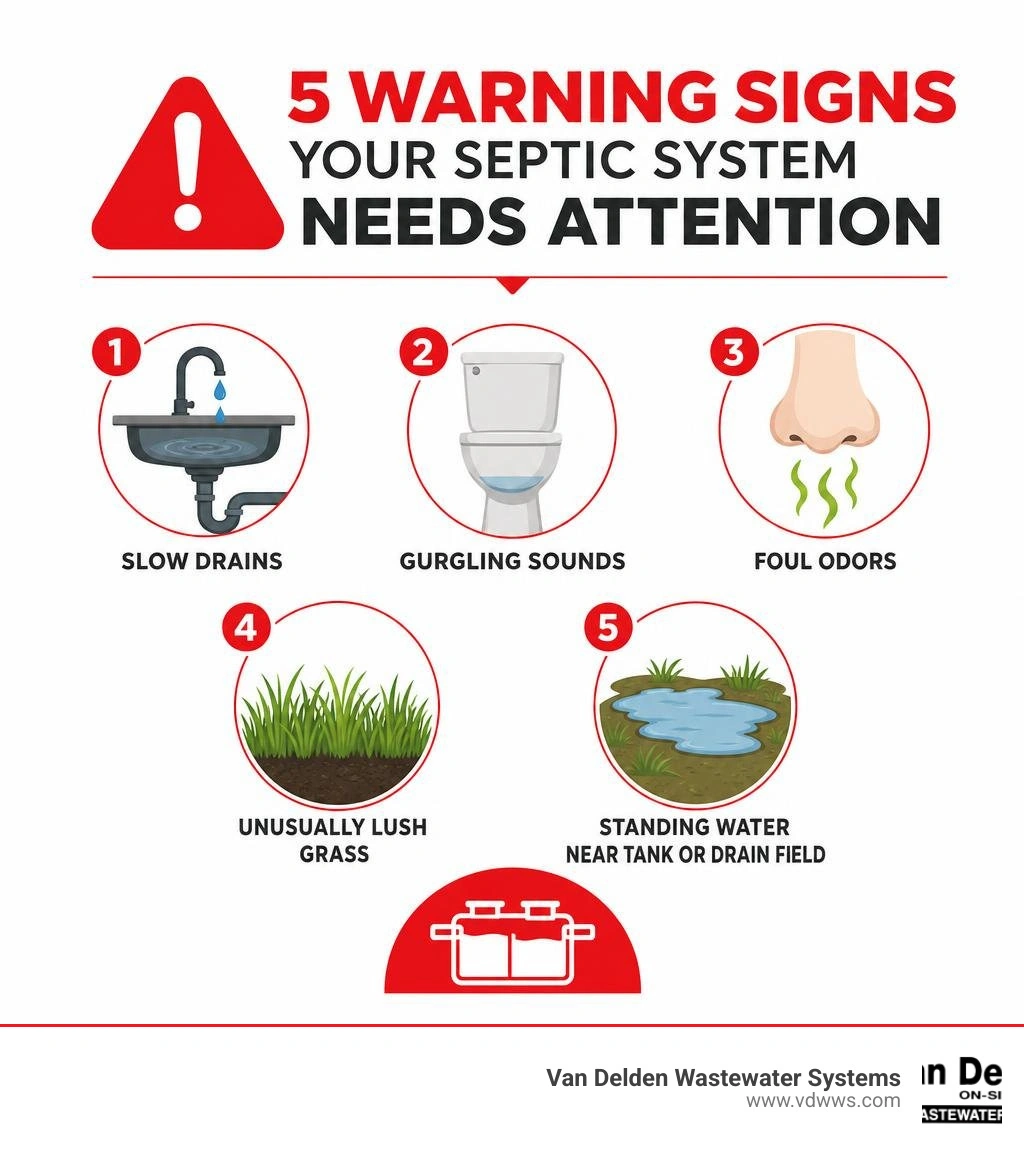
- Slow drains throughout the house — not just one fixture, but multiple
- Gurgling sounds from toilets, sinks, or tubs
- Sewage odors inside the home or near the drain field outside
- Lush, unusually green grass over the drain field area
- Standing water or soggy ground over the leach field
- Sewage backing up into drains, toilets, or floor drains
- High nitrate levels in your well water
Most septic systems don't fail overnight. Warning signs often appear months or even years before a full breakdown. By the time sewage is backing up into your home, the problem has usually been building quietly for a long time. Catching it early is the difference between a manageable repair and a costly emergency replacement.
At Van Delden Wastewater Systems, we've seen what happens when small warning signs get ignored — and we want to help you avoid that outcome.
1. Slow Drains and Gurgling Pipes Throughout the Home
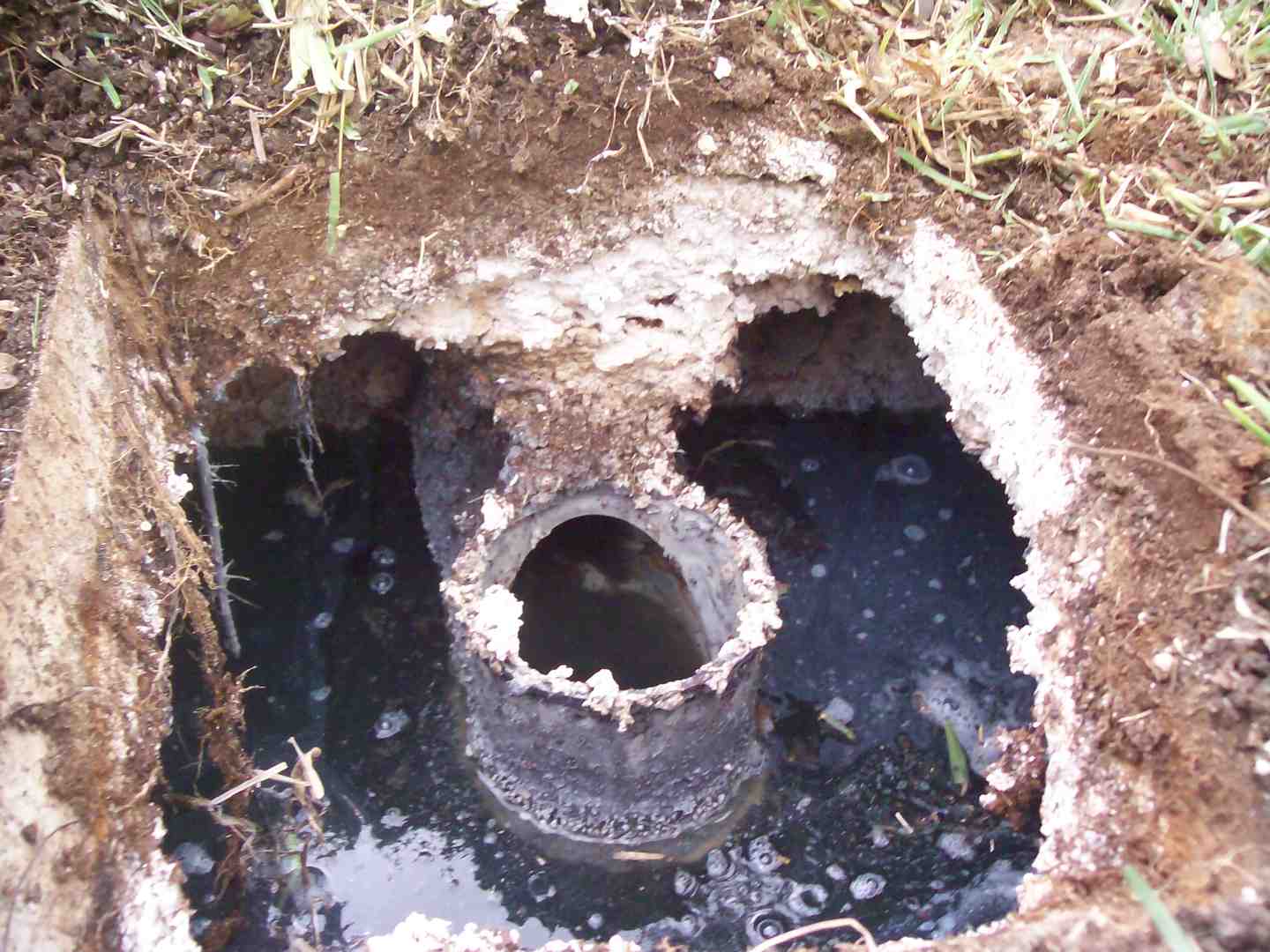
One slow bathroom sink usually points to a simple plumbing clog. Hair, soap scum, and toothpaste are repeat offenders.
But when the toilet flushes slowly, the shower starts holding water, and the kitchen sink joins the protest, that is different. Multiple slow fixtures at the same time are one of the clearest signs your septic system needs attention.
Why this happens:
- The septic tank may be overdue for pumping
- The outlet baffle or effluent filter may be blocked
- The drain field may be saturated and no longer accepting wastewater normally
- In aerobic systems, alarms or component problems may be affecting performance
Gurgling is another early clue homeowners often shrug off. That bubbling sound from a toilet or sink usually means air is being forced back through the plumbing because wastewater is not moving where it should. In plain English: your system is pushing back.
If you have an aerobic unit, alarm conditions can add another layer to the problem. If that sounds familiar, these resources may help you understand what you're hearing and seeing:
Recognizing Early Signs Your Septic System Needs Attention
Early symptoms often look minor:
- Toilets that need a second flush
- Tubs that drain slower than usual
- Sinks that burp or gurgle
- Water backing up briefly in a shower when the washing machine runs
The key question is whether the problem is isolated or happening across the house.
A basic rule:
- One fixture acting up = often a plumbing issue
- Several fixtures acting up = often a septic issue
That does not mean every multi-drain problem is automatically septic, but it does mean you should stop guessing and start checking. If you are wondering whether the tank may be near capacity, How Can I Tell If My Septic Tank Is Full is a helpful next read.
What to do right away:
- Reduce water use
- Postpone laundry and long showers
- Avoid chemical drain cleaners
- Watch whether symptoms appear in more than one fixture
- Schedule a professional inspection within 48 hours if the issue continues
2. Unpleasant Odors and Sewage Backups
A healthy septic system should not make your property smell like a sewer. If you notice a rotten egg or sewage smell indoors or outside near the tank or drain field, something is off.
Common odor causes include:
- A full or overloaded septic tank
- Drain field saturation
- Plumbing vent issues
- Damaged lids or riser seals
- Sewage sitting in pipes because it cannot flow properly
The odor itself often comes from gases such as hydrogen sulfide and methane. Besides being unpleasant, these gases are a sign that wastewater is not being contained and treated the way it should be.
Indoor smells are especially concerning if they show up:
- Near floor drains
- Around toilets
- In basements or utility rooms
- After doing laundry or running lots of water
Outdoor odors may become stronger after rain or during humid Texas weather because wet soil can limit airflow and make septic gases more noticeable. For a local odor-related guide, see Septic System Odor Guide Waring TX.
If bad smells are paired with slow drainage, your system may simply be overdue for service, but that is not something to leave to chance. You can also review Signs Your Septic Tank Should Be Pumped for related warning signs.
Critical Signs Your Septic System Needs Attention in Texas
Sewage backup is not an early warning sign. It is an emergency.
If raw sewage appears in:
- Toilets
- Tubs
- Showers
- Floor drains
- Sinks
you should act immediately.
What to do if sewage backs up:
- Stop using water in the house immediately.
- Keep children and pets away from the affected area.
- Avoid contact with raw sewage.
- Ventilate the area if it is safe to do so.
- Call a septic professional right away.
Raw sewage can carry bacteria, viruses, and other pathogens that create real health risks. Cleanup is not just unpleasant; it needs to be handled correctly.
If you are seeing obvious backup or heavy odor along with drainage problems, Top 3 Signs You Should Clean Your Septic Tank Right Now is another useful resource.
3. Lush Green Grass or Standing Water Over the Drain Field
Homeowners usually like green grass. The exception is when one patch of your yard looks suspiciously healthier than the rest in the middle of a Texas dry spell.
If the area over your drain field is extra green, soft, or fast-growing, it may be getting an unwanted fertilizer boost from wastewater. Septic effluent contains nutrients like nitrogen and phosphorus. When that moisture starts rising too close to the surface, the grass notices before you do.
Other red flags include:
- Wet or muddy spots over the drain field
- Spongy ground underfoot
- Standing water with no recent rain
- A sewage smell in the same area
These symptoms often mean the soil is too saturated to absorb and filter wastewater properly. In some cases, the tank is overdue for pumping. In others, the drain field may be stressed or beginning to fail.
This is especially important in parts of Texas where heavy clay soils can slow drainage. Clay does not absorb water as quickly as looser soils, so wastewater can linger, causing hydraulic stress and raising the risk of surfacing effluent.
What homeowners should not do:
- Do not drive over the area
- Do not dig into it yourself
- Do not let kids or pets play there
- Do not assume it will dry up and fix itself
What homeowners should do:
- Reduce household water use immediately
- Mark the wet area and keep traffic off it
- Take photos if conditions are changing
- Schedule a septic inspection promptly
If your tank has needed pumping more often than usual, that can be a warning sign too. Frequent pumping may relieve symptoms temporarily, but it does not repair a failing drain field. Learn more in Signs You Are Overdue For Septic Pumping.
4. Environmental Red Flags: Well Water and Algal Blooms
Some septic warning signs show up nowhere near a toilet.
If your home relies on well water, rising nitrate levels or coliform bacteria can point to wastewater contamination. That does not always mean the septic system is definitely the only cause, but it is serious enough to investigate right away.
This matters because nitrate contamination can be a health risk, especially for infants and pregnant women. Research has long linked high nitrate levels in drinking water with severe illness, including methemoglobinemia, sometimes called blue baby syndrome.
Possible environmental warning signs include:
- High nitrates in a water test
- Coliform bacteria in well water
- Algae growth in nearby ponds or water features
- Persistent soggy soil near the drain field
- Sewage odors outdoors
If you notice any of these:
- Stop drinking the well water until it is evaluated.
- Contact the appropriate local health or water authority if contamination is suspected.
- Schedule a septic inspection as soon as possible.
- Keep records of your water test results.
A failing septic system can release nutrient-rich wastewater into the soil, and those nutrients can eventually move into groundwater or nearby surface water. If you have a pond or drainage area near the system and start seeing unusual algae growth, that deserves attention too.
This kind of issue can also be connected to poor system habits, such as overloading the tank with water, flushing the wrong materials, or skipping maintenance. Signs You're Abusing Your Septic System explains some of the habits that shorten system life.
5. Professional Steps When Signs Your Septic System Needs Attention Appear
Once you notice one warning sign, pay attention. Once you notice two or more at the same time, it is time to call a professional.
Most septic failures develop gradually over a period of years. That is the frustrating part. The system often whispers before it screams. Unfortunately, homeowners are busy, toilets still sort of flush, and the yard just looks "a little wet." Then Thanksgiving arrives and the house decides to make a statement. We would rather help you before the holiday guests get involved.
Here is a simple comparison to help distinguish a likely plumbing clog from a possible septic problem:
| Symptom | More Likely Plumbing Issue | More Likely Septic Issue |
|---|
| One sink drains slowly | Yes | Less likely |
| One toilet clogs repeatedly | Yes | Possible, but not primary clue |
| Multiple fixtures drain slowly | Less likely | Yes |
| Gurgling in several drains | Less likely | Yes |
| Wet yard over drain field | No | Yes |
| Sewage backup in lowest drains | Possible | Yes |
| Odor near tank or drain field | No | Yes |
| Alarm on aerobic system | No | Yes |
A professional inspection may include:
- Measuring sludge and scum levels in the tank
- Checking inlet and outlet baffles
- Inspecting the effluent filter if your system has one
- Looking at the distribution box and lines
- Evaluating the drain field for saturation
- Reviewing alarm history on aerobic systems
- Checking for signs of leaks, root intrusion, or structural damage
That is why pumping alone is not always the full answer. Pumping is important maintenance, but if the drain field is already failing, it may only buy a little time. The right diagnosis matters.
For additional warning signs, see Septic Tank Warning Signs.
Troubleshooting Signs Your Septic System Needs Attention
There are a few basic things homeowners can do before service arrives, but these are temporary precautions, not DIY repairs.
Do:
- Cut back water use
- Delay laundry, dishwashing, and long showers
- Keep notes on which fixtures are affected
- Check whether your system has an alarm
- Keep people and pets away from wet or contaminated areas
Do not:
- Open the septic tank yourself
- Add random chemicals or additives as a fix
- Use harsh drain cleaners
- Dig around the tank or field
- Continue normal water use if sewage is backing up
If your alarm is active, start with What To Do When Septic Tank Alarm Goes Off.
When should you call a professional versus trying basic troubleshooting?
- Call within 48 to 72 hours for slow drains in multiple fixtures, recurring odors, or gurgling
- Call immediately for sewage backup, surfacing sewage, standing water over the drain field, or alarm conditions that do not clear quickly
- Call promptly if your well water test shows nitrates or bacteria
In short: if the problem affects the whole house, the yard, or your water supply, it has moved beyond plunger territory.
Frequently Asked Questions
How often should a septic tank be pumped and inspected?
In most homes, septic tanks should be pumped every 3 to 5 years, and inspected every 1 to 3 years. The right timing depends on:
- Household size
- Tank size
- Water usage
- Whether you have a garbage disposal
- System type, including aerobic equipment
Many homeowners in our Texas service area do best when they do not wait for symptoms. Regular maintenance is far easier on the system than emergency service after a backup.
As a general rule:
- Larger households usually need more frequent pumping
- Smaller households may be able to go a bit longer
- If you do not know the last pumping date, schedule an inspection
Why do septic systems fail more quickly in areas with clay soils?
Clay soils absorb water slowly. That can create hydraulic problems because the drain field depends on the soil to accept and treat wastewater.
When clay-heavy soil stays wet, several problems can happen:
- Effluent disperses more slowly
- The drain field stays saturated longer after rain
- Wastewater can rise closer to the surface
- The system becomes more vulnerable to overload during heavy household water use
This is one reason regional soil conditions matter. A system that might perform acceptably in more porous soil can struggle sooner in dense clay. In Texas, that means homeowners should be especially careful about water conservation, maintenance schedules, and prompt response to early warning signs.
Does homeowners insurance typically cover septic system failures?
Usually, standard homeowners insurance does not cover septic failure caused by age, wear and tear, neglect, or lack of maintenance. Those are commonly treated as homeowner responsibility.
In some cases, coverage may apply if there is a sudden, accidental event tied to a covered peril, but every policy is different. The safest approach is to:
- Review your policy language
- Ask your insurance carrier specific questions
- Keep maintenance and inspection records
- Address warning signs early instead of waiting for a major failure
Preventive care is still your best protection. Most septic systems can last 20 to 30 years with proper maintenance, but ignored warning signs can shorten that lifespan significantly.
Conclusion
Septic systems are easy to forget when everything is working. That is exactly why small problems become big ones. If you notice slow drains in multiple fixtures, gurgling pipes, sewage odors, soggy ground, unusually green grass, or water quality changes, do not wait for the situation to become a household horror story.
At Van Delden Wastewater Systems, we provide comprehensive septic solutions for homeowners throughout Boerne, Bulverde, Fair Oaks Ranch, Garden Ridge, Helotes, Timberwood Park, Hollywood Park, San Antonio, Shavano Park, and Spring Branch. As a family-owned company established in 1937, we believe in doing the job the right way with honest, background-checked, non-commissioned technicians who take time to educate our customers. We also provide detailed service forms and photo documentation, so you understand what is happening with your system.
If you are seeing signs your septic system needs attention, now is the time to act.
GET A FREE QUOTE NOW