What to Do When Your Septic System Backs Up
Septic system repairs backing up in waring tx can turn your peaceful Hill Country home into a nightmare fast. When wastewater starts flowing where it shouldn't, you need clear answers now—not after hours of research.
Quick Action Steps for a Septic Backup:
- Stop all water use immediately - No toilets, showers, laundry, or dishwashers
- Keep people and pets away from affected areas due to health hazards
- Call a licensed septic professional - Don't wait, as backups worsen quickly
- Avoid DIY fixes - Septic systems contain dangerous gases and bacteria
- Document the problem - Note when it started and what symptoms you're seeing
Common Warning Signs:
- Slow-draining sinks, tubs, or toilets
- Gurgling sounds from plumbing fixtures
- Foul sewage odors inside or outside your home
- Pooling water or soggy soil near your drainfield
- Sewage backing up into bathtubs or floor drains
A septic backup is a serious health risk that can contaminate your property and damage your home's foundation. The causes range from simple clogs to complete system failure, but most backups can be diagnosed and repaired quickly when you know what to look for and who to call.
For comprehensive guidance on septic issues, check out our complete guide to septic system repairs. If you're facing an urgent situation right now, contact Van Delden's emergency septic services for fast, honest help.
Understanding why your system is backing up is the first step to fixing it. The most common culprits in Waring include clogged pipes, full septic tanks, failing drainfields, and excessive water usage that overwhelms your system. Texas Hill Country soil conditions can also affect how well your drainfield performs.
When your septic system backs up, staying calm and taking immediate action can prevent further damage and reduce health risks for your family and home in Waring, TX.
First and foremost, stop all water usage immediately. This means no flushing toilets, running faucets, showering, or using the washing machine or dishwasher. Every drop of water you send down the drain adds to the problem because more water is entering the system than leaving it, which causes the backup.
Next, it's crucial to keep people and pets away from the affected area. Septic overflows and backups pose serious health risks due to harmful bacteria and pathogens. This isn't just about unpleasant smells; it's about preventing exposure to dangerous contaminants.
As soon as you notice a problem, contact a professional septic system repair service. Delay can turn a manageable issue into a larger, more expensive one. Prompt intervention prevents small problems from escalating into costly breakdowns. For guidance on handling urgent situations, our blog on addressing emergency septic repair scenarios offers valuable insights.
Unaddressed septic failures can cause sewage to back into structures, leading to significant damage. A leaking system can also contaminate soil and local water sources. Our team is equipped to handle these emergencies, providing fast, professional service to residents in Waring, Boerne, and surrounding areas.
Recognizing the Warning Signs
A septic system rarely fails overnight; it usually gives subtle warning signs. Recognizing these hints can save you trouble and expense. For homeowners in Waring, TX, vigilance is key to proactive maintenance.
One of the most common signs is slow-draining sinks, toilets, or bathtubs. If your drains are sluggish, it could mean a clog is forming or, more seriously, that your septic tank is full. This problem can escalate, leading to gurgling sounds from your plumbing as air struggles to escape past blockages.
Another unmistakable sign is foul odors. Unpleasant smells near your septic tank or drainfield are a strong indicator of septic problems. These odors might also permeate your home, signaling that wastewater isn't being properly contained.
Perhaps the most alarming sign is sewage backing up into your home. This can manifest as wastewater appearing in bathtubs, showers, or floor drains and requires immediate attention.
Lastly, pay attention to your lawn. Pooling water or soggy soil around the drainfield indicates the ground can no longer absorb effluent from your septic system. This often points to a failing drainfield, which can cause backups. Any damp spots or unusually lush, green patches in this area are red flags.
If you notice any of these warning signs, don't ignore them. Early detection is crucial. For more detailed troubleshooting tips, refer to our guide on troubleshooting septic tank repair problems.
Common Causes of Septic System Repairs Backing Up in Waring TX
Understanding why a septic system backs up is essential for repair and prevention. In Waring, TX, septic systems are vital but can have specific issues. These are the most frequent culprits behind septic system repairs backing up in waring tx.
The core problem is often an imbalance: more water enters the system than leaves it. This can result from clogged pipes, a full septic tank, a failing drainfield, or excessive water usage, all of which strain your system.
Clogged pipes are a common and often preventable cause. Over time, waste can build up, leading to blockages that prevent wastewater from flowing freely.
A full septic tank is another straightforward reason for backups. Septic tanks hold solids, allowing effluent to flow to the drainfield. If the tank isn't pumped regularly, solid waste accumulates, reducing its capacity and causing backups.
A failing drainfield (or leach field) is a more serious issue. It is responsible for dispersing wastewater into the soil. If it fails, it can no longer accept water, causing the septic tank to rise and back up.
Finally, excessive water usage can overwhelm a healthy septic system. A three-bedroom home is designed for about 450 gallons of water per day. Multiple loads of laundry, showers, and dishwashing can overload the system. For example, a leaking toilet flapper can add 2,000 gallons of water per day, and a malfunctioning water softener can add 3,000 gallons during its backwash cycle. These small issues can quickly overload your system.
For a deeper dive into the common problems and their solutions, explore our article on septic system issues and solutions.
Clogged Inlet or Outlet Pipes
Clogged pipes are a frequent cause of septic system repairs backing up in waring tx. These blockages can occur at various points, often due to everyday habits that harm your system.
The inlet pipe carries wastewater from your home to the septic tank. A clog here leads to immediate backups in your home's plumbing. This can be caused by:
- Non-biodegradable items: Flushing items like wet wipes, sanitary products, and cigarette butts can create a blockage. They don't break down and accumulate, forming stubborn clogs.
- Grease buildup: Pouring grease, fats, and oils down the drain allows them to cool and solidify in pipes, creating sticky obstructions.
- Inlet baffle issues: The inlet baffle directs wastewater into the tank. If it's missing or damaged, solids can pile up and clog the inlet pipe. Proper pipe pitch (1/4" per foot) is also crucial to prevent waste from pooling.
The outlet pipe carries effluent from the septic tank to the drainfield. A clog here means the tank fills up and will eventually back up into your home. Common causes include:
- Scum layer buildup: If the tank isn't pumped regularly, the floating scum layer (fats, oils) can grow thick and block the outlet pipe.
- Foreign materials: Non-biodegradable items can get caught in the outlet pipe or baffle.
- Outlet baffle clogs: The outlet baffle prevents scum and sludge from entering the drainfield. If it gets clogged, effluent can't escape.
Attempting to clear these blockages yourself is dangerous. Septic tanks contain deadly hydrogen sulfide gas. For this reason, we strongly advise against DIY repairs inside the septic tank. Our blog on septic repair and why it's not DIY elaborates on these risks.
Saturated or Failing Drainfield
A saturated or failing drainfield is a common, more complex cause of septic system repairs backing up in waring tx. As the final component, the drainfield disperses wastewater into the soil. When it fails, the entire system stops.
Several factors can lead to a drainfield's demise:
- Soil compaction: Driving or parking heavy vehicles over your drainfield compacts the soil, reducing its ability to absorb wastewater.
- Hydraulic overload: Excessive water usage can overwhelm the drainfield's capacity. If it receives more wastewater than it can process, it becomes saturated and causes a backup. This is relevant in areas like Waring, where soil types may have lower absorption rates.
- Root intrusion: Tree and shrub roots seeking moisture can infiltrate and crush distribution pipes, preventing effluent from spreading evenly and causing failure. We recommend planting only grass over your drainfield.
- Biomaterial buildup (bio-mat): Over time, a slimy biological layer called bio-mat can clog the soil pores in the drainfield trenches, reducing its ability to absorb effluent. This is often worsened by flushing grease or harsh chemicals.
When a drainfield fails, you may see pooling water or soggy spots in your yard. If water runs back into the tank from the drainfield during pumping, it's a clear sign of failure. Addressing a failing drainfield requires specialized knowledge. For more information, check out our insights on common septic drainfield problems.
The Professional Repair Process for a Backed-Up System
When you're facing septic system repairs backing up in waring tx, calling in the professionals is the smartest move. We understand the urgency and complexity of these situations. Our process is designed to accurately diagnose the problem, implement effective repairs, and restore your system's functionality with minimal disruption.
The repair journey typically begins with a thorough system inspection. Our licensed technicians will assess your entire septic system, from the pipes leaving your home to the septic tank and the drainfield. This is followed by a clear diagnosis, where we explain the issues we've found and outline the best solutions.
Often, the first step in resolving a backup is septic tank pumping. If the tank is full, pumping removes the accumulated solids and liquids, providing temporary relief and allowing us to better inspect the internal components.
For clogged pipes, we often employ line jetting (also known as water jetting or high-pressure cleaning). This method uses high-pressure water to effectively clear blockages and restore flow to your drain lines. In some cases, pipe snaking might be used for specific clogs.
If we identify issues with the inlet or outlet baffles, such as them being missing or broken, baffle repair or replacement is performed. These baffles are crucial for ensuring proper flow and preventing solids from entering the drainfield.
We also ensure all our work adheres to local regulations and code compliance in areas like Waring, Boerne, and throughout our service areas. Our team is well-versed in the necessary steps to get your system back in shape. For a comprehensive overview of the repair process, our guide to septic system repairs provides additional details.
Diagnosing the Cause of Septic System Repairs Backing Up in Waring TX
Accurately diagnosing the cause of septic system repairs backing up in waring tx is paramount. Without a precise understanding of the problem, any repair efforts might be temporary or ineffective. Our diagnostic process is thorough, combining visual inspection with advanced techniques.
We begin with a visual inspection of your property and system components. This includes checking for signs like pooling water, soggy spots, or foul odors around the septic tank and drainfield. Inside your home, we'll observe drain speeds and listen for gurgling sounds.
A critical step is a tank level check. We carefully open the septic tank (with extreme caution due to hazardous gases) to assess the water level. If the level is unusually high, it indicates that effluent isn't moving out of the tank effectively. We also check the condition of the scum and sludge layers.
During this inspection, we pay close attention to backflow from the drainfield. If, after pumping the tank, water runs back into it from the drainfield, it's a strong indicator that the drainfield is failing and cannot accept additional water. This helps us confirm if the issue lies in the absorption area.
For internal pipe issues, we may use pipe camera inspection. This involves inserting a specialized camera into your pipes to visually identify blockages, root intrusion, cracks, or improper pipe pitch or sags. This allows us to pinpoint the exact location and nature of the clog or damage, ensuring we address the root cause, not just the symptoms. This type of detailed inspection helps us understand the specifics of your system, whether it's a conventional or an aerobic system.
For more insights into diagnosis, refer to our Septic System Repair Boerne TX Guide, which covers similar diagnostic approaches applicable to the Waring area.
Common Repair Solutions
Once we've accurately diagnosed why your septic system is backing up in Waring, TX, we can implement the most effective repair solutions. Our goal is always to provide lasting fixes that restore your system's health and prevent future issues.
One of the most frequent solutions, especially for full tanks or those with excessive scum/sludge, is septic tank pumping. This process removes the accumulated solids and wastewater, immediately alleviating the pressure on your system. While pumping provides temporary relief, we always assess whether deeper issues, such as a failing drainfield or clogged pipes, are present.
For stubborn clogs in inlet or outlet pipes, we use high-pressure water jetting. This powerful method uses a focused stream of water to break apart and flush away blockages caused by grease, non-biodegradable items, or even light root intrusion. It's highly effective at restoring full flow to your plumbing lines. In some cases, traditional pipe snaking might be used for specific, localized clogs.
If our inspection reveals damaged or missing baffles within your septic tank, baffle replacement or repair is a crucial step. Properly functioning baffles are essential for directing wastewater flow, preventing solids from entering the drainfield, and ensuring the system operates as designed.
When the drainfield is the culprit, the solutions can range from minor interventions to significant repairs. If the drainfield is merely saturated due to hydraulic overload, reducing water usage and allowing it to rest can sometimes help. However, if it's suffering from severe bio-mat buildup, root intrusion, or soil compaction, more extensive drainfield repair may be necessary. This could involve specialized techniques to refresh the soil, address compaction, or even replace damaged sections. Our drain field repair complete guide offers comprehensive information on these solutions.
Our experienced technicians ensure that all repairs are performed using quality materials and industry best practices, giving you peace of mind that your septic system is in capable hands.
Preventing Future Backups with Regular Maintenance
The best way to avoid the stress and expense of septic system repairs backing up in waring tx is through consistent, proactive maintenance. Think of it like taking care of your car – regular oil changes prevent major engine trouble. Your septic system deserves the same attention.
A cornerstone of septic maintenance is a regular pumping schedule. Most septic tanks need to be pumped every 3-5 years, though this can vary based on household size, water usage, and tank capacity. Regular pumping prevents the accumulation of excessive solids, which can lead to a full tank and subsequent backups. Delaying pumping can worsen problems, as solids can then escape into the drainfield, causing irreversible damage. Our blog post, Why Delay Can Worsen a Septic Repair Problem, emphasizes this point.
Water conservation is another vital practice. Reducing the amount of water flowing into your septic system lowers the hydraulic load on both the tank and the drainfield. Fix leaky toilets and faucets promptly, spread out water-intensive tasks like laundry over several days, and consider installing water-saving fixtures. Every gallon saved helps your system process wastewater more efficiently.
Proper waste disposal is crucial. Avoid flushing non-biodegradable items such as wet wipes, paper towels, feminine hygiene products, and cigarette butts. These items do not break down and can quickly cause clogs in your pipes or septic tank. Additionally, refrain from pouring grease, cooking oils, or harsh chemicals (like excessive drain cleaners) down the drain, as they can disrupt the beneficial bacteria in your tank and contribute to clogs.
Finally, protecting the drainfield is non-negotiable. Never drive or park vehicles on your drainfield, as this compacts the soil and impairs its ability to absorb wastewater. Avoid planting trees or shrubs with extensive root systems near the drainfield, as their roots can infiltrate and damage the pipes. Maintain a healthy grass cover over the drainfield, as grass helps prevent erosion and absorbs excess moisture.
By adopting these maintenance habits, you can significantly extend the lifespan of your septic system and dramatically reduce the likelihood of experiencing a backup.
When to Consider Replacement Over Repair
While we always strive to repair your septic system, there comes a point when replacement becomes the more sensible and cost-effective option for homeowners in Waring, TX. Understanding when to make this significant decision can save you from repeated headaches and expenses. Our article, When Septic System Repairs May Mean Needing a Totally New System, digs deeper into this topic.
One major indicator is frequent backups. If your system is backing up repeatedly, despite regular pumping and minor repairs, it often signals a deeper, systemic problem that can no longer be patched up. These frequent failures can also lead to significant damage to your home and property.
Advanced system age is another critical factor. While a well-maintained septic system can last 20-30 years, older systems eventually wear out. Components degrade, pipes corrode, and the drainfield soil can become permanently clogged. If your system is nearing or past its typical lifespan and experiencing issues, replacement might be the most prudent long-term solution.
A collapsed tank is an undeniable reason for replacement. Septic tanks can collapse due to age, structural defects, or external pressure (e.g., heavy vehicles driving over them). A collapsed tank cannot function and must be replaced immediately. This is a severe safety hazard and necessitates professional intervention.
Finally, a failed drainfield that cannot be refreshd or repaired is a common trigger for full system replacement. As discussed, drainfields can fail due to compaction, hydraulic overload, root intrusion, or excessive bio-mat buildup. If diagnostic tests confirm that the soil absorption capacity is irrecoverable, or if the cost of repairing the drainfield is prohibitive, a new drainfield (or an entirely new system) will be required.
We will always provide an honest assessment of your system's condition, helping you weigh the costs and benefits of repair versus replacement to make the best decision for your home and budget.
How to handle septic system repairs backing up in Waring TX with an aerobic system
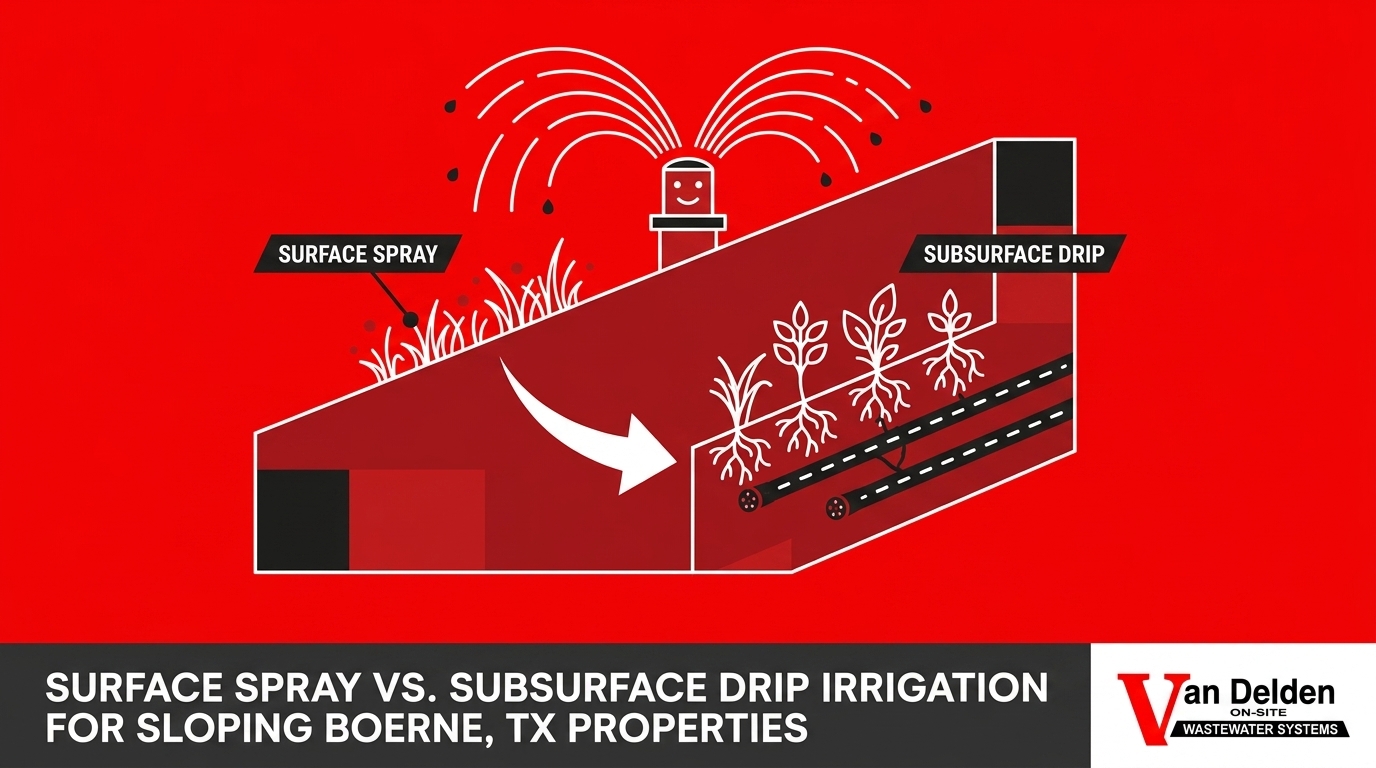
Aerobic septic systems, common in many areas of Texas, including Waring, operate differently from conventional systems and therefore have unique considerations when it comes to backups and repairs. These systems use an aerator to introduce oxygen into the wastewater, promoting bacterial growth that more thoroughly treats the effluent before it's dispersed. This advanced treatment often allows for smaller drainfields or surface irrigation.
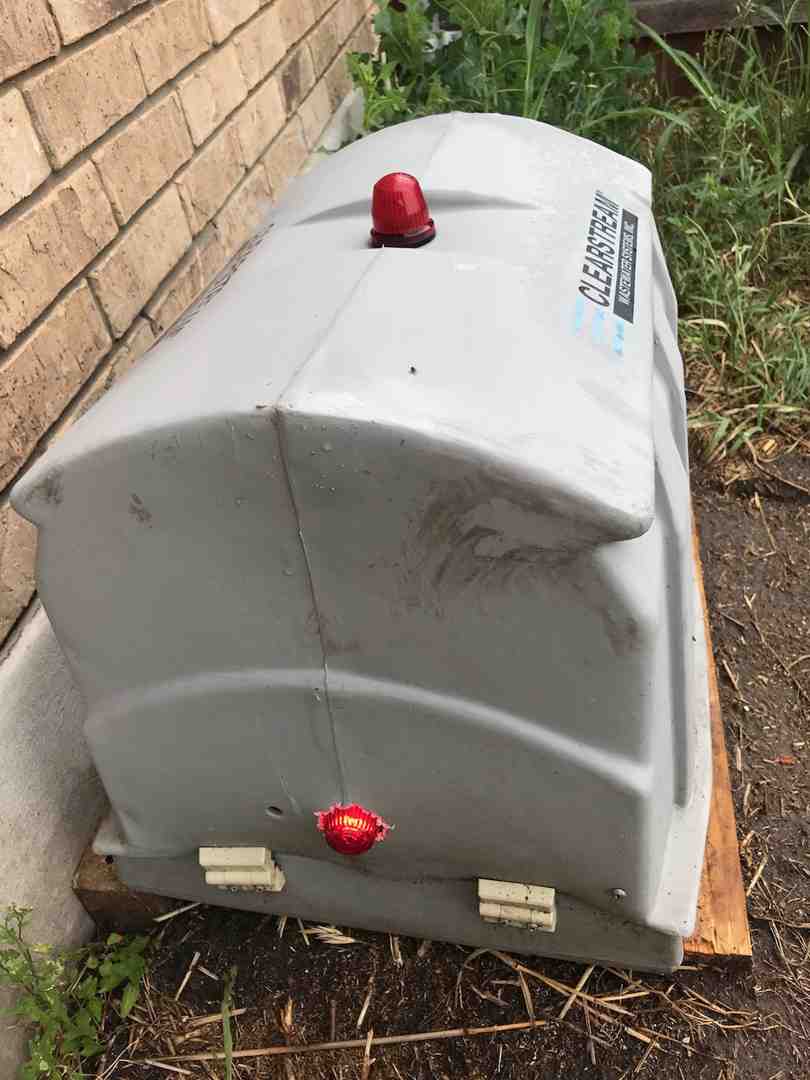
If you have an aerobic system and experience a backup, the first thing you might notice is the aerobic system alarm sounding. This alarm is a critical warning sign that something is wrong, whether it's a high water level, a pump malfunction, or a problem with the aerator itself. Never ignore this alarm; it's telling you your system needs attention.
Common issues leading to backups in aerobic systems include:
- Pump issues: Aerobic systems rely on pumps to move treated effluent from the treatment tank to the spray field or drip irrigation system. If the pump fails (due to electrical issues, clogs, or mechanical breakdown), effluent will accumulate in the pump tank, eventually causing a backup.
- Sprinkler head clogs: The treated wastewater is typically dispersed through sprinkler heads across a designated spray area. These heads can become clogged with debris, sediment, or even bio-mat, preventing proper dispersal and leading to pooling water in the spray field or backups.
- Chlorine tablets: Aerobic systems often use chlorine tablets for disinfection. If the chlorinator is empty or malfunctioning, it won't directly cause a backup into your home, but it means the effluent isn't being properly disinfected, posing environmental and health risks. An overflow due to a pump failure can then spread this untreated effluent.
When dealing with an aerobic system backup, cease water usage and call a professional who specializes in aerobic system repairs. Our technicians are experts in diagnosing and repairing these complex systems, addressing issues from pump failures to clogged lines and ensuring your system is functioning efficiently and safely. For more detailed information on maintaining and repairing these systems, consult our Aerobic System Repair Guide.
Your Trusted Partner for Septic Health in Waring
A septic backup is a stressful event, but understanding the causes and knowing the right steps to take can restore your peace of mind. By recognizing early warning signs, practicing preventative maintenance, and partnering with a reliable professional, you can protect your property and family. For expert help with your septic system, trust the experienced, licensed, and non-commissioned technicians at Van Delden Wastewater Systems to provide honest and effective solutions. Learn more about our septic services in the Boerne and Waring area.