Why a Septic Inspection Is the Most Important Step Before You Close
Do I need a septic inspection when buying a home? Yes — and skipping it is one of the most expensive mistakes a homebuyer can make. If the home you're buying uses a septic system instead of a municipal sewer connection, you are not just buying a house. You are taking on full ownership and financial responsibility for an underground wastewater treatment system the moment you close.
Here is a quick answer to the core question:
You need a septic inspection when buying a home if:
- The property uses a septic system rather than a city sewer
- You are financing with an FHA, VA, or conventional mortgage (most lenders require it)
- You want to verify the system's condition before liability transfers to you
- You want negotiating power if problems are found
- Your state or local jurisdiction legally requires it before transfer of ownership
Approximately 21% of U.S. households rely on on-site septic systems, and more than half of those systems were installed over 30 years ago. A failing system can cost anywhere from thousands of dollars to repair to well over $15,000 to fully replace — costs that fall entirely on you once you own the property.
The home may look perfect from the outside. But underneath the yard, a failing drain field or a cracked tank can be completely invisible without a professional evaluation. Gurgling pipes, unusually green grass patches over the drain field, slow-flushing toilets, or sewage odors during a property walkthrough are all warning signs that something may already be wrong.
A thorough pre-purchase septic inspection gives you the facts before you commit.

Do I Need a Septic Inspection When Buying a Home?
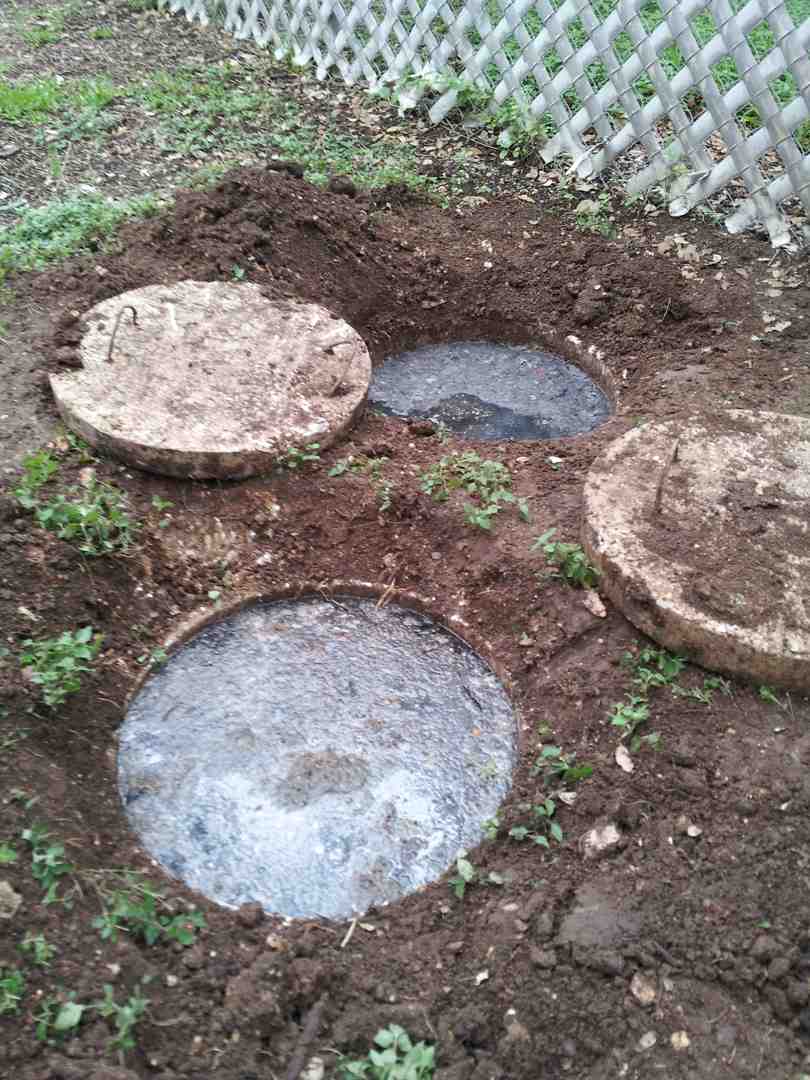
The excitement of finding your dream home in San Antonio or Boerne can sometimes lead to "tunnel vision." You check the roof, the HVAC, and the foundation, but the wastewater system often remains "out of sight, out of mind." However, as soon as that deed is signed, any hidden defects in the septic system become your financial burden. Unlike a municipal sewer where you pay a monthly fee for the city to handle repairs, a septic system is a private utility.
You should Dont Skip A Real Estate Inspection because the liability transfer is absolute. Once the sale is finalized, you have very little recourse if the system fails a month later. Beyond the financial aspect, Septic System Inspections In Real Estate are vital for environmental safety. A leaking tank or a saturated drain field can contaminate local groundwater, creating a health hazard for your family and neighbors.
Furthermore, most mortgage lenders, including those for FHA and VA loans, will not approve a loan on a property with a failed septic system. They view a non-functional system as a threat to the home's habitability and their investment. There are Buying A Home 3 Reasons To Get The Septic System Inspected that every buyer should consider: it ensures the home is sanitary, it prevents massive immediate expenses, and it provides a clear baseline for future maintenance.
Why do I need a septic inspection when buying a home in San Antonio?
In the San Antonio area, including Shavano Park and Hollywood Park, local soil conditions play a massive role in how septic systems function. Our region features a mix of rocky terrain and heavy clays that can impact drainage. There is a lot of Septic System Planning What To Know When Buying A Home in our area because "as-built" drawings may be old or non-existent for vintage properties. An inspection confirms that the system was installed correctly for the specific soil type on the lot and that it meets current regulatory standards.
How do I need a septic inspection when buying a home to protect my investment?
Think of an inspection as a tool for negotiation. If an inspector finds that the tank is cracked or the distribution box is leaning, you can ask the seller to make repairs or provide a credit at closing. It is a well-known fact in the industry that Full Septic System Inspections 400 Can Save You 30000 because catching a failing drain field early prevents you from buying into a $20,000 to $60,000 replacement project. When you ask, Should I Buy A Home With A Septic System, the answer is a confident "yes"—as long as you have a professional report in hand showing the system is healthy.
Understanding the Components of an On-Site Septic System
To understand why an inspection is so critical, you have to understand what’s happening beneath the surface. A standard septic system is a living, biological treatment plant. Wastewater leaves the home and enters a watertight septic tank. Here, anaerobic bacteria go to work. The solids sink to the bottom (the sludge layer), and fats, oils, and greases float to the top (the scum layer).
In the middle is a relatively clear layer of liquid called effluent. This effluent passes through an effluent filter (in modern systems) and moves toward the drain field. The Professional Septic Inspection checks that this separation is happening correctly. If the sludge layer gets too high, solids can flow out into the drain field, clogging the soil and causing the entire system to fail.
The drain field is the final stage of treatment. It consists of a series of perforated pipes or chambers buried in gravel-filled trenches. The soil beneath these trenches acts as a natural filter, removing harmful bacteria and viruses before the water returns to the groundwater. We cannot overstate the importance of septic inspections when buying or selling property because the drain field is the most expensive part of the system to replace. If the soil is "saturated" or the pipes are crushed, the system simply cannot process water.
Warning Signs of a Failing System During a Property Walkthrough
While you aren't a professional inspector, you can keep your eyes (and nose) open during a home tour. Some red flags are obvious, while others are subtle.
- The "Lush Green Strip": If you notice a patch of grass that is significantly greener or more "spongy" than the rest of the yard, it’s often a sign that the drain field is failing. The grass is being over-fertilized by wastewater that isn't percolating into the soil correctly.
- The Smell Test: A healthy septic system should not produce odors in the yard or the house. If you smell "rotten eggs" or raw sewage near the tank area or after running a load of laundry, the system is likely backing up.
- Plumbing Sounds: Gurgling sounds coming from the drains when you flush a toilet or run the sink are a classic sign of a full tank or a blockage in the main line.
- Slow Drains: If all the sinks and tubs in the house seem to drain slowly, it’s rarely just a simple clog; it’s often the septic system struggling to accept more water.
Before you put in an offer, What To Do Before You Buy A Home With A Septic System is to ask for pumping records. If the seller says they pump it every month, that’s actually a bad sign—it means the drain field isn't working, and they are using the tank as a temporary holding cell. Also, if you are Selling Your House Dont Pump Your Tank Yet until the inspector arrives, as they need to see the liquid levels at their "normal operating" state to check for leaks.
The Step-by-Step Process of a Professional Real Estate Evaluation
A real estate septic inspection is far more involved than a routine maintenance check. Because there is such a wide variety of septic real estate inspections, it is important to know what a "thorough" one looks like. At Van Delden Wastewater Systems, our non-commissioned technicians follow a rigorous protocol to ensure you get an honest assessment.
- Records Review: We start by looking at county permits and "as-built" maps to locate the tank and drain field.
- Visual and Sludge Inspection: We uncover the tank lids (which may require some digging if risers aren't installed) and measure the sludge and scum levels.
- Baffle Integrity: We check the inlet and outlet baffles. These are crucial components that prevent solids from leaving the tank. If a baffle is cracked or missing, the drain field is at risk.
- The Hydraulic Load Test: We introduce a specific volume of water into the system to see how the drain field handles the "stress." If the water level in the tank rises and doesn't go back down, the drain field is likely saturated.
- Camera Scoping: We often use high-definition sewer cameras to look inside the pipes leading from the house to the tank, and from the tank to the distribution box. This reveals roots, crushed pipes, or "bellies" in the line.
- Tank Pumping: A real estate inspection should always include pumping the tank. This is the only way to see the bottom and sides of the tank to check for structural cracks or groundwater seepage.
Knowing the right Questions To Ask When Hiring An Inspector For Real Estate Transaction can make all the difference. Ask if they use cameras, if they check the distribution box, and if they provide photo documentation. Follow these Quick Tips For Choosing A Septic Inspector: always choose an independent professional who doesn't have a financial incentive to "find" unnecessary repairs, but has the expertise to catch the real ones.
Frequently Asked Questions About Septic Due Diligence
Who typically pays for the septic inspection during a home sale?
In the San Antonio and Spring Branch areas, the buyer typically pays for the septic inspection as part of their due diligence, much like the general home inspection. However, everything is negotiable. In a buyer's market, you might ask the seller to cover the cost. Regardless of who pays, we recommend that the buyer selects the inspection company to ensure the report is unbiased. For more on this, see our guide on Septic Inspections Buying Or Selling Property.
While some home inspectors offer septic "dye tests," these are often insufficient for a real estate transaction. A dye test only tells you if the system is failing at that exact second in a way that surfaces on the ground. It doesn't tell you the condition of the tank, the sludge levels, or the remaining life of the drain field. You need a specialized professional with the right equipment. You can read more about why you Can My Home Inspector Perform My Septic Inspection (and why they usually shouldn't) on our blog.
How often should a septic system be inspected after I move in?
Once you've moved into your new home in Boerne or Bulverde, the work doesn't stop. Most systems should be inspected every 1 to 3 years and pumped every 3 to 5 years, depending on the size of your household. Regular maintenance is the only way to ensure system longevity. Keeping detailed records of every service call will also make the home much easier to sell when the time comes.
Conclusion
Buying a home with a septic system doesn't have to be a gamble. When you ask, "do i need a septic inspection when buying a home," you are really asking if you should protect your future from a $20,000 surprise. By following the proper due diligence, you can enjoy the benefits of rural or suburban living with total peace of mind.
Van Delden Wastewater Systems has been a staple of the South Texas community since 1937. As a family-owned business, we pride ourselves on honesty and education. Our technicians are non-commissioned, meaning they aren't trying to sell you a new system—they are there to give you the facts. We provide detailed service forms and photo documentation for every inspection, so you can see exactly what we see.
Whether you are looking at a property in Garden Ridge, Helotes, or Timberwood Park, our team is ready to help you make an informed decision. Don't leave your investment to chance.
Schedule your professional septic inspection with Van Delden Wastewater Systems today.