Your Septic Tank Has a Schedule — Are You Keeping Up With It?
How often should you pump your septic tank depends on your tank size and how many people live in your home — but for most households, the answer is every 3 to 5 years. That's the baseline the EPA recommends, and it holds true for the majority of the 21.7 million American households that rely on septic systems.
Here's a quick-reference breakdown before we dig into the details:
| Household Size | Tank Size | Recommended Pumping Frequency |
|---|
| 1-2 people | 1,000 gal | Every 5-6 years |
| 3-4 people | 1,000 gal | Every 2.5-4 years |
| 3-4 people | 1,500 gal | Every 4-5 years |
| 5+ people | 1,000 gal | Every 1-2 years |
| 5+ people | 1,500 gal | Every 2-3 years |
| 5+ people | 2,000 gal | Every 3-4 people |
But here's the thing most homeowners don't realize: your septic tank is always full of liquid. That's normal. What isn't normal — and what causes real damage — is when solid waste builds up faster than the natural bacteria inside your tank can break it down.
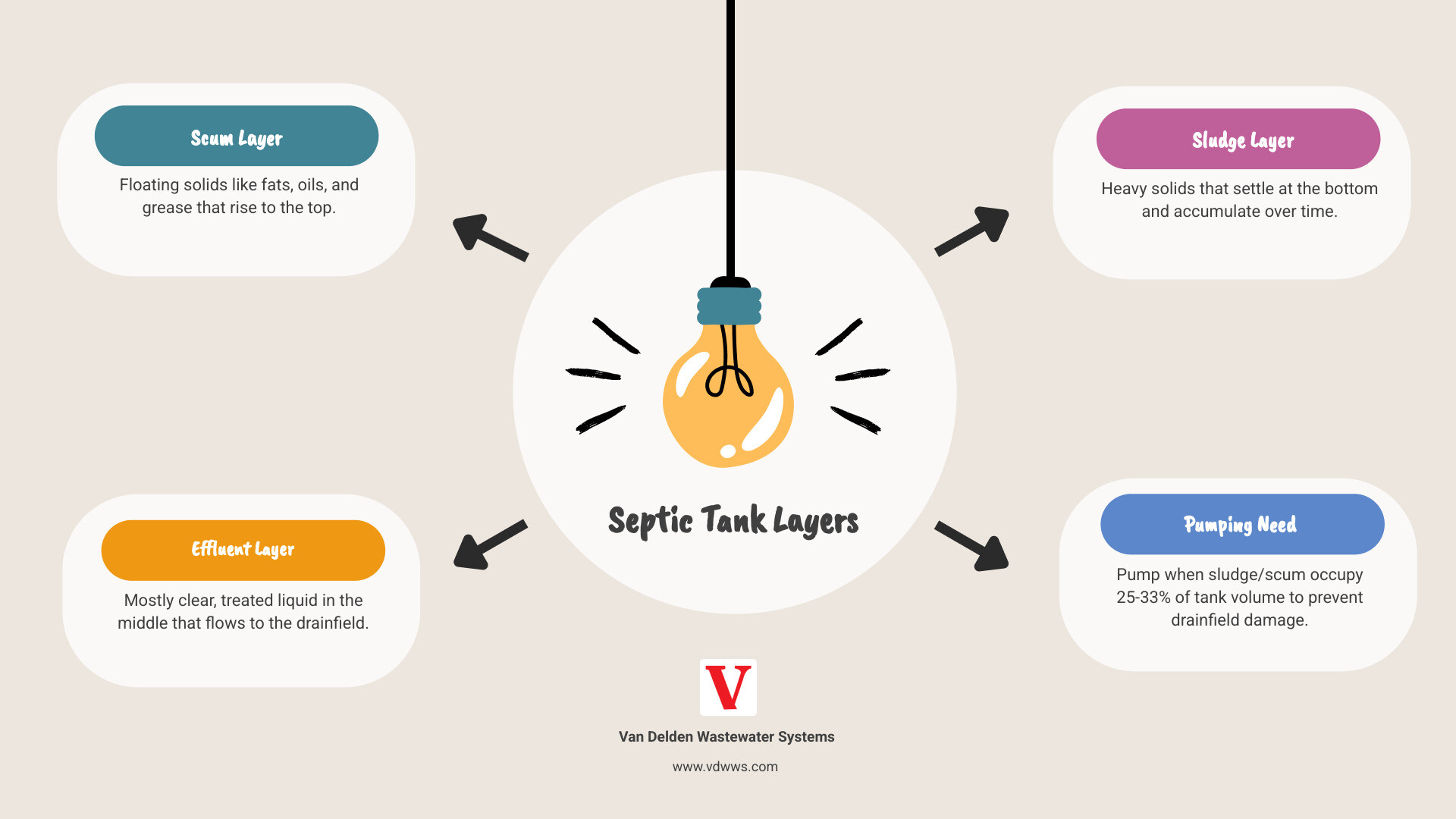
Your tank separates waste into three layers: a floating scum layer on top, a layer of treated liquid (effluent) in the middle, and heavy sludge that settles at the bottom. Over time, the sludge and scum layers grow. When they take up too much space, solid waste starts pushing into your drainfield — and that's when a routine maintenance call turns into a costly repair.
The good news? This is almost entirely preventable with a simple, consistent pumping schedule.
How Often Should You Pump Your Septic Tank?
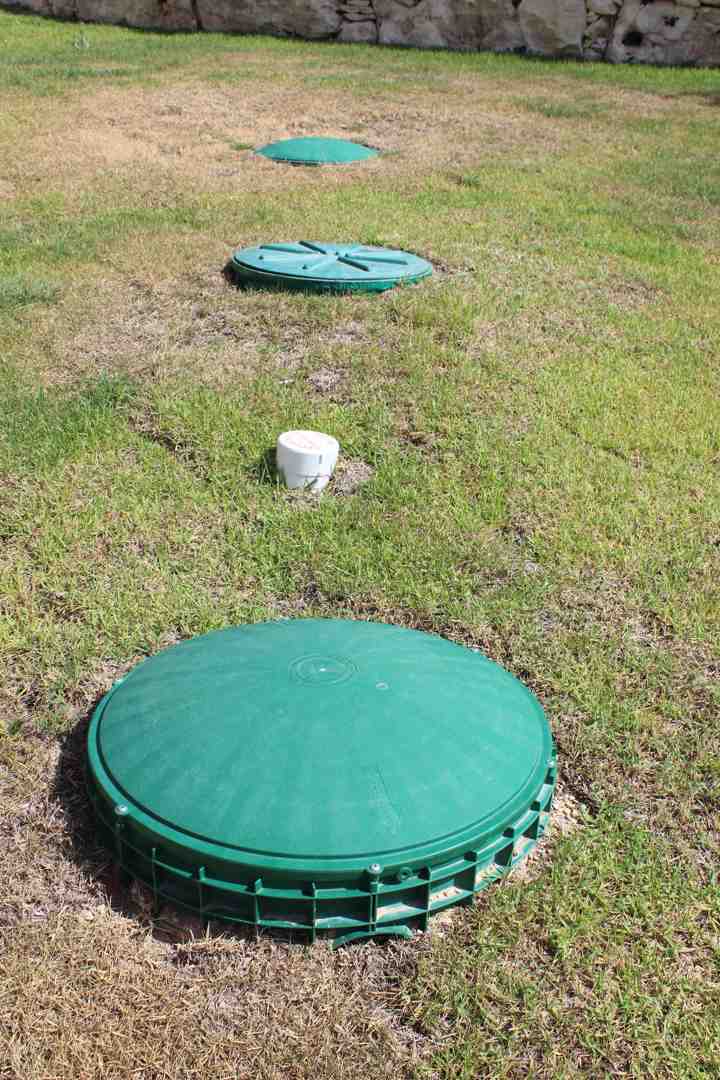
As we move through April 2026, many homeowners in areas like San Antonio and Boerne are looking at their backyards and wondering if this is the year they need to call in the professionals. The standard answer of "every 3 to 5 years" is a great starting point, but it isn't a "set it and forget it" rule.
The primary goal of pumping is to remove the accumulated solids before they reach a critical level. Think of your septic tank as a settling basin. It uses a process called anaerobic digestion, where beneficial bacteria eat away at the organic matter. However, these bacteria can’t digest everything. Things like inorganic fibers, plastics, and even excess organic matter eventually form a thick layer of sludge at the bottom.
If you wait too long, the sludge occupies so much volume that the wastewater (effluent) doesn't have enough time to settle. Instead of clear liquid flowing out to your drainfield, you start sending "dirty" water full of suspended solids into your soil. This is the leading cause of system failure. To keep your system healthy, you need to understand How Often Should My Septic Tank Be Cleaned based on your specific household variables.
The Pumping Interval Table
While every home is unique, the following table provides a more granular look at how tank capacity and occupancy interact to determine your schedule.
| Tank Size (Gallons) | 1 Person | 2 People | 3 People | 4 People | 5 People | 6 People |
|---|
| 1,000 | 12 years | 5.9 years | 3.7 years | 2.6 years | 2.0 years | 1.5 years |
| 1,250 | 15 years | 7.5 years | 4.8 years | 3.4 years | 2.6 years | 2.0 years |
| 1,500 | 18.9 years | 9.1 years | 5.9 years | 4.2 years | 3.3 years | 2.6 years |
| 2,000 | 25 years | 12.4 years | 8.0 years | 5.9 years | 4.5 years | 3.7 years |
Note: These are estimates. If you use a garbage disposal or have high water usage, these intervals should be shortened by approximately 30% to 50%.
Primary Factors Influencing Your Maintenance Schedule
When we visit homes in Spring Branch or Helotes, we often see two identical houses with the same size tank, yet one needs pumping every two years while the other can go five. Why the discrepancy? It comes down to two main things: how much water you use and what you put down the pipes. Understanding Why Should I Pump My Septic Tank involves looking at the total solids loading and the health of the bacterial colony inside.
Determining how often should you pump your septic tank based on household size
The number of people in your home is the single biggest predictor of how fast your tank will fill. In April 2026, the average person uses between 60 and 70 gallons of water per day indoors. If you have a family of four, that’s nearly 300 gallons of water entering the tank every single day.
Each gallon of water carries a tiny amount of organic matter. More people means more "solids loading." If you have a 1,000-gallon tank, a family of four will fill the sludge and scum layers significantly faster than a retired couple. This is why it’s critical to get a Faq Answered When Should I Pump My Septic Tank that accounts for your current living situation. If your college-aged kids move back home or you start hosting frequent long-term guests, your pumping frequency needs to increase immediately.
Why tank capacity dictates how often should you pump your septic tank
Size matters when it comes to "retention time." Retention time is the amount of time wastewater stays in the tank before it is pushed out into the drainfield. A larger tank (like a 1,500 or 2,000-gallon model) allows more time for the heavy solids to sink to the bottom and the light greases to float to the top.
In a smaller 1,000-gallon tank, the "settling zone" is much tighter. As sludge builds up, the retention time decreases. If the sludge layer gets too high, the incoming water creates turbulence that stirs up the bottom, sending those solids straight into your expensive drainfield pipes. Finding the Right Time To Pump Your Septic Tank is essentially a race to empty the tank before the sludge layer reaches the one-third mark of the tank's total depth.
Warning Signs That Your Septic Tank is Full
Ideally, you should never see a "sign" that your tank is full. If you are seeing symptoms, you are likely already in an emergency situation or facing potential system damage. However, life happens, and sometimes maintenance slips through the cracks. Knowing the Signs Your Septic Tank Should Be Pumped can save you from a total system collapse.
Common indicators include:
- Slow Drains and Gurgling: If your toilets are sluggish or your pipes make a "glug-glug" sound after you flush, the tank may be reaching capacity or a blockage is forming.
- The "Lush Green" Effect: While we all want a beautiful lawn, a patch of grass over your tank or drainfield that is significantly greener and faster-growing than the rest of the yard is a red flag. It means your lawn is "drinking" the nutrient-rich effluent that has surfaced.
- Sewage Odors: If you catch a whiff of rotten eggs (methane gas) in your yard or near your drains, your tank is likely overdue for service.
- Pooling Water: Standing water in the yard near the septic components, even when it hasn't rained, is One Sign Its Time To Pump Your Septic System that should never be ignored.
If you experience a wastewater backup in your lowest sinks or bathtubs, this is a "stop everything" moment. This usually indicates that the tank is completely full or the outlet pipe is clogged with solids. When effluent starts surfacing in the yard, it’s a sign of drainfield saturation. At this point, you aren't just looking at a pump-out; you’re looking at a potential health hazard. We recommend checking the Top 3 Signs You Should Clean Your Septic Tank Right Now if you suspect your system is on the verge of failure.
Habits That Impact Pumping Frequency
Your daily habits can either extend the life of your system or shorten your pumping interval by years. For example, using a garbage disposal is one of the "hardest" things you can do to a septic system. Garbage disposals increase the sludge buildup by 30% to 50% because they grind up food waste into tiny particles that take a long time to settle and are difficult for bacteria to break down.
Water usage also plays a huge role. If you run five loads of laundry on a Saturday morning, you are "surging" the tank. This massive influx of water can stir up the sludge and push it out to the drainfield. It’s much better to spread your laundry throughout the week. Additionally, water softeners that backwash into the septic system add extra volume and can sometimes interfere with the bacterial balance, though the volume of water is usually the bigger concern. Knowing When Is It Time For Septic Tank Pumping often depends on how well you manage these indoor habits.
What to avoid flushing to extend time between pumpings
To keep your system running smoothly between professional visits, you must be a strict "gatekeeper" of what goes down your drains. The only things that should be flushed are human waste and standard toilet paper.
Avoid flushing the following:
- "Flushable" Wipes: These are the biggest lie in the plumbing industry. They do not break down like toilet paper and will fill your tank or clog your baffles in record time.
- Grease, Fats, and Oils: These solidify in the tank and create a massive scum layer that is very difficult to pump out.
- Feminine Products and Diapers: These items are non-biodegradable and will simply sit in the tank, taking up valuable space.
- Chemical Cleaners: Excessive use of bleach or drain openers can kill the "good" bacteria that help digest waste.
Choosing the Best Times For Septic Tank Pumping is often easier when you haven't been taxing the system with these harmful items.
Frequently Asked Questions About Septic Pumping
How often to pump septic tank in Helotes?
In areas like Helotes, Timberwood Park, and Hollywood Park, we often deal with specific soil conditions and rocky terrain. Because many of these areas are over sensitive groundwater zones, regular maintenance is even more critical to prevent contamination. Generally, the 3-to-5-year rule applies, but because of the local topography, we recommend an inspection every 2 years to ensure the drainfield is handling the effluent properly. You can learn more about local specifics in our guide on How Often To Pump Septic Tank In Helotes.
Does using a garbage disposal mean I need more frequent service?
Yes, absolutely. If you use a garbage disposal daily, you should plan to pump your tank about once every 2 years instead of every 3 to 4. The organic loading is simply too high for a standard bacterial colony to keep up with. This is one of the 3 Frequently Asked Septic Pumping Questions we hear most often, and the answer is always the same: compost your food scraps instead of grinding them if you want to save money on septic maintenance.
Can I inspect the sludge levels myself?
While there are "sludge sticks" available for DIYers, we strongly advise against it. Opening a septic tank is dangerous due to the presence of toxic gases like methane and hydrogen sulfide. Furthermore, a professional doesn't just look at the level; we inspect the inlet and outlet baffles, check for cracks in the tank walls, and ensure the effluent filter is clean. A professional measurement ensures that you aren't pumping too early (wasting money) or too late (risking the drainfield).
Conclusion
Maintaining your septic system doesn't have to be a mystery. By understanding how often should you pump your septic tank and sticking to a schedule based on your household's actual needs, you can ensure your system lasts for decades rather than years.
At Van Delden Wastewater Systems, we’ve been helping families in San Antonio, Boerne, Bulverde, and the surrounding areas since 1937. We are a family-owned business that believes in education over sales. Our technicians are non-commissioned, meaning they won't try to sell you services you don't need. We provide detailed service forms and photo documentation so you can see exactly what’s happening inside your tank.
Don't wait for a backup to tell you it's time for maintenance. Schedule your expert septic tank pumping today and give your home the protection it deserves.