How Long Does a Septic System Last — And What It Means for Your Home
How long does a septic system last depends on several key factors, but here's a quick answer most homeowners need:
| Component | Typical Lifespan |
|---|
| Concrete septic tank | 40+ years |
| Plastic (HDPE) septic tank | 30-40 years |
| Fiberglass septic tank | 25-40 years |
| Steel septic tank | 15-20 years |
| Drainfield / leach field | 20-50+ years |
| Full system (average) | 20-40 years |
Your septic system is one of the most expensive and most overlooked parts of your home. Most homeowners never think about it — until something goes wrong. The EPA estimates a well-maintained system lasts between 20 and 30 years, but with the right care, many systems push well past 40. Neglect it, and you could be looking at a failing system in under 15 years.
The difference between a system that outlasts your mortgage and one that fails prematurely almost always comes down to maintenance, materials, and how the system is used day to day. This guide breaks down exactly what shapes your system's lifespan — and what you can do to protect it.
Understanding How Long Does a Septic System Last
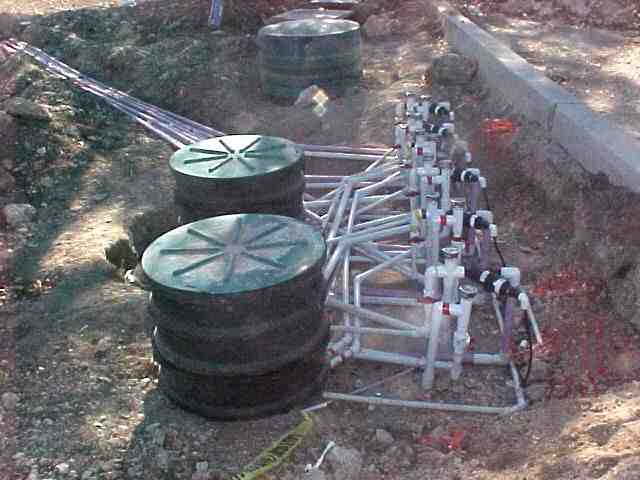
When we talk about the lifespan of a septic system, we are really talking about two different things: the physical durability of the hardware (the tank and pipes) and the functional capacity of the soil (the drainfield). While the average lifespan is often cited as 20 to 40 years, this is a broad range that accounts for everything from high-tech aerobic units to traditional gravity systems.
In areas like San Antonio and Boerne, TX, environmental factors play a massive role. The EPA estimates that a well-maintained system should comfortably reach the 30-year mark, but we often see systems that are much older. On the flip side, we’ve seen systems fail in less than a decade because of poor installation or complete neglect.
The "death" of a septic system usually happens in the drainfield. While a tank can be replaced relatively easily, a failed drainfield often requires a total system overhaul. Understanding the nuances of caring for older septic systems is vital if you live in one of our historic Hill Country communities where systems may have been in the ground since the 1970s or 80s.
Lifespan by Component and Material
A septic system isn't a single "unit"—it’s a collection of components working in harmony. Each part has its own expiration date based on what it's made of and what it’s subjected to. Determining traditional septic systems when to repair or replace starts with knowing exactly what is buried in your backyard.
How long does a septic system last based on tank material?
The material of your tank is the primary predictor of how long the "box" will stay intact. Here is how the different materials stack up as of April 2026:
| Material | Expected Lifespan | Pros/Cons |
|---|
| Concrete | 40 - 50+ Years | Extremely durable; heavy; susceptible to sulfuric acid corrosion over decades. |
| HDPE Plastic | 30 - 40 Years | Rust-proof; lightweight; can shift or "float" if not anchored in high water tables. |
| Fiberglass | 30 - 40 Years | Strong and chemical resistant; more expensive than plastic. |
| Steel | 15 - 20 Years | Prone to rust and corrosion; lids can become dangerously thin; rarely used in new installs. |
Concrete is the gold standard for durability. However, it isn't invincible. Over time, the bacteria in the tank produce hydrogen sulfide gas. When this gas mixes with water vapor, it forms sulfuric acid, which can slowly eat away at the concrete above the water line.
Steel tanks are the "ticking time bombs" of the septic world. If your home in Shavano Park or Fair Oaks Ranch still has an original steel tank from 20 years ago, it is likely nearing the end of its safe operational life. Baffles often rust out first, allowing solids to flow directly into your drainfield—a recipe for disaster.
How long does a septic system last with regular maintenance?
If there is a "secret sauce" to making a system last 50 years, it’s regular maintenance. We recommend pumping your tank every 3 to 5 years. Why? Because the tank's job is to act as a settling basin. Over time, the "sludge" (solids that sink) and "scum" (fats and oils that float) accumulate.
If you don't pump the tank, the space for liquid (effluent) shrinks. Eventually, the solids are pushed out into the drainfield. Once those solids clog the soil pores in your leach field, the system is functionally dead. Proactive homeowners who follow ways to extend your septic system life often find that the cost of regular pumping is a tiny fraction of the cost of a full replacement.
Factors That Influence Your System’s Longevity
In the Texas Hill Country, our geography is as beautiful as it is challenging for wastewater. Factors like soil type and household habits are often the "silent killers" of septic systems.
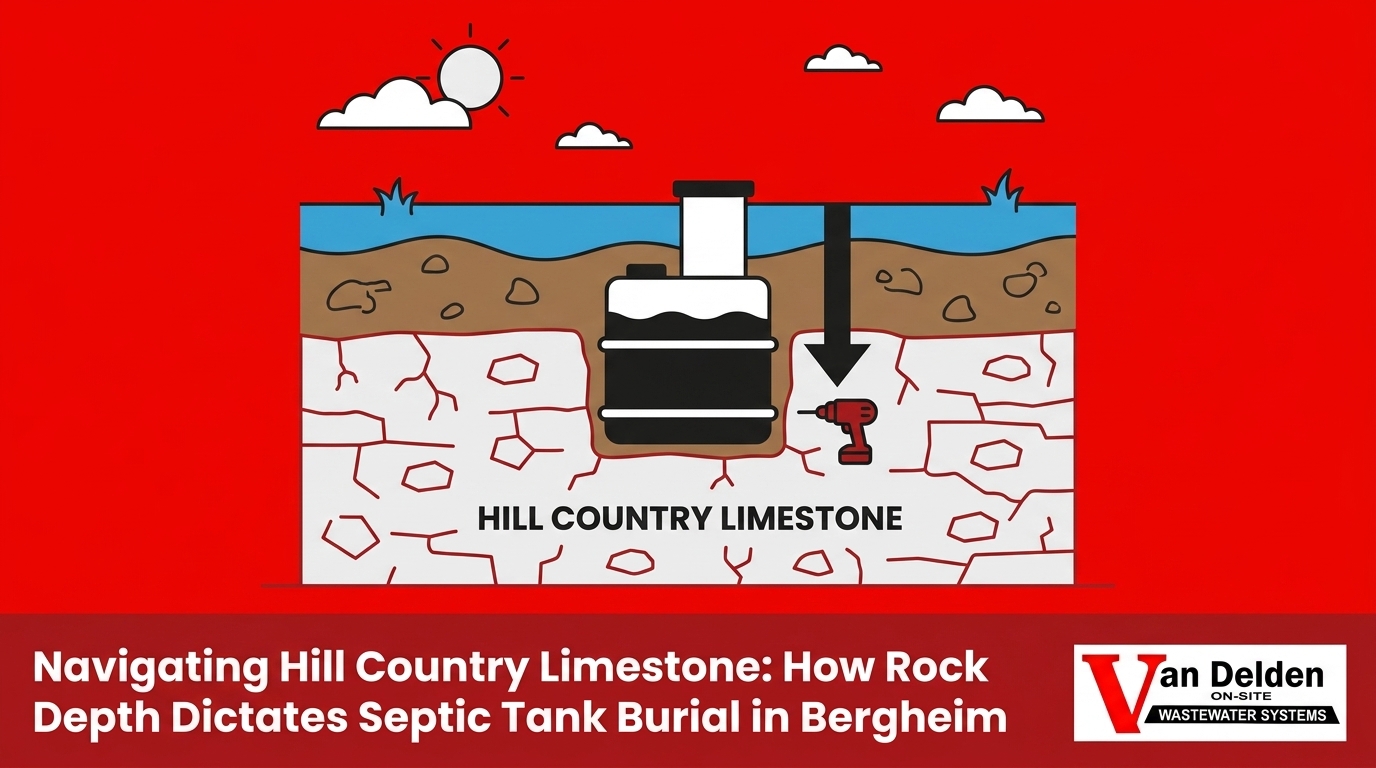
Soil Type and Quality: The soil is the final filter for your wastewater. Sandy soils are generally excellent for drainage, allowing effluent to percolate and be treated by soil microbes. However, many areas in Spring Branch or Bulverde have heavy clay or rocky limestone. Clay can become compacted, losing its ability to absorb water. If the soil can't take the water, the system backs up.
Hydraulic Loading: Think of your drainfield like a sponge. It can only hold so much water at once. If you run three loads of laundry, the dishwasher, and take two showers back-to-back, you are "hydraulically overloading" the system. This can stir up solids in the tank and push them into the drainfield. Constant overloading is the no 1 cause of septic system failure.
Impact of household usage and habits
Your daily habits are the steering wheel of your septic system's health.
- Occupancy Levels: A system designed for a three-bedroom home (usually sized for six people) will wear out much faster if ten people are living there.
- Garbage Disposals: We generally advise against them. They add a massive amount of organic solids to the tank, requiring much more frequent pumping.
- The "Killers": Harsh chemicals, bleach, and pesticides kill the beneficial bacteria that break down waste. Without these microbes, your tank is just a holding box for raw sewage.
- The "Cloggers": Flushable wipes (which aren't actually flushable), feminine hygiene products, and grease should never enter the system. Understanding what is septic system failure often starts with a look at what's being flushed down the toilet.
Recognizing the Signs of an Aging or Failing System
You don't always need a professional to tell you that your system is struggling. Your yard and your plumbing will usually give you a few "hints" before a total collapse occurs.
- The "Magic" Green Grass: If the grass over your drainfield is significantly greener and lusher than the rest of the yard, it’s not because you have a green thumb. It’s because the grass is being over-fertilized by surfacing effluent.
- The Gurgle: If your pipes gurgle when you flush or if drains are consistently slow, the system is struggling to move air and water.
- The Smell: A healthy septic system shouldn't smell. If you catch a whiff of rotten eggs (hydrogen sulfide) near the tank or drainfield, something is wrong.
- Standing Water: This is the "red alert" sign. If you see puddles forming over the drainfield when it hasn't rained, the soil has likely reached its absorption limit.
Identifying these top 3 signs its time to replace your septic system early can sometimes save you from a complete replacement if the issue is caught while it's still a "repairable" fix.
When to repair versus replace
This is the question every homeowner dreads. Generally, if the problem is mechanical—a broken pipe, a cracked baffle, or a failed pump—a repair is the way to go. However, if the soil in the drainfield is "clogged" by a thick layer of biomat (a slimy bacterial growth caused by poor maintenance), the field may be unrecoverable.
There are times when septic system repairs may mean needing a totally new system. For instance, if your tank is a 50-year-old concrete box that has lost its structural integrity, it’s often safer and more cost-effective in the long run to replace the whole thing. Before you commit to a major project, make sure you have what you need to know for a septic system replacement, including modern permitting requirements in your specific Texas county.
Frequently Asked Questions about Septic Lifespans
Can a septic system last 50 years?
Absolutely. We have seen systems in the San Antonio area that have been functioning perfectly since the 1970s. These systems almost always belong to homeowners who were meticulous about pumping every few years, conserved water, and kept trees (and their invasive roots) away from the drainfield.
Does a high water table shorten system life?
Yes. If the water table is high, the soil stays saturated. A drainfield needs "unsaturated" soil to properly treat wastewater. In areas with high water tables, systems can "flood" from the bottom up, leading to premature failure and potential groundwater contamination.
How often should I pump my tank in 2026?
The standard recommendation remains every 3 to 5 years for a typical family of four. However, if you use a garbage disposal or have a high-occupancy household, you should lean toward the 3-year mark. If you're a single person living in a large home, you might be able to push it to 5.
Conclusion
Your septic system is a long-term investment in your home’s health and value. While the question of how long does a septic system last has many variables, the answer is largely in your hands. By choosing durable materials like concrete, being mindful of what goes down your drains, and sticking to a professional maintenance schedule, you can ensure your system serves your family for decades.
At Van Delden Wastewater Systems, we’ve been helping Texas homeowners navigate these systems since 1937. Whether you are in Timberwood Park, Hollywood Park, or Garden Ridge, our non-commissioned technicians are here to provide honest assessments and professional septic solutions that help your system outlive your mortgage. Don't wait for a backup to think about your septic—give it the care it deserves today.