When Your Aerobic Septic System Alarm Sounds: What It Means and What to Do First
Aerobic system alarm what it means and what to do is something every homeowner with this type of system needs to understand before panic sets in. The short answer: your system detected either a high water level or a drop in air pressure, and it's alerting you so you can act before a small problem becomes a big one.
Here's what to do right now:
- Silence the buzzer - Press the mute button on your control panel to stop the noise. The warning light will stay on, and that's fine.
- Do NOT turn off the system - Your system needs to keep running to treat wastewater.
- Reduce water use - Stop laundry, limit showers, and avoid running the dishwasher.
- Check your circuit breaker - A tripped breaker is one of the most common and easiest fixes.
- Look for obvious signs - Standing water near the tank, soggy ground, or sprinklers not running all tell you something.
- Wait it out if rain or a power outage just happened - Give the system up to 24 hours to recover before calling for service.
- Call a professional if the alarm persists past 10-15 hours - That's your signal that something needs expert attention.
Think of your aerobic septic alarm like a check engine light. It doesn't always mean disaster, but it always means something needs your attention. These systems use oxygen-loving bacteria to treat wastewater, and they rely on an air pump running 24/7 plus a pump that moves treated water out to your spray field. When either of those processes gets disrupted, the alarm triggers.
The good news? Your system is designed to give you a buffer. In most cases, you have roughly 24 to 48 hours of normal usage before a backup becomes a real risk. That's time to troubleshoot calmly and get the right help.

Understanding the Lights: Red vs. Yellow Alarms
When you step outside to your control panel in April 2026, you might see one of two different lights flashing. Knowing what does my alarm activation mean starts with identifying the color. Most aerobic systems use a two-part monitoring system to track the health of your wastewater treatment.
| Alarm Color | Meaning | Primary Component Involved | Common Causes |
|---|
| Red | High Water Level | Float Switch & Pump | Heavy rain, pump failure, clogged sprinklers |
| Yellow/Amber | Aeration Failure | Air Pump (Compressor) | Broken diaphragm, clogged air filter, power loss |
An aerobic system alarm activation is triggered by sensors that act as the "eyes" of the system. Float switches monitor the physical height of the water in your pump tank, while pressure sensors monitor the PSI (pounds per square inch) coming from your air compressor. If the pressure drops below a certain threshold—usually around 1 PSI—the yellow light activates. If the water rises too high, the red light takes over. Understanding why a septic tank alarm is going off is the first step toward a calm resolution.
Deciphering the Red High Water Alarm
The red light is the most common reason for a septic tank alarm going off. It signals that the water in your final pump tank has risen above the "high water" float switch. This float is essentially a plastic ball that tilts upward as water rises. Once it hits a specific angle, it sends a signal to the panel to scream for help.
In our aerobic system alarm activation guide for Boerne, TX homeowners, we often find that this doesn't mean your tank is "full" in the traditional sense, but rather that the pump responsible for pushing water out to your sprinklers isn't doing its job fast enough.
Troubleshooting the Yellow Aeration Alarm
The yellow or amber light is specific to aerobic systems. Unlike conventional systems, aerobic units require a constant supply of oxygen to keep the "good" bacteria alive. If your air pump (often housed in a small "doghouse" near the tank) fails, the bacteria will die, and the treatment process stops. This aerobic system alarm activation often points to a worn-out diaphragm inside the air pump or a simple clogged air filter that is starving the machine of oxygen.
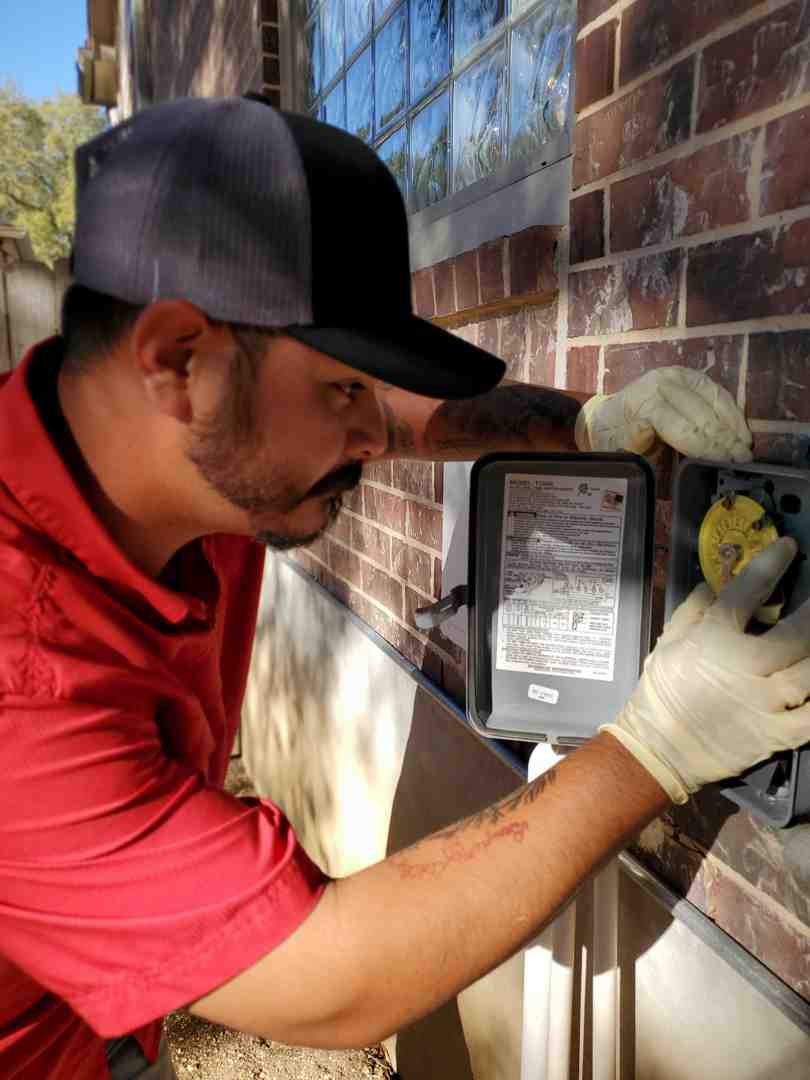
The moment you hear that piercing buzz, your heart might skip a beat. Whether you are in San Antonio or Timberwood Park, the initial septic system alarm troubleshooting steps are the same. Locate your control panel—usually mounted on the side of the house or a pedestal near the tanks—and find the "Mute" or "Silence" toggle. Flipping this switch will stop the noise but keep the light on as a reminder that the issue isn't fixed yet.
Once the noise is gone, your next priority is water conservation. Every gallon of water you send down the drain now is a gallon that the system might not be able to process. If you're wondering what to do when a septic tank alarm goes off, the answer is always: "Stop the laundry!"
Aerobic system alarm what it means and what to do during power outages
Power surges and outages are frequent in the Texas Hill Country. If your alarm sounds immediately after power is restored, it’s likely because the system was "off" while you were still using water, causing the levels to rise.
First, check your circuit breakers. Look for the breakers labeled "Aerobic," "Pump," or "Comp." If one has tripped to the middle position, flip it all the way to "Off" and then back to "On." If you're asking what do I do if my alarm is on after a storm, a simple reset of the breaker often solves the problem.
Aerobic system alarm what it means and what to do after heavy rain
Heavy rain in areas like Bulverde and Spring Branch can saturate the soil, making it impossible for your drainfield to absorb more water. This is a common cause of heavy rain aerobic system alarm activation. Groundwater can also seep into the tanks through lids or risers that aren't perfectly sealed.
If the alarm starts during a downpour, don't call for service immediately. Wait about 24 hours after the rain stops. Often, as the ground dries out, the pump will finally be able to push the water out, the levels will drop, and the alarm will clear itself. To understand more about why the rain makes my aerobic system alarm activate, consider that the system is simply overwhelmed by external water, not necessarily broken.
Common Causes of Alarm Activation in April 2026
As we move through 2026, we see several recurring themes in why these alarms trigger. While some are environmental, others are mechanical. If you've been searching for a 24-hour aerobic system alarm activation guide in Boerne, TX, you’ll find that the following are the "usual suspects":
- Submersible Pump Failure: The pump in your final tank has a lifespan. If it burns out, water has nowhere to go.
- Clogged Sprinkler Heads: If your aerobic system sprays treated water onto your lawn, a clogged head or a kinked line can prevent the pump from emptying the tank.
- Stuck Float Switches: Sometimes the float gets tangled on a pipe or becomes encrusted with debris, causing it to stay in the "up" position even if the water level is normal.
- Compressor Issues: The air pump's internal components, like the diaphragm, are wear-and-tear items that typically need replacement every few years.
For a deeper dive, check out our aerobic system alarm activation Boerne guide for localized troubleshooting tips.
The 12-Hour Service Window
One of the most important statistics to remember is the 12-hour window. If your high water alarm stays on for more than 10 to 15 hours despite you strictly limiting water use, it is time to call a professional. While the system has a 24-48 hour buffer before a backup occurs, waiting until the 47th hour leaves no room for a technician to arrive and fix the issue before sewage ends up in your shower.
Misconceptions: Alarms vs. Pumping
A common myth we hear in Shavano Park and Hollywood Park is that an alarm means the tank needs to be pumped. This is usually incorrect. A septic alarm is a mechanical warning, while pumping is maintenance for solids. Pumping a tank might silence a high water alarm for a few hours because it physically removes the water, but if the pump is broken, the tank will just fill up again in a day or two. Pumping is a temporary band-aid, not a fix for a mechanical failure.
Long-Term Maintenance to Prevent Alarms
Proactive care is the only way to avoid the stress of a midnight alarm. We recommend a few simple habits that can save you from an aerobic system alarm activation in the future.
Routine Pumping and Cleaning
Even though an alarm doesn't usually mean you must pump right now, regular pumping every three to five years is essential. This removes the sludge that can otherwise travel into your pump chamber and clog your expensive submersible pump or spray heads. In April 2026, we continue to see that systems on a regular 3-year cycle have significantly fewer emergency calls.
Protecting the Disposal Area
Your aerobic system's "exit" is just as important as the "entrance."
- Clean the effluent filter: If your system has one, it should be rinsed every six months.
- Check your chlorinator: Clogged chlorine tablets can block the flow of water.
- Manage runoff: Ensure that your gutters and landscape don't divert extra rainwater directly over your septic tanks.
- Protect the spray field: Never drive vehicles or heavy equipment over your tanks or the area where your sprinklers spray.
Frequently Asked Questions about Aerobic Septic Alarms
Can I still use my water if the alarm is sounding?
Yes, but very sparingly. You have a "reserve" capacity in the tank, but it is limited. Think of it as driving your car on "E"—you can get a few more miles, but you shouldn't plan a road trip. Avoid the "big three": laundry, baths, and dishwashers.
How do I reset my septic alarm after the light stays on?
There is no "reset" button that makes the problem go away. The alarm will only turn off when the sensor detects that the condition has returned to normal. For a red light, the water level must drop. For a yellow light, the air pressure must rise. Once the physical problem is fixed, the light will turn off on its own.
Does a red light always mean my pump is broken?
Not necessarily. It could be a tripped breaker, a clogged filter, or simply "overuse." If you had 10 guests over for the weekend and everyone took long showers, your system might just be playing catch-up.
Conclusion
At Van Delden Wastewater Systems, we know that a septic alarm can be intimidating. Since 1937, our family has been helping homeowners in Boerne, San Antonio, and the surrounding Texas Hill Country navigate these exact issues. We pride ourselves on our team of honest, non-commissioned technicians who are there to educate you, not just sell you a part.
When you call us, you’re getting expertise backed by nearly 90 years of local experience. We provide detailed service forms and photo documentation so you can see exactly what was wrong and how we fixed it. Whether it's a simple float adjustment or a full pump replacement, we are here to ensure your system runs smoothly for years to come.
Learn more about professional Aerobic System Maintenance and how our preventative care plans can help you avoid the alarm altogether. If your light is on and you've finished your troubleshooting, give us a call—we're ready to help.