Is an Aerobic Septic System Worth It? Here's What Homeowners Need to Know
Is an aerobic septic system worth it? For most homeowners, the answer depends on your property's soil conditions, lot size, and local regulations — but in many situations, it's not just worth it, it's the only system that will actually work.
Here's a quick breakdown to help you decide:
| Situation | Is Aerobic Worth It? |
|---|
| Poor soil percolation (clay, rocky ground) | Yes — often required |
| High water table | Yes — prevents groundwater contamination |
| Small or oddly shaped lot | Yes — needs 30-50% less drain field space |
| Near a lake, stream, or aquifer | Yes — removes 85-98% of contaminants |
| Large lot with good soil drainage | Conventional may be sufficient |
| Tight budget, suitable soil | Conventional is simpler and cheaper |
Aerobic septic systems work like miniature versions of a municipal wastewater treatment plant, right in your own backyard. Instead of relying on slow-acting anaerobic bacteria in an oxygen-free tank, they pump air into the treatment chamber to feed faster, more efficient aerobic bacteria. The result is dramatically cleaner effluent — and a system that can perform where conventional septic simply cannot.
For homeowners on challenging terrain like the Texas Hill Country's limestone bedrock, East Texas "red mud" clay, or any lot where a conventional drain field just won't fit, an aerobic system isn't a luxury upgrade. It's the solution that makes the property usable.
That said, aerobic systems do come with higher upfront costs, ongoing maintenance requirements, and a constant need for electricity. So understanding exactly what you're getting — and whether your property genuinely needs it — is critical before you invest.
How Aerobic Treatment Differs from Conventional Systems
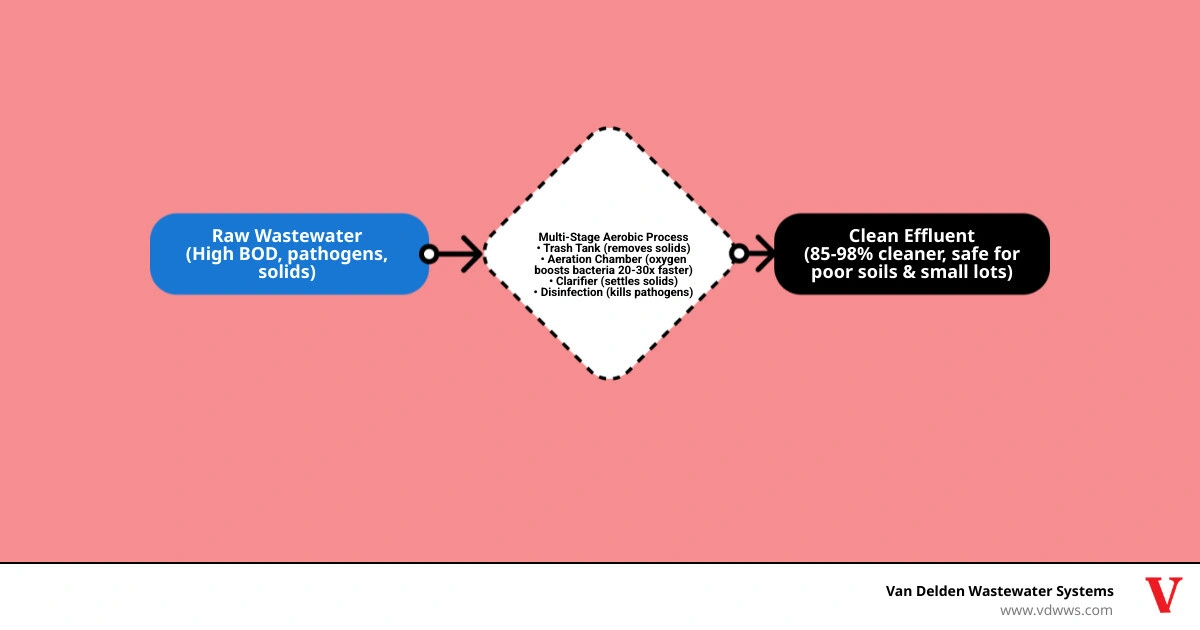
To understand if an aerobic system is the right choice for your home in San Antonio or Boerne, you first have to understand the "biological party" happening inside the tanks. Conventional septic systems are anaerobic, meaning they rely on bacteria that live without oxygen. These "slow-movers" take their time breaking down waste, and the liquid that leaves the tank still contains a significant amount of organic matter that the soil in your drain field must finish cleaning.
In contrast, How Aerobic Septic Systems Work involves a multi-stage process that uses forced air to supercharge the treatment. This turns the system into a high-speed digestion machine.
| Feature | Conventional (Anaerobic) | Aerobic Treatment Unit (ATU) |
|---|
| Bacteria Type | Anaerobic (No oxygen) | Aerobic (Oxygen-rich) |
| Treatment Speed | Slow | 20x to 30x faster |
| Effluent Quality | 60-80% contaminant removal | 85-98% contaminant removal |
| Components | Single or double tank, gravity lines | Trash tank, Aeration chamber, Clarifier, Disinfection |
| Power Needed | None (usually) | Constant electricity for aerator |
Understanding the septic system jargon defined standard vs aerobic systems helps clarify the four main stages of an aerobic unit:
- The Trash Tank: This is the first stop, where solids settle and grease floats to the top, much like a standard septic tank.
- The Aeration Chamber: This is where the magic happens. An air pump (aerator) bubbles oxygen into the wastewater, allowing aerobic bacteria to thrive and consume organic waste at incredible speeds.
- The Clarifier: A quiet zone where any remaining small solids settle back down to be re-processed.
- Disinfection: Before the water is dispersed (often through spray heads), it is treated with chlorine or UV light to kill remaining pathogens.
Why oxygen makes a difference in waste breakdown
Aerobic bacteria are the "power athletes" of the microscopic world. Because they have access to oxygen, they can break down waste 20 to 30 times faster than their anaerobic cousins. This efficiency significantly reduces the Biochemical Oxygen Demand (BOD) of the effluent.
When people ask are all aerobic septic systems the same, the answer lies in how they deliver that oxygen. Whether it’s a fixed-film system or a continuous flow design, the goal is the same: produce effluent that is so clean it won't clog up your soil or harm the local environment.
Is an aerobic septic system worth it for your property?
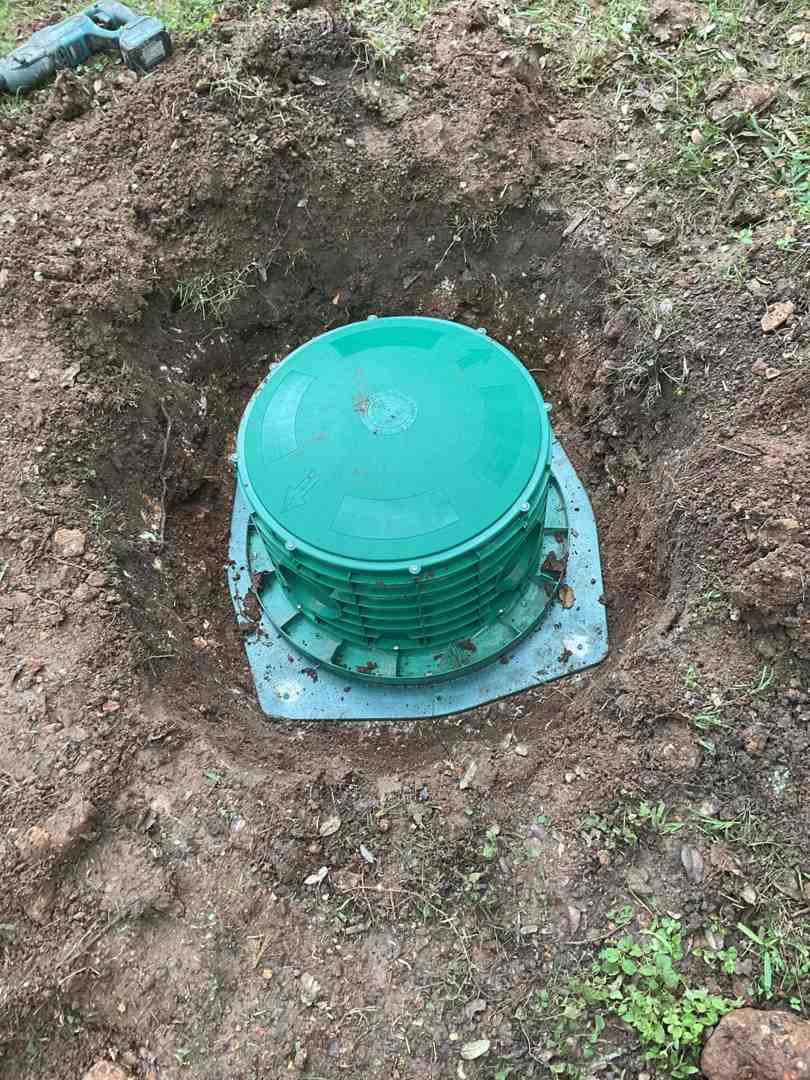
When we talk to homeowners in places like Bulverde or Fair Oaks Ranch, the question of whether a system is "worth it" is often answered by the land itself. If you are building on a lot that has failed a percolation (perc) test, an aerobic system isn't just an option—it's your ticket to getting a building permit.
Knowing when and why to replace a standard system with an aerobic system usually comes down to three factors: soil, space, and safety. If your backyard is essentially a solid slab of limestone or heavy "red mud" clay, a conventional system's drain field will eventually fail because the water has nowhere to go. An aerobic system treats the water to such a high level that it can often be distributed through surface irrigation (sprinklers), bypassing the need for deep, porous soil.
Deciding if an aerobic septic system is worth it for small lots
In many of the growing communities around San Antonio and Shavano Park, lot sizes are shrinking. A conventional anaerobic system requires a massive footprint for its drain field—often 600 to 1,200 square feet of dedicated, undisturbed land.
One of the 4 advantages of aerobic septic systems is a footprint reduction of 30% to 50%. Because the water leaving the tank is significantly cleaner, the "leach field" or dispersal area can be much smaller. This allows you to fit a high-functioning system on a small or oddly shaped lot where a conventional system would never meet local setback requirements. This versatility is a major reason why common septic systems aerobic system designs are becoming the standard for modern Texas developments.
Why an aerobic septic system is worth it for challenging soil
Texas is famous for its "Gumbo Clay" and the rugged limestone of the Hill Country. These conditions are a nightmare for standard septic drain fields. In clay, the water pools and creates a swampy mess. In limestone, the water can rush through cracks without being filtered, potentially contaminating the groundwater.
Aerobic systems are "soil-independent." Since the treatment happens inside the tanks, the soil's only job is to absorb the already-cleaned water. While there are some debunking myths all new septic systems must be aerobic—because conventional systems do still work in sandy, well-draining soil—the aerobic unit is the "gold standard" for the rocky or clay-heavy areas we service in Spring Branch and Helotes.
If you're an environmentally conscious homeowner, the aerobic septic system benefits guide highlights a clear winner. Conventional systems remove about 60-80% of contaminants. Aerobic systems, however, achieve a staggering 85-98% removal rate.
When comparing what's better conventional septic or aerobic, you have to look at what's being removed. Aerobic units are vastly superior at nitrogen reduction and pathogen removal. This makes them a safer choice for families who rely on well water or live near sensitive ecosystems.
Superior treatment for sensitive ecosystems
For properties located over the Edwards Aquifer recharge zone or near local lakes and streams, the high-quality effluent from an aerobic system is invaluable. It prevents nitrogen and harmful bacteria from leaching into the water supply. In many environmentally sensitive regions of Texas, state regulations (such as TCEQ 30 TAC Chapter 285) actually mandate these systems to protect our natural resources. Following a complete guide aerobic septic system approach ensures your home isn't just disposing of waste, but actively protecting the local water table.
Long-Term Maintenance and System Lifespan
We believe in being honest with our customers: an aerobic system is "high attention," not necessarily "high trouble." While a conventional system is "out of sight, out of mind" until it fails, an aerobic system requires a proactive approach.
Aerobic system maintenance is a mandatory part of ownership in Texas. Most counties require a service contract that includes inspections every four months. This ensures that the mechanical parts—the "heartbeat" of the system—are functioning correctly.
Key components have varying lifespans:
- Concrete or Plastic Tanks: 20 to 30+ years.
- Air Pumps/Compressors: 3 to 7 years.
- Submersible Pumps: 5 to 10 years.
- Spray Heads: 5 to 10 years.
Regular aerobic system service prevents small mechanical issues from turning into expensive system failures. We have experience with a wide variety of aerobic brands we service, which allows us to spot early warning signs during routine checks.
Ensuring reliability through professional care
To keep your system running for its full 30-year potential, a few simple habits make a world of difference:
- Refill Chlorine: If your system uses a chlorinator, you'll need to add septic-safe chlorine tablets (not pool tablets!) every few weeks.
- Clean the Air Filter: The aerator needs to breathe; a clogged filter can burn out the motor.
- Listen for the Alarm: If the red light stays on or the buzzer sounds, call us immediately.
- Professional Pumping: Even the most efficient bacteria can't eat everything. You'll still need to pump the trash tank every 3 to 5 years.
We often explain why we only install and service Clearstream aerobic systems because of their reliability and ease of maintenance, which helps keep long-term costs manageable for homeowners.
Frequently Asked Questions about Aerobic Systems
What happens to an aerobic system during a power outage?
Since the aerator runs on electricity, it will stop working during a blackout. For short outages (under 6 hours), the bacteria will be fine. During extended outages, the system essentially reverts to a less-efficient anaerobic state. We recommend minimizing water usage during power outages to avoid overloading the system while the "cleaning crew" is off-duty.
Do aerobic septic systems produce more odors than conventional ones?
Actually, it’s the opposite. Because aerobic bacteria break down waste so thoroughly and quickly, a well-maintained aerobic system should have almost no odor. If you notice a "rotten egg" smell, it’s usually a sign that the air pump has failed or the trash tank is overdue for a pumping.
Can I use standard household cleaners with an aerobic system?
Aerobic bacteria are generally more resilient than anaerobic ones, but they aren't invincible. You should avoid pouring large amounts of bleach, drain cleaners, or harsh chemicals down the drain. Stick to biodegradable, septic-safe cleaners to keep your bacterial colony healthy and hungry.
Conclusion
So, is an aerobic septic system worth it? If your property has thin soil, heavy clay, or limited space, the answer is a resounding yes. It provides a level of treatment that protects your family, your neighbors, and the Texas environment.
At Van Delden Wastewater Systems, we’ve been a family-owned business since 1937. Our goal isn't just to install a tank; it's to provide professional education and honest service. Our non-commissioned technicians are here to ensure your system remains a reliable, long-term investment for your "forever home" in the San Antonio area.
Ready to ensure your system is in top shape? Schedule your professional aerobic system service with us today.