Translating a Septic Inspection Report for Kendall County Homebuyers
Don't let technical septic jargon derail your late-summer closing. We break down which inspection findings are routine maintenance items and which are true dealbreakers.
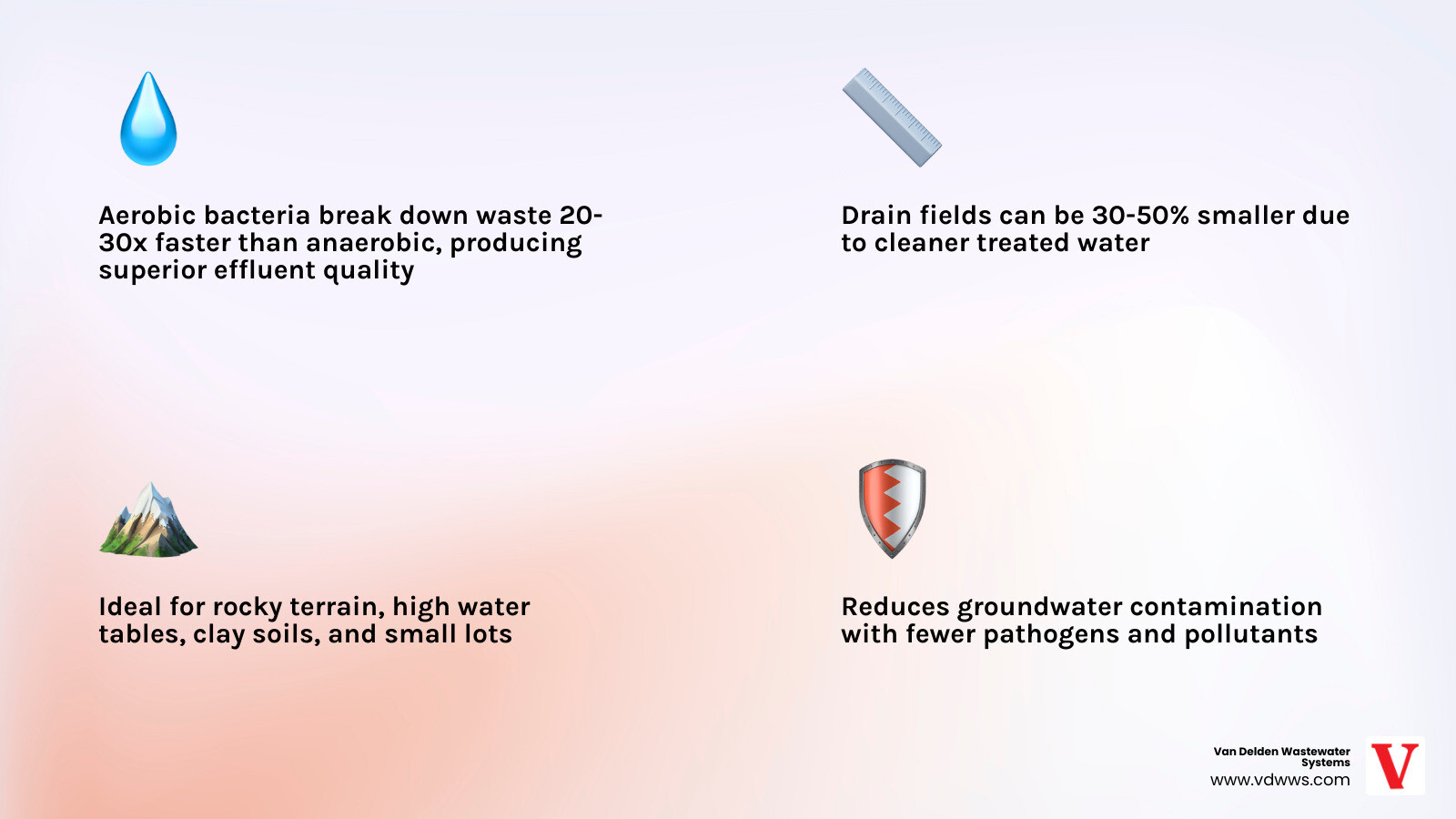
Aerobic septic system benefits explained simply: these systems use oxygen to power fast-acting bacteria that break down waste far more thoroughly than a conventional septic tank — producing cleaner effluent, requiring a smaller drain field, and working on sites where traditional systems simply cannot.
Here is a quick overview of the key benefits:
Not every property can support a conventional septic system. In many cases — particularly where soil conditions are poor or space is tight — an aerobic treatment unit is not just a better option, it is the only option that meets health and environmental standards. Understanding how these systems work and what they offer can help you make a confident, informed decision about your home's wastewater management.
When we talk about wastewater, the "magic" happens thanks to microscopic workers: bacteria. In a conventional system, anaerobic bacteria (which live without oxygen) do the heavy lifting. However, they are relatively slow eaters. In an aerobic system, we introduce a constant supply of oxygen, which invites aerobic bacteria to the party.
These oxygen-loving microbes are the star players of the wastewater world. As noted in our 4 Advantages of Aerobic Septic Systems guide, these bacteria consume organic matter at a rate 20 to 30 times faster than their anaerobic cousins. This speed doesn't just mean the waste is gone quicker; it means the treatment is far more thorough.
One of the most significant aerobic septic system benefits explained to homeowners is the quality of the water leaving the system, known as effluent. Because aerobic bacteria are so efficient, the water that exits the treatment unit is significantly cleaner than what comes out of a standard septic tank.
This high-quality effluent is a game-changer for environmental protection. By neutralizing more pathogens and reducing the organic load before the water ever touches the soil, we drastically lower the risk of groundwater contamination. For families in San Antonio or Spring Branch who rely on well water, this extra layer of protection is invaluable. You can learn more about these distinctions in our overview of the Common Septic Systems - Aerobic System.
In the Texas Hill Country, we aren't always blessed with deep, perfect soil. Many properties in Boerne and Bulverde sit on solid limestone or heavy "red mud" clay. Conventional systems rely on the soil to do the final 50% of the treatment. If the soil is too thin or too dense, the system fails.
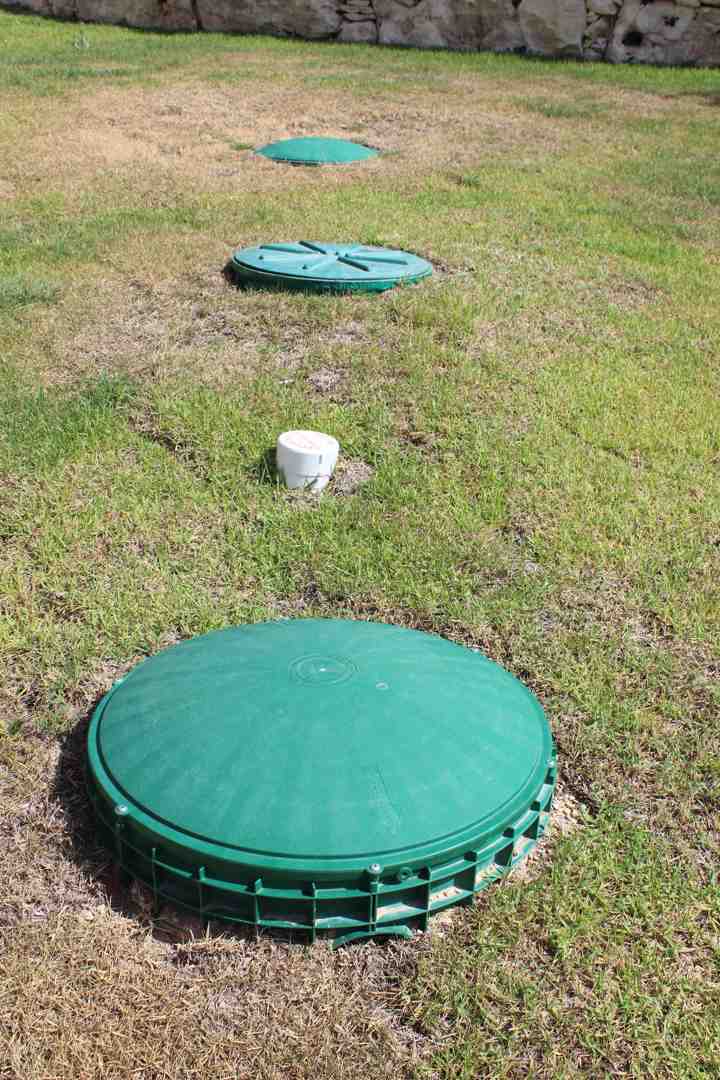
Aerobic systems solve this by doing almost all the treatment inside the tanks. This allows for versatile dispersal methods, such as surface irrigation via spray heads. Instead of a massive underground drain field, treated and disinfected water is distributed over the lawn. However, homeowners should be aware that these mechanical parts require attention; for instance, understanding Why Aerobic Spray Heads Get Clogged is a key part of owning one of these units.
| Feature | Conventional (Anaerobic) | Aerobic Treatment Unit (ATU) |
|---|---|---|
| Bacteria Type | Anaerobic (No Oxygen) | Aerobic (Oxygen-Rich) |
| Treatment Speed | Slow | 20x - 30x Faster |
| Effluent Quality | Moderate | High (Near Clear) |
| Drain Field Size | Large | 30-50% Smaller |
| Power Required | No | Yes (for Aerator/Pump) |
| Maintenance | Low (Pumping 3-5 years) | Higher (Annual Inspections) |
To appreciate the benefits, it helps to understand How Aerobic Septic Systems Work. Think of an ATU as a miniature version of a municipal sewage treatment plant sitting in your backyard. The process typically moves through several distinct stages:
By the time the water reaches the final stage, it is clear and odorless. This process is further detailed in our guide, Aerobic Systems Decoded.
We often get asked, "What's Better: Conventional Septic or Aerobic?" The answer usually depends on your land. As of April 2026, regulations in many Texas counties have become stricter regarding soil suitability.
Aerobic systems are the gold standard for:
A common myth is that aerobic systems are "high trouble." In reality, they are simply "high attention." Because they have mechanical parts like air compressors and pumps, they require more frequent check-ups than a passive concrete box.
With proper care, an aerobic system can last 20 to 30 years—often outlasting conventional systems because the cleaner effluent prevents the drain field from "clogging" with organic biomat. For our neighbors, we provide a specialized Aerobic System Maintenance Boerne TX Guide to help navigate these requirements.
Standard maintenance includes:
One of the best aerobic septic system benefits explained to new owners is the "brain" of the system—the control panel. Unlike conventional systems that might fail silently until sewage backs up into your tub, aerobic systems have alarms.
If you hear a buzzer or see a red light on your control panel, it’s doing its job by telling you something is wrong. Common Signs Your Aerobic System Needs Maintenance include the alarm sounding after a heavy rain or if the air pump stops vibrating. Quick action can prevent a minor electrical fix from turning into a major repair. Routine Aerobic System Maintenance is the best way to keep these alarms from ever going off.
With a consistent maintenance schedule, the structural tanks can last 30 years or more. The mechanical components, such as the air compressor and discharge pump, typically have a lifespan of 3 to 7 years and are designed to be easily replaced without digging up the entire system.
Yes, significantly. They are much more effective at nitrogen reduction and pathogen removal. By the time the water is dispersed, it has undergone a level of treatment that a conventional tank simply cannot achieve, making it much safer for local ecosystems and groundwater.
Yes. The aerobic bacteria require a constant supply of oxygen to survive. If the power goes out or the aerator fails, the system will eventually revert to an anaerobic state, which can lead to odors and lower treatment quality. Most air pumps draw about 40 to 100 watts (roughly the same as a couple of old-fashioned lightbulbs), adding a modest amount to your monthly electric bill.
Choosing the right wastewater solution is about more than just following regulations; it’s about protecting your property and the environment for the next generation. At Van Delden Wastewater Systems, we’ve been helping families in San Antonio, Boerne, and the surrounding areas since 1937. As a family-owned business, we pride ourselves on providing honest, quality work performed by non-commissioned technicians who take the time to educate you about your system.
Whether you need a new installation or specialized Aerobic System Maintenance, we provide detailed documentation and photo evidence of every service, so you can rest easy knowing your system is in top shape. If you have questions about which system is right for your "forever home," we are here to help.

Peter was personable, professional and thorough. Highly recommend Van Delden. You might be able to find a cheaper company but not better!
On time. 100% professional, knowledgeable, and courteous. Very helpful and straightforward. That is the bar all businesses should strive for.
It has been a pleasure working with your company. Not only did y’all communicate very well but your workers were always polite! Thank you!
“I thank Van Delden for such prompt service. Honest people are hard to come by these days. I will certainly recommend Van Delden to anyone! Jesse is an upstanding young man and very nice to talk to. I thank everyone at Van Delden for taking such good care of me.”
This is just a note to thank you for explaining the problem with my system. You didn’t have to be so kind and I appreciate your good business ethics and time spent. In the future you will have mine in return!