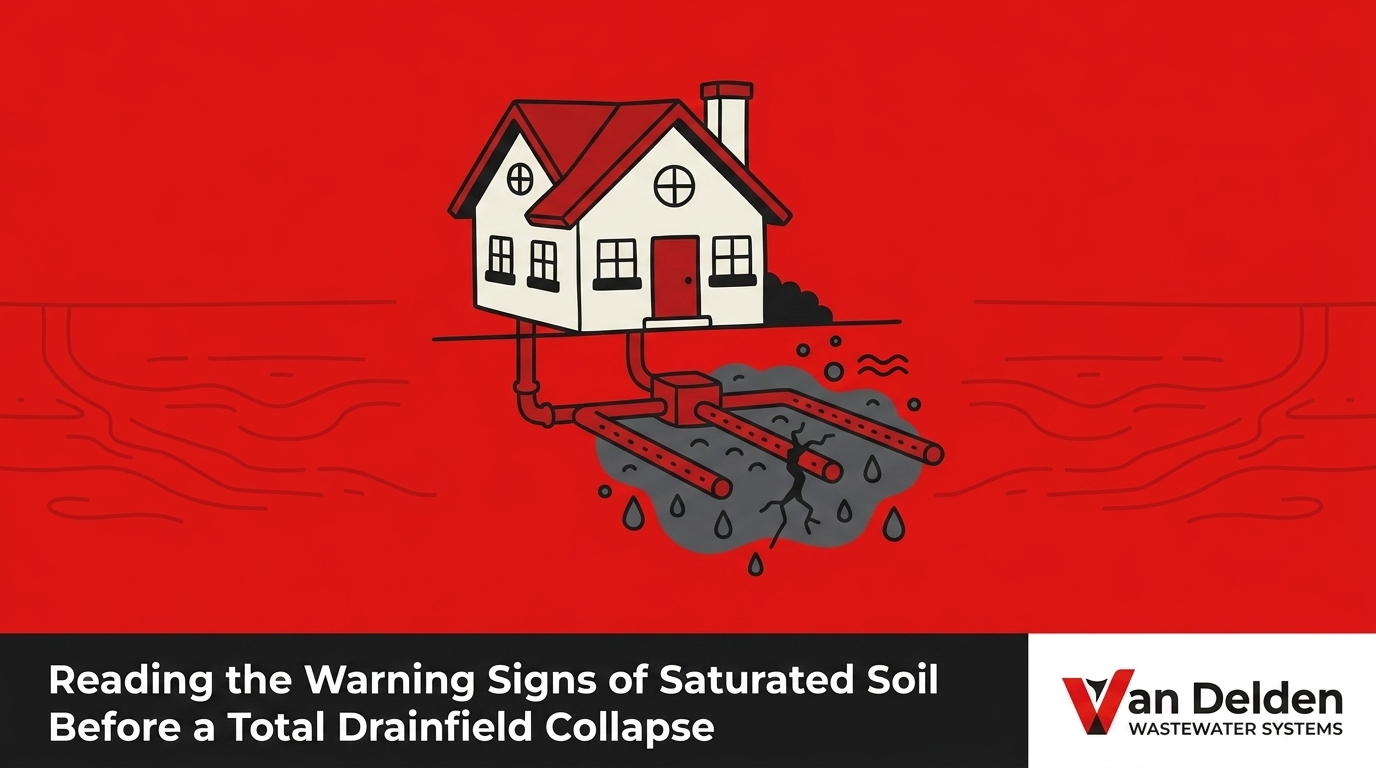
Why Septic System Installation Maintenance in Waring, TX Deserves Your Attention
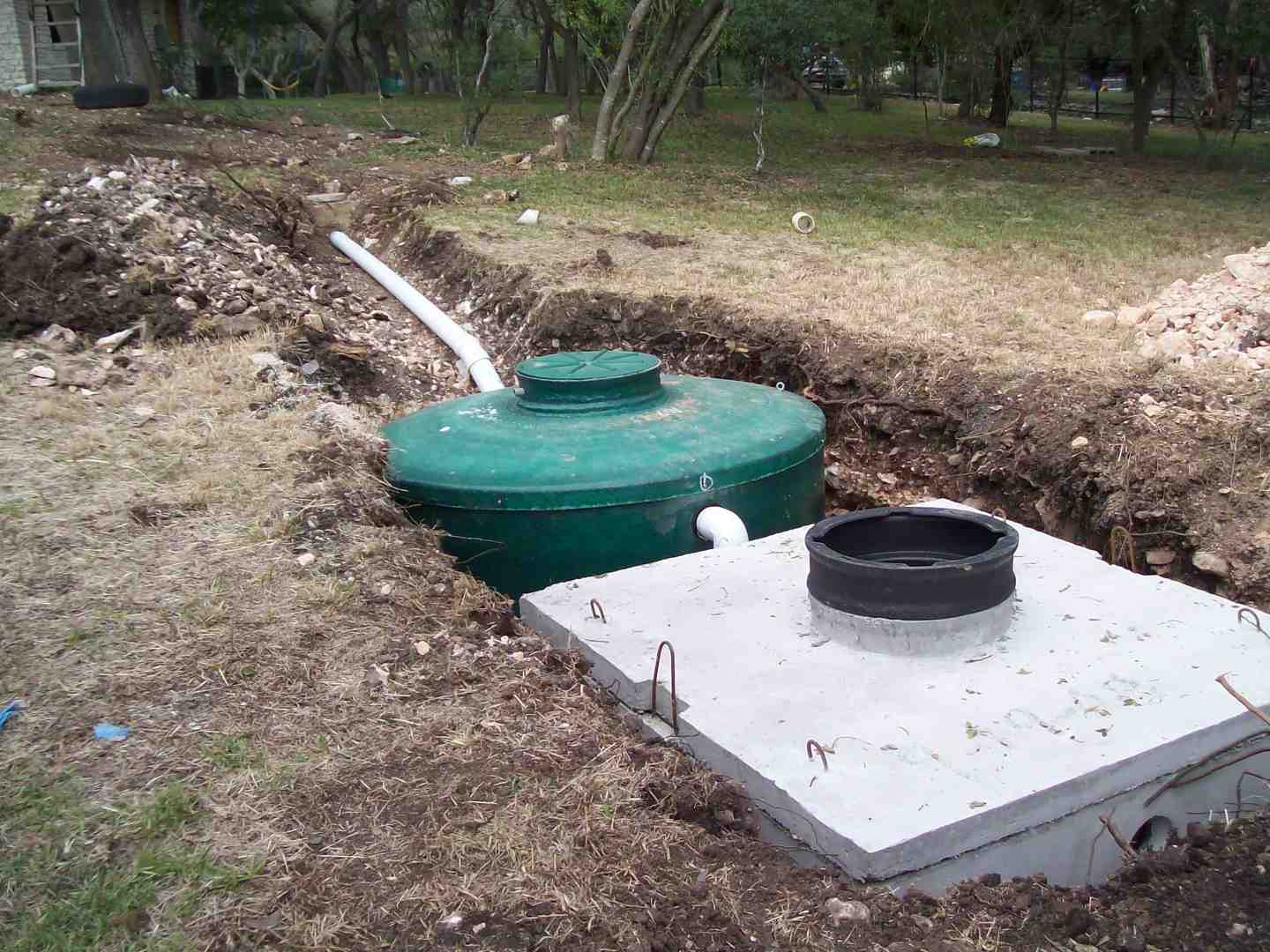
Septic system installation maintenance in Waring, TX is one of the most important — and most overlooked — responsibilities for homeowners in this rural Hill Country community. Unlike city properties connected to municipal sewer lines, homes in Waring rely entirely on on-site systems to manage wastewater. When those systems are ignored, the consequences can range from foul odors and slow drains to full sewage backups and costly repairs.
Here is a quick overview of what Waring, TX homeowners need to know:
- Pump your tank every 3-5 years (more often for large households or garbage disposal users)
- Schedule annual inspections due to Waring's challenging clay and limestone soils
- Watch for warning signs like lush green grass over the drain field, gurgling pipes, or pooling water
- Use licensed, TCEQ-compliant professionals for all installation and repair work
- Aerobic systems require maintenance contracts and checks every 4 months
- A well-maintained system can last 25 to 40 years or more
The good news is that with the right care and a trusted professional, most serious failures are entirely preventable. Approximately 20% of new Texas homes rely on septic systems, and Waring properties face unique soil and weather challenges that make routine maintenance even more critical than in other parts of the state.
Basic septic system installation maintenance in waring tx terms:
I'm worried about my drain field after the rain. How does Waring's soil affect my system?
Living in the Texas Hill Country means enjoying beautiful vistas, but it also means dealing with some of the most stubborn soil in the country. In Waring, we aren't just dealing with "dirt"; we are dealing with a complex mix of heavy clay and restrictive limestone layers. This geology plays a massive role in how we approach septic system installation maintenance in waring tx.
The "Bathtub Effect"
Waring’s clay-heavy soils are notorious for their low permeability. Imagine a sponge versus a ceramic bowl. Sandy soil acts like a sponge, soaking up water and letting it filter through. Clay, however, acts like that ceramic bowl. When we experience heavy rain—what some locals call the "Texas Turnaround" where a drought ends in a flash flood—the ground becomes saturated almost instantly.
If your drain field is located in an area with high clay content, the effluent (the liquid waste from your tank) has nowhere to go. This creates a "bathtub effect" where the wastewater sits in the trenches, unable to soak into the ground. This hydraulic overload can cause water to back up into your house or surface in your yard.
Limestone and Restrictive Horizons
Below that clay, we often find limestone. In septic systems, we call these "restrictive horizons." They are layers that stop the natural downward flow of water. If a system was installed years ago—perhaps before 1997 when regulations were less stringent—it might not have been designed to handle these specific layers.
When the soil can't process the liquid, the system is under constant stress. This is why we emphasize the importance of a thorough septic-tank-cleaning-inspection-guide-waring-tx. An inspection allows us to see if your system is actually "breathing" or if it’s drowning in the local terrain.
How often do I really need septic system installation maintenance in Waring TX?
One of the most frequent questions we hear is, "If it isn't backing up, why do I need to pump it?" It’s a fair question, but waiting for a backup to occur is like waiting for your car engine to seize before changing the oil. By the time you see the problem, the damage is already done.
The 3-to-5 Year Rule
For a standard household, we generally recommend pumping the tank every 3 to 5 years. However, this isn't a "one size fits all" rule. Several factors can shorten that window:
- Household Size: More people means more water and more solids entering the tank.
- Garbage Disposals: These are "septic killers." They add a massive amount of organic solids that bacteria struggle to break down.
- Water Usage Patterns: If you do all your laundry on Saturday (the "laundry marathon"), you are surging the system with hundreds of gallons of water at once.
Pumping vs. Professional Cleaning
There is a big difference between a quick "pump-and-go" and a professional cleaning. A simple pump might only remove the liquids. A true professional cleaning involves agitating the tank to ensure the heavy sludge at the bottom and the scum layer at the top are completely removed.
We measure the sludge and scum levels during our visits. If the sludge occupies more than one-third of the tank's capacity, it’s past time for a cleaning. If you ignore this, those solids will eventually find their way into your drain field, clogging the soil pores and leading to a system failure. If you've had a recent service and things still don't seem right, you might want to consult our septic-tank-cleaning-not-working-guide-waring-tx.
What are the best practices for septic system installation maintenance in Waring TX?
Maintenance isn't just about what we do; it’s about what you do every day. Your septic system is a living, biological machine. It relies on a delicate balance of bacteria to break down waste.
1. Mind the FixturesInstalling low-flow toilets and showerheads can significantly reduce the hydraulic load on your system. The less water you push through the tank, the more time the solids have to settle and the bacteria have to work.
2. The Water Softener DilemmaMany homes in Waring have water softeners to combat our "hard" Hill Country water. However, the salt-heavy discharge from these units can disrupt the bacterial balance in your tank and contribute to soil "clogging" in the drain field. We often recommend diverting water softener discharge away from the septic system entirely.
3. Laundry SpacingInstead of doing five loads of laundry in one day, try to spread them out over the week. This prevents the tank from being overwhelmed by a sudden surge of soapy water, which can suspend solids and carry them out into the drain field.
4. Watch the OdorsA healthy septic system shouldn't smell like a sewer. If you start noticing "rotten egg" smells in your yard or near your drains, it’s a sign that the chemical or biological balance is off. For more on this, check out our guide on septic-tank-cleaning-making-odor-in-waring-tx.
Is it time for a full septic system installation maintenance in Waring TX or just a repair?
Nothing lasts forever, not even a well-built septic system. Generally, a properly maintained system can last between 25 and 40 years. But how do you know if you just need a simple repair or a total replacement?
Signs You Need a Repair:
- A broken baffle (the part that keeps solids in the tank).
- A cracked pipe between the house and the tank.
- A malfunctioning pump or float in an aerobic system.
- A leaky tank lid.
Signs You Need a Replacement:
- Persistent Backups: If you are pumping your tank every few months and it’s still backing up, the drain field has likely failed.
- Saturated Soil: If the area over your drain field is constantly soggy, even in the middle of a dry Waring summer, the soil can no longer absorb effluent.
- System Age: If your system is 40 years old and starting to struggle, repairs are often just "band-aids" on a terminal problem.
When a system reaches its end of life, we look at modern options that better suit Waring's geography. This often involves moving from a conventional system to an aerobic one. For a deeper dive into why systems fail, read our waring-tx-septic-install-backup-guide.
Comparing Conventional and Aerobic Systems for Local Properties
In Waring, the type of system you have—or the one you need to install—is largely dictated by your soil. The Texas Commission on Environmental Quality (TCEQ) has strict regulations on On-Site Sewage Facilities (OSSF).
| Feature | Conventional System | Aerobic System |
|---|
| How it Works | Uses gravity and anaerobic bacteria. | Uses an air pump to grow aerobic bacteria. |
| Soil Requirement | Needs deep, permeable soil (not common in Waring). | Can work in heavy clay or rocky limestone. |
| Effluent Quality | Lower quality; requires soil for final treatment. | High quality; can be sprayed on the surface. |
| Maintenance | Low (pumping every 3-5 years). | High (requires electricity and 4-month checks). |
| Installation Space | Requires a large, flat drain field area. | Smaller footprint; flexible spray areas. |
Why Aerobic is Often the Choice for Waring
Because of the "east Texas red mud" style clay and the shallow limestone found in our area, conventional systems often struggle to meet TCEQ requirements for new builds. Aerobic systems are essentially miniature wastewater treatment plants. They produce a much cleaner effluent that can be safely distributed via spray heads (like a sprinkler system).
However, they come with a catch: they are mechanical. They have aerators, pumps, and control panels that require regular attention. In Kendall County, you are required to maintain a service contract for these systems, ensuring they are inspected every four months. If you are planning a new build, our septic-install-inspection-waring-tx-guide provides a roadmap for the permitting and installation process.
Troubleshooting Emergencies and Protecting Your Drain Field
A septic emergency never happens at a convenient time. It’s usually Friday night, right before you have guests coming over for a Hill Country barbecue. Knowing the warning signs can help you catch a problem before it becomes a catastrophe.
The "False Friend": Lush Green Grass
We all want a green lawn, but if there is one specific patch of grass over your drain field that is significantly greener and taller than the rest of the yard, be warned. This is a classic sign of surfacing effluent. Your grass is essentially being "over-fertilized" by untreated wastewater that can't soak into the ground.
Gurgling Pipes and Slow Drains
If your toilet gurgles when the washing machine drains, or if your shower takes forever to empty, your tank is likely full or there is a blockage in the main line. This is the system’s way of staging a "messy protest."
If you suspect a backup:
- Stop All Water Usage: Turn off the dishwasher, stop the laundry, and avoid flushing if possible.
- Check the Breaker: If you have an aerobic system and the alarm is sounding, check your electrical panel. Sometimes a simple power surge trips the breaker, turning off the aerator or pump.
- Call a Licensed Professional: Do not attempt to dig up the tank yourself. Septic tanks contain toxic gases and can be incredibly dangerous.
- Avoid the "Puddle": If there is pooling water in the yard, keep pets and children away. It is untreated sewage and a health hazard.
For more troubleshooting tips, visit septic-system-repairs-backing-up-in-waring-tx.
Frequently Asked Questions about Waring Septic Services
How does heavy rain impact my septic system in Waring?
Heavy rain saturates the soil in your drain field. If the soil is already full of rainwater, it cannot accept the wastewater from your house. This is why many people experience backups only after a big storm. Additionally, if your tank lids aren't sealed properly, "runoff" can enter the tank, filling it up with rainwater and forcing solids out into the drain field—a recipe for disaster.
What should I never flush into my Waring septic system?
Your septic system is not a trash can. You should avoid flushing:
- "Flushable" Wipes: They are not actually flushable; they don't break down and will clog your pump or pipes.
- Fats, Oils, and Grease (FOG): These solidify in the tank and can seal off the soil in your drain field.
- Chemicals: Bleach, drain cleaners, and paint thinners kill the "good" bacteria that digest waste.
- Coffee Grounds and Cat Litter: These add heavy solids that never break down.
Why are maintenance contracts required for aerobic systems?
TCEQ and local Kendall County authorities require maintenance contracts because aerobic systems are complex. If the air pump (aerator) fails, the bacteria die within hours, and the system begins discharging raw sewage. Regular inspections every four months ensure the mechanical parts are working, the chlorine levels are sufficient for disinfection, and the sludge isn't building up too high.
Conclusion
At Van Delden Wastewater Systems, we believe that an educated homeowner is a septic system's best friend. Since 1937, our family-owned business has been helping Hill Country residents navigate the unique challenges of rural wastewater management. We pride ourselves on our team of honest, background-checked, and non-commissioned technicians. When we come to your property in Waring, we aren't there to upsell you on parts you don't need; we are there to ensure your system is running safely and efficiently.
We provide detailed service forms and photo documentation so you can see exactly what is happening under the ground. Whether you are dealing with a stubborn clay soil backup or you need a new aerobic system installed for a custom home, we have the experience to get the job done right.
Don't wait for the "Texas Turnaround" to flood your yard. Schedule your professional septic system installation and maintenance services today and protect your home investment for decades to come.