Why Septic System Maintenance Matters for San Antonio Homeowners
Septic maintenance san antonio tx is essential for protecting your home, family, and property investment. Your septic system is one of your home's most critical components, yet it's often the most overlooked. In fact, nearly 25% of San Antonio area homes rely on septic systems to safely treat and dispose of wastewater.
When properly maintained, a septic system protects your family's health, preserves groundwater quality, and can last for decades. But when neglected, the consequences can be severe, from messy sewage backups in your home to complete system failure requiring a costly replacement.
Key services available for San Antonio homeowners include:
- Septic Tank Pumping: Recommended every 3-5 years.
- System Inspections: Annual checks and real estate inspections.
- Emergency Repairs: For unexpected issues.
- Aerobic System Maintenance: Specialized care for advanced systems.
- Drainfield Services: Cleaning and repair of soil absorption areas.
The key is understanding what your system needs and when. Regular maintenance isn't just about avoiding problems—it's about protecting one of your largest investments while ensuring your family's safety and comfort.
Understanding Your Septic System: How It Works
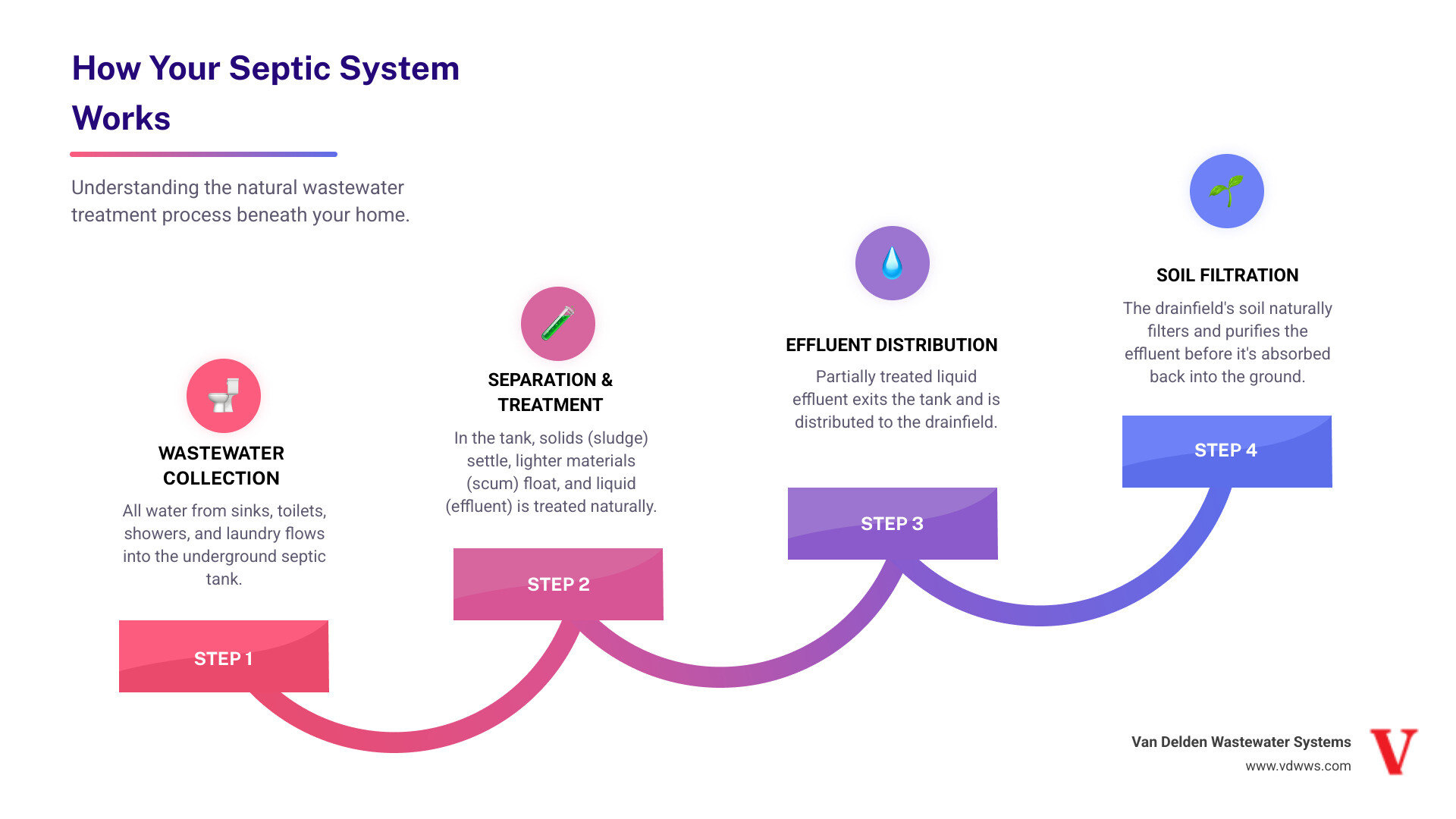
Your septic system is a self-contained wastewater treatment plant in your yard. It uses gravity and natural bacteria to treat everything that goes down your drains. Water from your kitchen, bathroom, and laundry flows into the septic tank, where the treatment process begins. For an independent overview, see EPA: How Your Septic System Works and the Wikipedia overview of septic tanks.
Inside the tank, solids settle to the bottom, forming the sludge layer, while lighter oils and grease float to the top, creating the scum layer. In between is the liquid effluent, which is partially treated water. Beneficial bacteria in the tank continuously break down organic matter, a vital process for proper septic maintenance san antonio tx.
Types of Septic Systems Serviced
Knowing your system type is key to proper care. Van Delden services two main types of systems:
Conventional systems are simple and rely on gravity. Effluent flows from the tank into a drainfield made of buried, perforated pipes (lateral lines). The surrounding soil provides the final filtration through natural soil absorption.
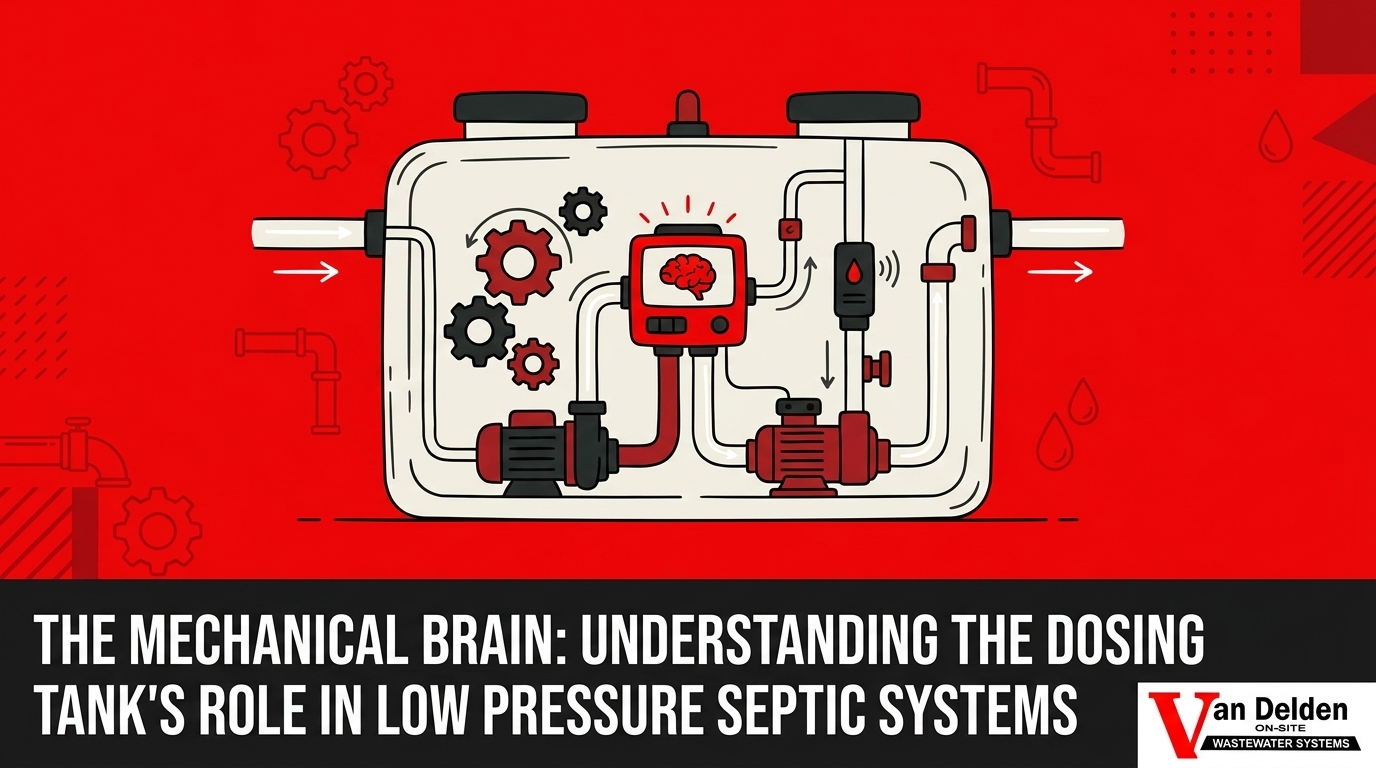
Aerobic systems are more advanced. They use an aerator to pump oxygen into the tank, which boosts the bacterial breakdown of waste. These systems require electricity and produce a higher quality effluent, which is distributed through sprinklers or drip lines.
| Feature | Conventional Septic System | Aerobic Septic System |
|---|
| Components | Septic Tank, Drainfield, Distribution Box | Septic Tank (multiple chambers), Aerator, Pump, Drainfield (often sprinklers/drip lines) |
| Maintenance Needs | Pumping, filter cleaning, drainfield care | Pumping, regular inspections, maintenance contracts, component checks, filter cleaning |
| Power Usage | None (relies on gravity) | Requires electricity for aerator and pump |
| Treatment Level | Basic (relies heavily on soil) | Advanced (oxygenation improves treatment) |
| Effluent Quality | Treated liquid effluent | Highly treated, cleaner effluent |
The Crucial Role of Your Drainfield
Your drainfield is where the final and most important wastewater filtration occurs. After the tank separates solids, the liquid effluent flows into the drainfield. Here, the soil's role is critical. It acts as a natural filter, removing harmful bacteria and contaminants through pollutant removal processes.
This natural filtration is what makes septic systems environmentally friendly, as it cleans the water before it reaches the groundwater table, thus protecting groundwater. The key is preventing saturation. An overloaded or clogged drainfield can't filter wastewater, leading to soggy ground, foul odors, or sewage backups.
If you notice concerning symptoms, check our guide on Signs of Drainfield Problems in San Antonio Home or learn about Drainfield Saturation Signs in San Antonio. Early detection can save your drainfield and prevent costly repairs.
The Importance of Regular Septic Maintenance in San Antonio, TX
Regular septic maintenance san antonio tx is a proactive measure that protects your home, family, and finances. A well-maintained system can last for decades, while a neglected one can fail prematurely, leading to extensive and expensive repairs. Preventative care offers incredible benefits, including protecting your property value and safeguarding public health by preventing groundwater contamination.
When a septic system fails, it can release untreated wastewater, creating health hazards for your family and neighbors. That's why regular septic system maintenance is recommended to extend the lifetime of the septic tank and prevent a flooded drainfield.
Recommended Pumping and Maintenance Schedule
The golden rule for septic maintenance san antonio tx is to pump your system every 3 to 5 years. However, the ideal schedule depends on your household size, tank size, and water usage. A large family will fill a tank faster than a smaller one. Industry statistics show that septic systems should be pumped every 3 to 4 years to maximize lifespan and prevent costly repairs.
Beyond pumping, filter cleaning should be done annually if your system has an effluent filter. Routine inspections by a professional can catch small problems before they become big ones. For aerobic systems, maintenance contracts are often required to ensure all mechanical components are functioning correctly. Following a consistent schedule is one of the best ways to Extend Septic System Lifespan in San Antonio.
Proactive Care: What to Protect Your System From
What goes down your drains directly impacts your septic system's health. Most problems are preventable with good habits.
First, practice water conservation. Fix leaks promptly and space out laundry loads to avoid overwhelming the system. Second, be careful about what you flush or pour down the drain. The only thing that should be flushed is human waste and toilet paper.
Avoid these items to protect your system:
- Grease and oils: They solidify and cause clogs.
- Harsh chemicals: They kill the beneficial bacteria your system needs.
- "Flushable" wipes: They don't break down and are a leading cause of clogs and pump failures.
- Feminine hygiene products, diapers, and paper towels: They are designed to absorb, not dissolve.
- Coffee grounds, food scraps, and medications: These contribute to solid buildup or contaminate groundwater.
These simple habits, along with other San Antonio Septic Tank Tips, will keep your system running efficiently for years.
Recognizing and Addressing Common Septic System Problems
Your septic system will usually give you warning signs when something is wrong. Early detection is your best friend when it comes to septic maintenance san antonio tx, as it can help you avoid messy and expensive emergencies. Knowing the difference between a minor issue and a major problem that requires a professional is key.
Warning Signs Your Septic System is Failing
Learn to recognize your system's cries for help. Be on the lookout for these common warning signs:
- Foul odors: Sewage smells near drains, the tank, or the drainfield.
- Sewage backups: Waste backing up into toilets, sinks, or tubs is a clear emergency.
- Slow drains: If multiple fixtures are draining slowly, the problem may be your septic system.
- Gurgling sounds: Unusual noises from your plumbing can indicate a blockage.
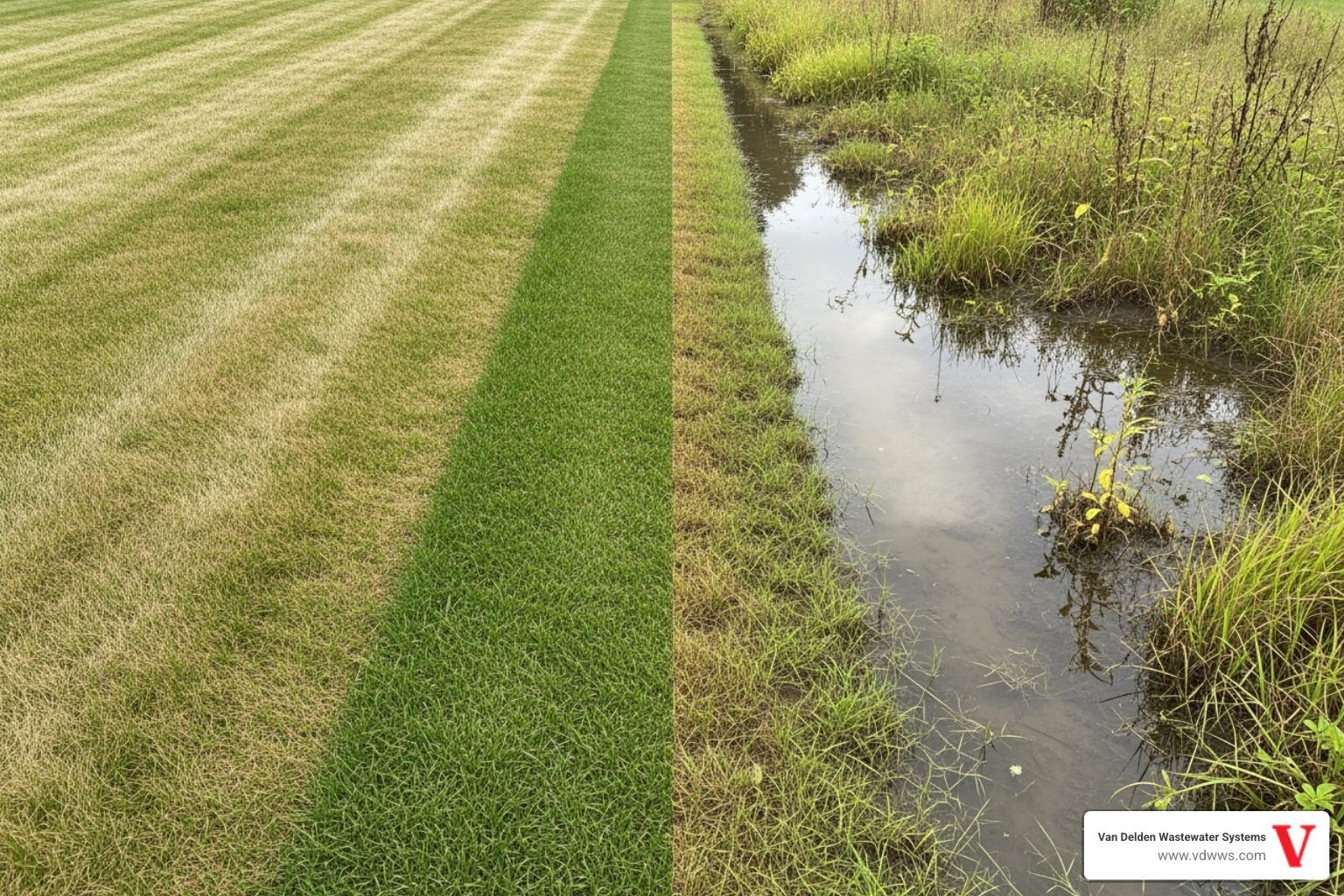
- Lush grass: Unusually green or spongy grass over the drainfield suggests effluent is surfacing.
- Standing water: Wet spots around your tank or drainfield during dry weather are a major red flag. For more on this, see our guide on Drainfield Cleaning San Antonio TX.
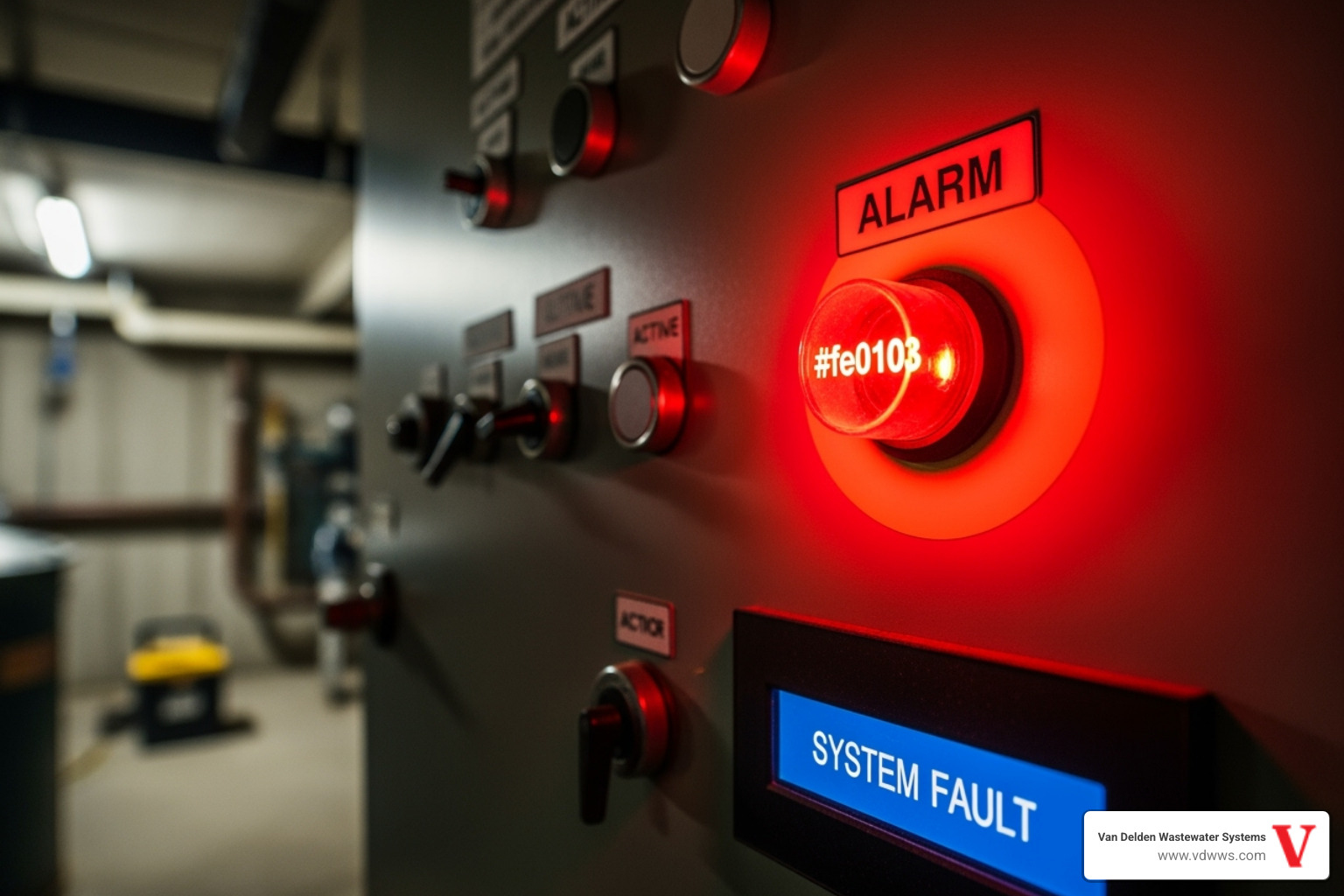
- Alarm activation: On aerobic systems, a flashing light or beeping alarm requires immediate attention.
Common Issues and When to Call a Professional for septic maintenance san antonio tx
When warning signs appear, it's time to call a professional. DIY repairs on septic systems can often make problems worse.
- Tank needs pumping: The most common issue. Slow drains and odors often mean the tank is too full of solids.
- Clogged pipes: Blockages in the main line or baffles require specialized equipment to clear.
- Drainfield failure: A saturated or clogged drainfield is a serious problem that requires expert diagnosis and repair.
- Broken components: Failed pumps, aerators, or other mechanical parts in aerobic systems need professional service.
- Alarm activation: This indicates a malfunction in an aerobic system that a trained technician must diagnose and fix.
For a helpful visual guide, Watch this video on common septic problems. When you need professional septic maintenance san antonio tx services, we're here to help with our comprehensive Septic Repair San Antonio TX solutions.
Your Guide to Professional Septic Services in San Antonio
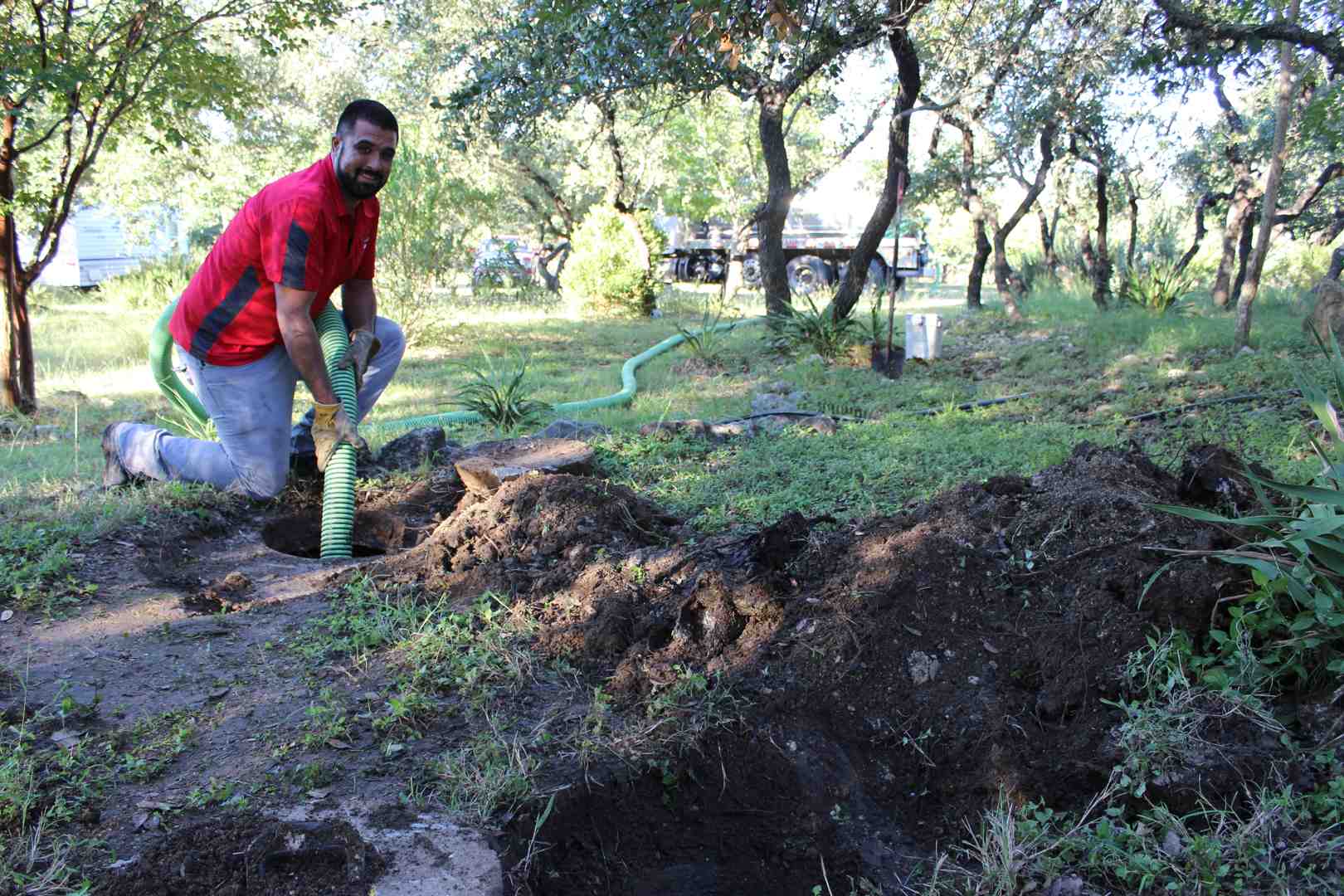
When your septic system needs attention, choosing the right professional is crucial for protecting your health and property. Septic maintenance san antonio tx requires expertise, proper licensing, and a commitment to customer service. A common first step is simply locating the system, which a professional technician can do using site plans or specialized equipment.
How to Choose a Reputable Septic Service Company
Choosing a septic company is like choosing a family doctor—trust and expertise are paramount. Here’s what to look for:
- TCEQ Licensing: Ensure the company is licensed by the Texas Commission on Environmental Quality (TCEQ), which guarantees they meet state standards for training and compliance.
- Years of Experience: An experienced company has seen it all. Our family-owned business has served the area since 1937, giving us unparalleled expertise.
- Positive Reviews: Look for reviews that praise technicians for being helpful, punctual, and professional.
- Insurance Coverage: Proper insurance is essential and protects you from liability.
- Non-Commissioned Technicians: Our technicians focus on education and honest recommendations, not upselling. They are background-checked and prioritize your system's needs.
- Detailed Service Reports: A professional company provides transparency with detailed reports and photo documentation of the work performed.
When searching for the Best Septic Tank Service San Antonio, these qualities will lead you to a provider who respects your home and investment.
Typical Services for septic maintenance san antonio tx
Professional septic companies offer a range of services to keep your system healthy:
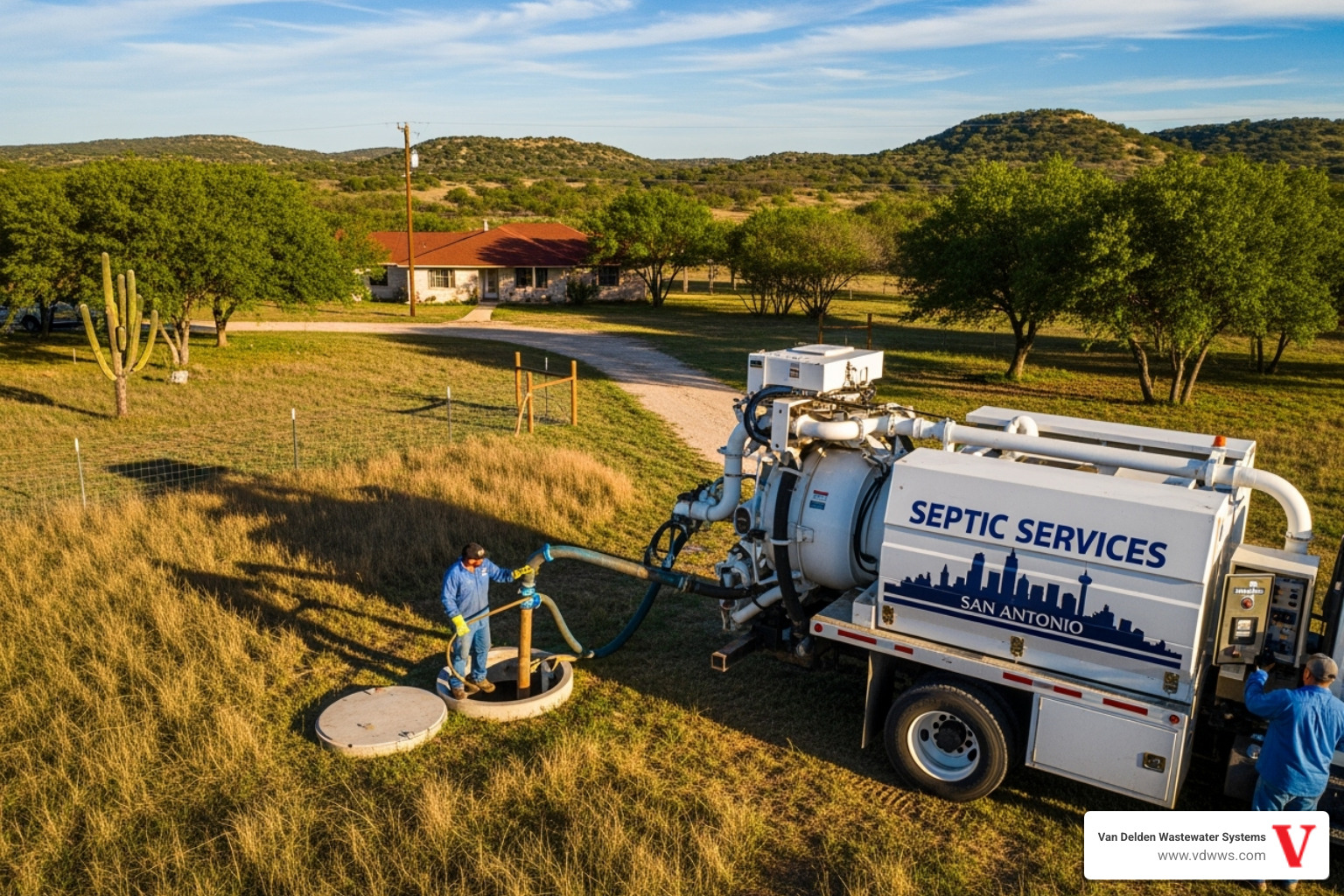
- Septic Tank Pumping: The core of maintenance, this service removes accumulated solids every 3-5 years to prevent drainfield damage.
- System Inspections: Routine checkups to identify potential problems before they become emergencies.
- Real Estate Inspections: A specialized inspection that reveals a system's condition during a property transaction, protecting both buyers and sellers.
- Maintenance Contracts: Especially important for aerobic systems, these contracts ensure regular, certified maintenance to keep components in peak condition.
- Repairs and Installations: From minor component fixes to complete system design and installation, a full-service provider offers continuity of care.
Our comprehensive Septic Tank Cleaning San Antonio TX services cover every aspect of septic system care.
Frequently Asked Questions About Septic Care
With our company's history dating back to 1937, we've answered nearly every question imaginable about septic systems. Here are the most common questions we receive about septic maintenance san antonio tx.
How often should my septic tank be pumped?
This is our most-asked question. The answer depends on your tank size, household size, and water usage. As a general guideline for most homes in San Antonio TX, we recommend pumping every 3 to 5 years. Both conventional and aerobic systems benefit from pumping every 3 to 4 years for a typical residential property. Larger families or homes with garbage disposals may need more frequent pumping.
Are septic tank additives helpful?
No. Most experts agree that additives are not necessary and do not replace the need for regular pumping. Your septic tank contains naturally occurring bacteria that are sufficient for breaking down waste. Additives cannot remove the accumulated solid sludge; only pumping can do that. Relying on additives can create a false sense of security and lead to system damage.
What's the difference between a full tank and a tank that needs pumping?
This is a common point of confusion. A septic tank is designed to operate when it is "full" of liquid. This liquid, or effluent, sits between the top scum layer and the bottom sludge layer. A tank "needs pumping" when the solid sludge and scum layers have become too thick. If these layers grow too large, they displace the liquid and can push solids into your drainfield, causing clogs and system failure. Pumping removes these excess solids and restores the proper balance in the tank.
Conclusion
Proactive septic system care is one of the smartest investments you can make in your home. For septic maintenance san antonio tx, a few simple steps—regular pumping every 3-5 years, being mindful of what goes down your drains, and watching for warning signs—can prevent the vast majority of problems.
A healthy septic system protects your property value, safeguards your family's health, and preserves local groundwater quality. When it's running smoothly, you don't have to think about it, and that's the goal.
Here in San Antonio, Van Delden Wastewater Systems has been providing expert septic services since 1937. Our honest, non-commissioned technicians focus on educating you about your system and providing transparent service with detailed reports and photo documentation.
When you choose Van Delden, you're choosing a partner dedicated to the long-term health of your septic system. Ready to give your system the care it deserves? Learn more about our comprehensive septic services and find out why so many San Antonio homeowners trust us.