Understanding Drainfield Problems in Texas Hill Country
Drainfield cleaning repair in smithson valley tx is essential when your septic system starts showing signs of trouble. If you're experiencing slow drains, sewage odors, or soggy patches in your yard, your drainfield may need professional attention.
Quick Answer: What You Need to Know
- Common signs: Slow drains, foul odors, standing water near the drainfield, unusually lush grass
- Typical causes: Sludge buildup, root intrusion, soil compaction, hydraulic overload
- Solutions: Professional diagnosis, hydro-jetting, rootering, soil fracturing, or full replacement
- Who to call: Licensed septic professionals serving Comal County
- Timeline: Most repairs completed within 1-3 days after inspection
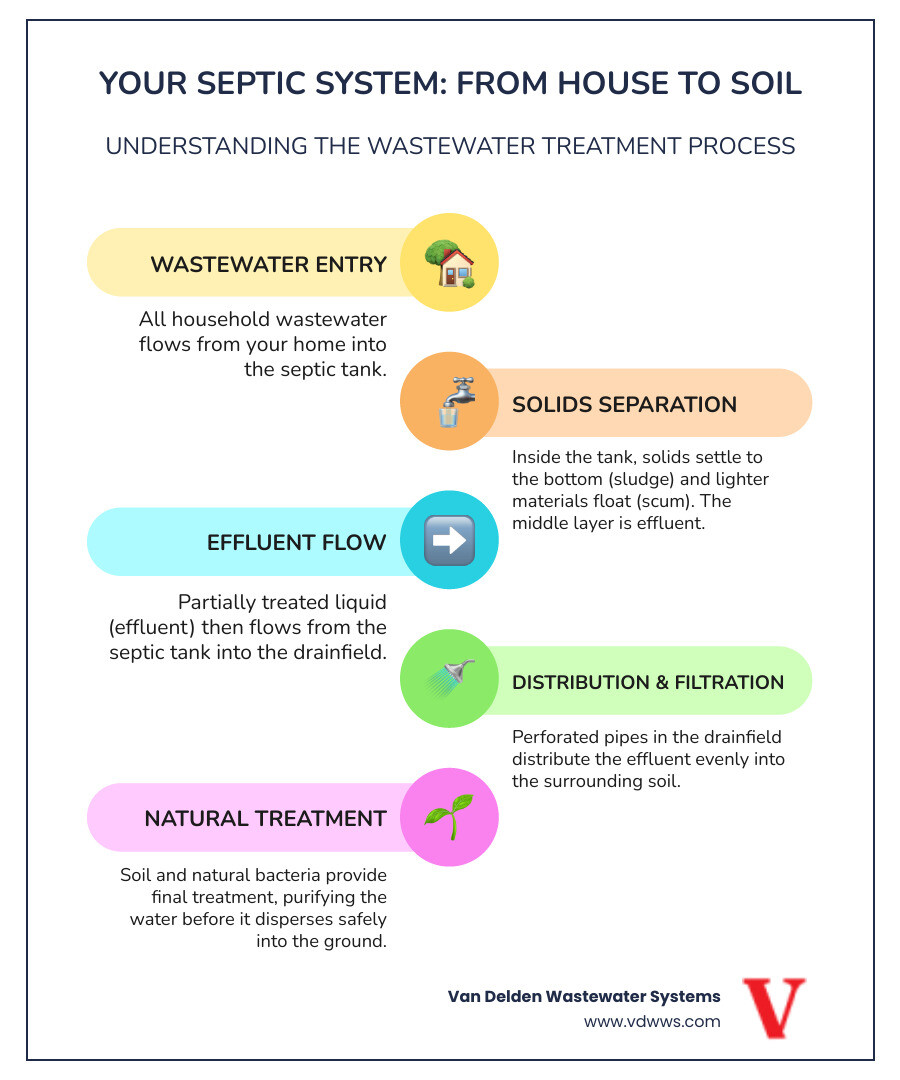
Smithson Valley sits in Texas Hill Country, where many homes rely on septic systems rather than municipal sewer lines. Your drainfield is the underground component where wastewater receives its final treatment before returning safely to the soil. When this system fails, it doesn't just create unpleasant odors and messy yards - it can threaten your family's health and your property value.
Unlike your septic tank, which simply stores solid waste until it's pumped, your drainfield does the heavy lifting of filtering wastewater through soil. The perforated pipes distribute liquid evenly across the drainage area, where natural bacteria break down contaminants. But when biomat buildup clogs the soil, or tree roots invade the pipes, or the ground becomes oversaturated, the entire system backs up.
Most homeowners don't think about their drainfield until something goes wrong. Regular maintenance, including septic tank pumping every 3-5 years, can prevent most drainfield problems before they start. But even well-maintained systems eventually need professional cleaning or repair, especially in areas with clay-heavy soil or high water tables.
Identifying Drainfield Distress: When to Call a Professional
When your drainfield is struggling, it often sends out clear signals that something isn't right. These signs are your septic system's way of telling you it needs help, and ignoring them can lead to more severe and costly problems down the line. As a community where septic systems are common, homeowners in Smithson Valley, TX, need to be particularly vigilant.
One of the most common indicators we encounter is slow drains. If your sinks, bathtubs, or toilets are draining sluggishly, it could be a sign that your drainfield isn't absorbing wastewater effectively. This often progresses to gurgling pipes, which occur when air is trapped in the plumbing system due to blockages or improper drainage. It's like your pipes are trying to tell you they're thirsty, but the drainfield isn't letting them drink.
Perhaps the most unmistakable sign is sewage odors, especially around your yard or even inside your home. This foul smell indicates that untreated wastewater is surfacing or backing up, releasing noxious gases. Coupled with this, plumbing backups are a clear emergency. If sewage is overflowing from your toilets, showers, or drains, your drainfield has likely failed, and the system can no longer handle the volume of waste.
Out in the yard, you might notice wet spots or standing water near the drainfield area, even during dry weather. This soggy ground is a tell-tale sign that wastewater is not percolating through the soil as it should. We also often see unusually lush, green grass growing directly over the drainfield. While green grass usually sounds good, in this context, it means the grass is getting an excessive amount of nutrient-rich wastewater, indicating that the system is failing to properly treat and disperse it.
These symptoms, particularly when persistent or occurring together, strongly suggest that your drainfield is in distress and requires professional assessment.
Common Signs You Need Drainfield Cleaning Repair in Smithson Valley, TX
Let's dive a little deeper into the specific signs that point to the need for professional drainfield cleaning repair in Smithson Valley, TX:
- Persistent Backups: If you're experiencing frequent toilet overflows or drains backing up into your home, it's a critical sign. This means the wastewater has nowhere to go, and the drainfield is completely saturated or clogged.
- Foul Odors Near the Drainfield: Beyond a simple whiff, a constant, strong smell of sewage in your yard is a serious problem. It's not just unpleasant; it's a health hazard indicating wastewater is not being properly contained and treated underground.
- Saturated Soil: Your drainfield should effectively absorb and disperse wastewater. If the ground over your drainfield is continually damp, spongy, or pooling with water, even days after rainfall, it signifies a severe lack of absorption capacity. Smithson Valley, like much of Texas, experiences periods of heavy rainfall, which can exacerbate drainfield issues if not properly maintained. Over-saturation can lead to system failure, making regular maintenance even more crucial.
- Changes in Lawn Health Over the Septic Area: While unusually lush grass can be a sign, so can dead patches or areas where the vegetation is struggling. Both extremes indicate an imbalance in the soil environment caused by a malfunctioning drainfield.
If you observe any of these signs, it's time to contact us. Early intervention can often prevent a minor issue from escalating into a full system failure, potentially saving you thousands in replacement costs.
Causes of Drainfield Failure and System Types in Comal County
Understanding why drainfields fail is crucial for preventing issues and addressing them effectively when they arise. In Comal County, where many of our valued customers reside, several factors commonly contribute to drainfield problems.
One of the primary culprits is sludge buildup. Over time, even with regular septic tank pumping, some solids and organic matter (known as biomat) can escape the septic tank and accumulate in the drainfield's perforated pipes and surrounding soil. This biomat forms a dense, slimy layer that clogs the soil pores, preventing wastewater from percolating and being absorbed. This is why routine cleaning and inspections, typically recommended every 3-5 years for septic tank pumping, can significantly extend the lifespan of a septic system.
Hydraulic overload is another significant cause. This happens when too much water enters the septic system too quickly, overwhelming the drainfield's capacity to absorb it. Excessive water usage from multiple laundry loads, long showers, or leaky fixtures can contribute to this. In areas like Smithson Valley, periods of heavy rainfall can also saturate the ground, reducing the soil's ability to accept additional wastewater and leading to system failure.
Root intrusion from nearby trees and shrubs is a common and insidious problem. Tree roots, constantly seeking moisture and nutrients, can grow into the drainfield pipes, cracking them or creating blockages that impede wastewater flow. We've seen roots completely fill pipes, turning a simple drainfield into a tangled mess.
Soil compaction can severely reduce the drainfield's effectiveness. Driving vehicles, parking heavy equipment, or even constructing structures over the drainfield area compacts the soil, decreasing its porosity and hindering its ability to absorb wastewater. The drainfield relies on loose, permeable soil to function correctly.
Finally, damaged components within the drainfield itself, such as broken distribution pipes or crushed gravel, can disrupt the even distribution of wastewater, leading to localized saturation and eventual failure. Improper maintenance, or a lack thereof, underlies many of these issues, turning small problems into major headaches.
Conventional vs. Aerobic Septic Systems
In Comal County, you'll primarily encounter two main types of septic systems, each with its own characteristics and maintenance needs:
- Conventional Systems: These are the most traditional type, often found in older homes or properties with suitable soil conditions. A conventional system typically consists of a septic tank and a drainfield (also known as a leach field or absorption field). After solids settle in the tank, the liquid effluent flows into a network of perforated pipes laid in gravel-filled trenches. This liquid then slowly seeps into the surrounding soil, where natural processes further treat it. Conventional drainfields have no mechanical parts, but they can still be affected by cracked pipes and tree branches in the system.
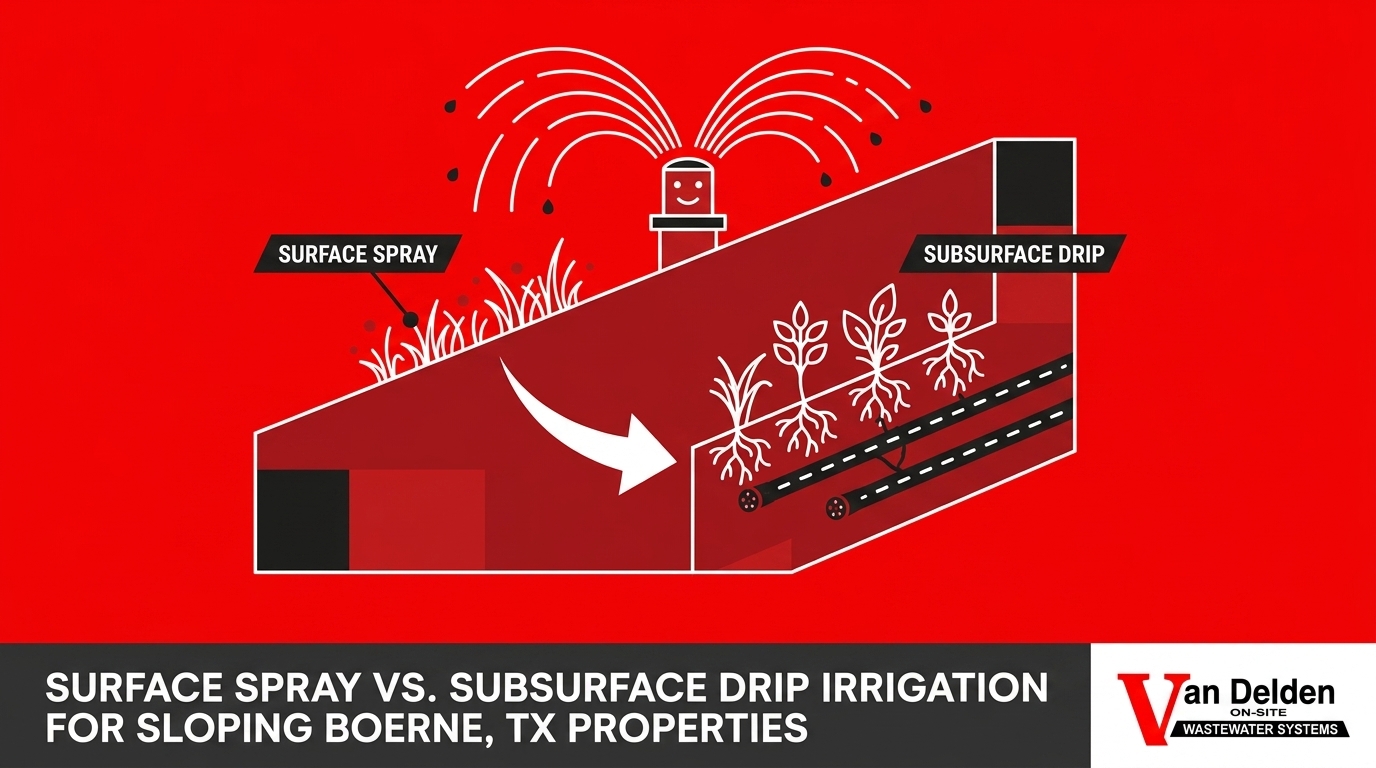
- Aerobic Systems: These are more modern and complex, often used in areas with less permeable soil, higher water tables, or where a higher level of treatment is required before discharge. Aerobic treatment units (ATUs) introduce oxygen into the wastewater, which promotes the growth of aerobic bacteria that are very efficient at breaking down contaminants. The treated water is then often disinfected and discharged to a spray field, where it evaporates or is absorbed by vegetation. These systems have mechanical components like pumps and aerators, requiring more frequent inspections and maintenance to ensure they function correctly.
The choice between a conventional or aerobic system depends on several factors, including local regulations, soil composition, property size, and household water usage. Regardless of the type, both systems rely heavily on a properly functioning drainfield (or spray field) to safely process wastewater. Our team is expert in servicing and repairing both types of systems, ensuring your specific setup gets the care it needs.
The Process for Drainfield Cleaning Repair in Smithson Valley, TX
When you suspect an issue with your drainfield in Smithson Valley, TX, the process begins with a thorough and professional diagnosis. Every septic system is unique, and a one-size-fits-all approach simply won't do.
Technicians will conduct a detailed assessment, often including camera inspections of your septic lines and drainfield pipes. Using specialized plumbing video inspection cameras, they can visually identify blockages, root intrusion, collapsed pipes, or other structural damage without extensive digging. This helps pinpoint the exact nature and location of the problem so the most effective solution can be recommended.
Once the issue is understood, targeted drainfield cleaning repair in Smithson Valley, TX can begin. Depending on the diagnosis, this might involve:
- Hydro-jetting: This powerful cleaning method uses high-pressure water streams to blast away stubborn blockages, biomat buildup, grease, and debris from the drainfield pipes. It's highly effective at restoring flow and clearing out accumulated sludge that can clog the system.
- Rootering (or augering): For problems caused by tree root intrusion, specialized plumbing snakes (augers) with cutting attachments are used to clear roots from within the pipes. This mechanical method can effectively remove root masses that are obstructing wastewater flow.
- Terralift Soil Fracturing: In cases where the soil itself has become compacted or clogged with biomat, preventing proper absorption, advanced techniques like Terralift soil fracturing may be recommended. This process involves injecting high-pressure air into the soil to create fissures and channels, breaking up compaction and biomat layers, and restoring the soil's natural ability to absorb wastewater. This technique can often save a failing drainfield from needing a full replacement.
Throughout this process, you should receive clear communication and documentation so you understand the condition of your system and what work has been performed. The goal is to get your septic system back in working order as quickly as possible, minimizing disruption to your home.
Repair or Replace? Making the Right Decision for Your System
Deciding whether to repair or replace your drainfield is a significant decision that depends on several factors. The priority is always the most effective and long-lasting solution for your home in Smithson Valley.
Key considerations include:
- System Age: An older system, especially one nearing the end of its typical lifespan (often 20-30 years), might be a better candidate for replacement if damage is extensive. Newer systems, on the other hand, are often good candidates for repair.
- Extent of Damage: Is it a localized clog or a widespread issue? Minor blockages or root intrusions can often be repaired. However, if multiple pipes are collapsed, the soil is irrevocably saturated, or the biomat buildup is too severe for remediation, replacement might be the only viable option.
- Biomat Formation: While cleaning techniques can address biomat, if it has completely choked the absorption field and the soil's permeability is permanently compromised, repair might only offer a temporary fix.
- Soil Condition: The original design of your drainfield was based on your soil type. If the soil has changed significantly due to compaction or long-term saturation, its ability to treat wastewater might be permanently impaired, necessitating replacement with a system better suited to the current soil conditions.
Here's a comparison to help illustrate the factors that are typically evaluated:
| Factor | Drainfield Repair | Full Drainfield Replacement |
|---|
| System Age | Typically for newer to moderately old systems | Often for older systems (20+ years) or severely damaged |
| Damage Extent | Localized clogs, minor root intrusion, compaction | Collapsed pipes, extensive biomat, irreparable saturation |
| Biomat | Can be treated with jetting, soil fracturing | Too severe for remediation, soil permeability lost |
| Soil Condition | Soil can be rehabilitated (e.g., Terralift) | Soil is permanently impaired, new design needed |
| Lifespan | Extends current system life, but not indefinitely | Provides a new system with a full lifespan |
| Intervention | Less invasive, quicker turnaround | More extensive excavation, longer project duration |
Neglecting drainfield maintenance can lead to premature failure and the need for full replacement. Timely cleaning, repairs, and ongoing care help protect your system and your property.
Proactive Drainfield Care: A Homeowner's Guide to Prevention
Preventing drainfield issues is always more desirable and less costly than reacting to a full-blown failure. For homeowners in Smithson Valley, adopting proactive habits can significantly extend the life of your septic system and avoid the need for extensive drainfield cleaning repair in Smithson Valley, TX. We believe in educating our customers to save money and extend system life, which is why we emphasize these best practices.
At the heart of drainfield prevention is regular septic pumping. We recommend having your septic tank pumped every 3-5 years. This frequency can vary based on household size and water usage. Regular pumping removes the accumulated solids and sludge from the tank, preventing them from overflowing into the drainfield and causing biomat buildup. If it's been a while since your last pumping, it's time to schedule an appointment.
Water conservation is a powerful tool in protecting your drainfield. The less water you send into your septic system, the less strain you put on the drainfield. Simple habits like taking shorter showers, fixing leaky faucets, running full loads of laundry and dishes, and using water-efficient appliances can make a big difference. Hydraulic overload is a major cause of drainfield failure, especially during periods of heavy rainfall common in Texas.
Proper waste disposal is critical. Your septic system is designed to handle human waste and toilet paper - and nothing else. Avoid flushing anything else down your toilets, such as:
- Wipes (even "flushable" ones)
- Feminine hygiene products
- Diapers
- Paper towels
- Dental floss
- Cigarette butts
- Coffee grounds
Similarly, be mindful of what goes down your drains. Avoid pouring grease, cooking oils, and harsh chemicals (like excessive drain cleaners, paint, or solvents) down sinks. Grease solidifies in pipes and the septic tank, contributing to blockages, while harsh chemicals can kill the beneficial bacteria essential for wastewater treatment in both the tank and the drainfield. We recommend using natural cleaning methods like baking soda, vinegar, and hot water when possible.
Finally, protecting the drainfield area from physical damage is paramount. Never drive vehicles, park heavy equipment, or construct structures over your drainfield. The weight can compact the soil and crush the pipes, leading to system failure. Also, be thoughtful about landscaping; plant trees and shrubs far away from the drainfield to prevent root intrusion.
Your Drainfield Maintenance Checklist
To help you keep your drainfield in top shape, we've put together a simple checklist:
- Pump Your Septic Tank Regularly: Schedule pumping every 3 to 5 years, adjusting based on household size and water usage. If sludge takes up more than 30% of your tank, it needs servicing.
- Conserve Water: Reduce your daily water usage to prevent hydraulic overload on your drainfield. Spread out laundry loads throughout the week to avoid sending large volumes of water at once.
- Watch What Goes Down the Drain: Only flush toilet paper. Avoid disposing of non-biodegradable items, grease, and harsh chemicals in your sinks and toilets.
- Protect the Drainfield Area: Do not drive, park, or build on your drainfield. Keep heavy objects off the area.
- Landscape Wisely: Plant trees and shrubs at a safe distance from your drainfield to prevent root intrusion.
- Monitor Your System: Pay attention to the signs of drainfield distress we discussed earlier, such as slow drains, odors, or wet spots. Early detection can save you from costly repairs.
- Schedule Regular Inspections: Beyond pumping, periodic professional inspections can catch potential issues before they become serious problems.
Following these preventative tips is your best defense against drainfield problems. Regular maintenance is key to preventing costly future repairs and extending the life of your septic system, potentially saving homeowners thousands in the long run.
Conclusion: Ensuring the Health of Your Septic System
We've explored the critical role your drainfield plays in your septic system, the tell-tale signs of distress, common causes of failure, and the various solutions available for drainfield cleaning repair in Smithson Valley, TX. From understanding the nuances of conventional versus aerobic systems to making informed decisions about repair versus replacement, this guide is designed to help local homeowners protect their properties.
The health of your drainfield is not just about convenience; it's about protecting your property, your family's health, and the local environment. Neglecting drainfield maintenance can lead to premature failure and the need for extensive repairs or full replacement. Conversely, regular maintenance and timely professional intervention can significantly extend the lifespan of your septic system, reducing stress and disruption.
All work on your septic system should adhere strictly to Texas regulations concerning septic systems, meeting the highest standards for environmental protection and system longevity. Clear communication, honest assessments, and quality workmanship are essential for long-term peace of mind.
Don't wait for a small issue to become a major headache. If you're noticing any signs of drainfield trouble, or if it's simply time for routine maintenance, scheduling a professional drainfield inspection in the Smithson Valley area is the best next step.