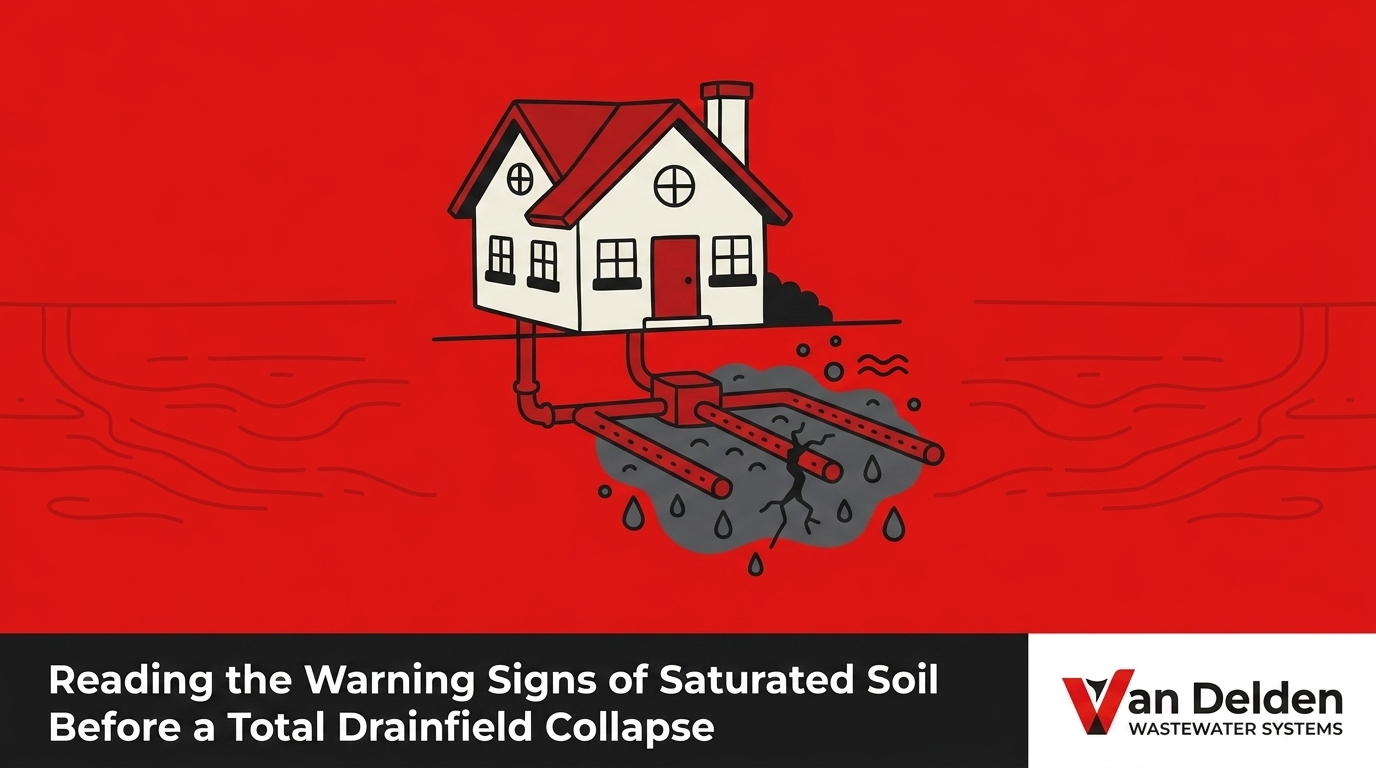
Translating a Septic Inspection Report for Kendall County Homebuyers
Don't let technical septic jargon derail your late-summer closing. We break down which inspection findings are routine maintenance items and which are true dealbreakers.
Understanding the cost difference conventional vs aerobic system is one of the most important decisions a Texas homeowner can make before installing or replacing a septic system. And the gap is significant — not just at installation, but over the entire life of the system.
Here's a quick breakdown of what you can expect:
• Installation — Conventional System: Lower upfront cost — Aerobic System: Significantly higher upfront cost
• Annual Maintenance — Conventional System: Minimal (pump every 3-5 years) — Aerobic System: Higher (contracts + inspections required)
• Electricity — Conventional System: None — Aerobic System: Required year-round
• 10-Year Total — Conventional System: Lower overall — Aerobic System: Noticeably higher overall
• Who It's Best For — Conventional System: Good soil, larger lots — Aerobic System: Poor soil, small lots, restricted zones
For many Texas homeowners, the choice isn't just about budget — it's about what your soil, lot size, and local regulations will actually allow. In areas with clay-heavy soil, shallow limestone bedrock, or proximity to the Edwards Aquifer, an aerobic system may not be optional at all.
Both systems treat wastewater, but they do it very differently. Conventional systems use a passive, gravity-fed process with no moving parts and no electricity. Aerobic systems pump oxygen into the treatment process, producing cleaner effluent — but requiring more equipment, more maintenance, and ongoing operating costs.
This guide breaks down every cost factor so you can make a confident, informed decision.
To truly appreciate the cost difference conventional vs aerobic system, we first need to look under the hood (or rather, under the grass) to see how these two systems operate. They represent two fundamentally different philosophies of onsite wastewater treatment.
A conventional septic system is a beautifully simple, gravity-fed setup. Wastewater flows from your home into a single- or dual-compartment concrete septic tank. Inside, the heavy solids settle to the bottom to form sludge, while fats, oils, and grease float to the top as scum. The liquid in the middle — known as effluent — flows out by gravity into an underground drain field (or absorption field). Here, anaerobic bacteria (bacteria that live without oxygen) slowly break down organic material as the water filters through the soil. Because it relies entirely on natural processes and gravity, it requires zero electrical power. You can read more about this setup in our guide on Common Septic Systems Standard Septic Systems.
An aerobic septic system, often called an Aerobic Treatment Unit (ATU), is essentially a small-scale municipal wastewater treatment plant right in your backyard. Instead of relying on a passive anaerobic process, it actively forces oxygen into the treatment chamber using an electric air compressor (aerator). This oxygen fuels aerobic bacteria, which are far more aggressive than anaerobic microbes. They digest waste up to twenty to thirty times faster, achieving a much higher level of treatment.
An aerobic system typically utilizes three distinct treatment chambers:
1. The Trash Tank: Where raw sewage enters and heavy solids settle out.
2. The Aeration Chamber: Where the air compressor bubbles oxygen through the liquid, allowing aerobic bacteria to rapidly clean the wastewater.
3. The Clarifier & Pump Tank: Where any remaining fine solids settle, and the highly treated water is disinfected (usually with chlorine tablets or UV light) before being sprayed onto your lawn via sprinkler heads or distributed through drip lines.
To explore this technology further, check out our resource on Common Septic Systems Aerobic System.
• Treatment Mechanism — Conventional Septic System: Passive anaerobic digestion — Aerobic Septic System (ATU): Active aerobic aeration
• Power Requirement — Conventional Septic System: None (100% gravity-fed) — Aerobic Septic System (ATU): Continuous electricity required
• Number of Tanks — Conventional Septic System: Typically 1 (single or double compartment) — Aerobic Septic System (ATU): Typically 3 chambers (or multiple tanks)
• Effluent Quality — Conventional Septic System: Moderate (requires deep soil for final treatment) — Aerobic Septic System (ATU): High (disinfected and ready for surface irrigation)
• Drain Field Footprint — Conventional Septic System: Large lateral line trenches — Aerobic Septic System (ATU): Small (spray sprinklers or drip irrigation)
• Moving Parts — Conventional Septic System: None — Aerobic Septic System (ATU): Air compressor, effluent pump, float switches
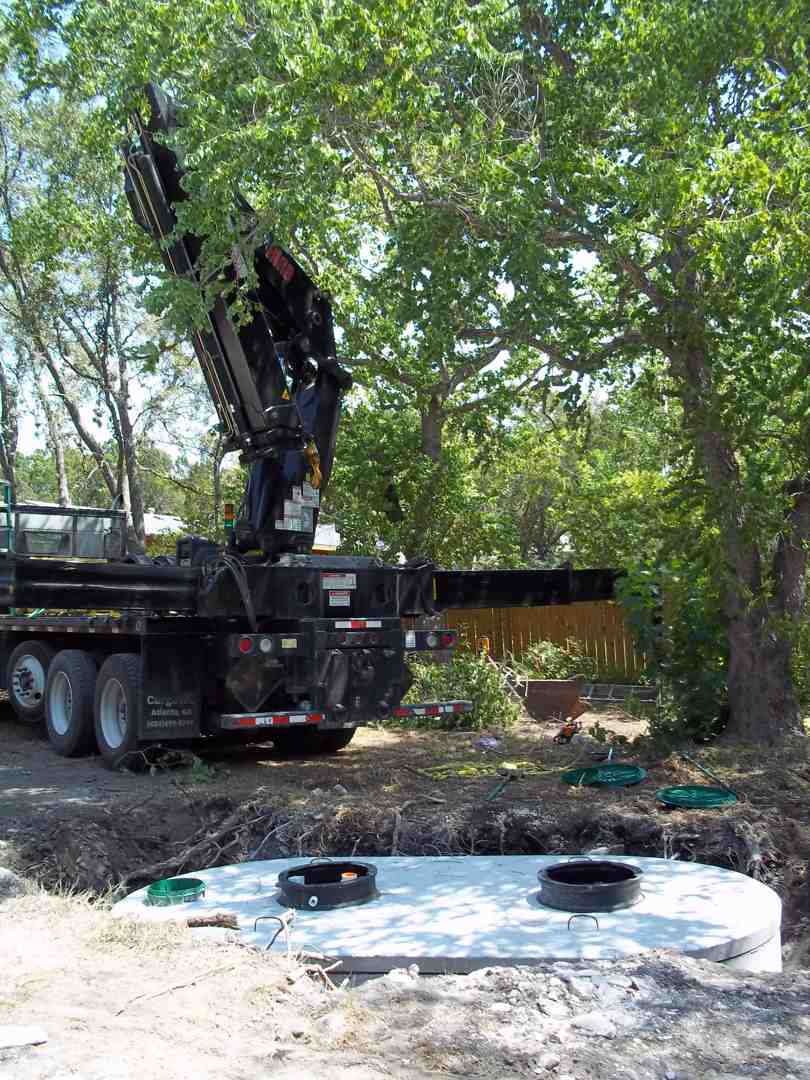
When comparing the upfront investments, the cost difference conventional vs aerobic system is immediately apparent. An aerobic system is a significantly larger initial investment, often costing double or even triple what a conventional system does.
Why is there such a massive gap? It comes down to equipment, complexity, and installation labor:
• Equipment and Materials: A conventional system consists of a concrete tank, some PVC piping, and gravel or plastic chambers for the drain field. An aerobic system requires multiple specialized tanks, an air compressor, a high-pressure effluent pump, a complex electrical control panel with audible and visual alarms, and spray sprinkler heads or subsurface drip tubing.
• Electrical Infrastructure: Installing an aerobic system is not just a plumbing job; it is an electrical one too. A licensed electrician must run dedicated circuits from your home’s main breaker panel to the septic control panel to power the aerator, pump, and alarm systems. This adds a layer of installation complexity that conventional systems simply do not share.
• Design and Permitting: Because aerobic systems are highly engineered, local regulatory bodies (such as county environmental health departments operating under TCEQ guidelines) require detailed design plans from a registered sanitarian or professional engineer. The permitting fees and site evaluation processes are also more intensive and costly than those for a standard gravity system.
For a deeper dive into these initial financial considerations, take a look at our Conventional vs Aerobic Septic Guide 2026. If you find yourself getting lost in the terminology of tanks, lateral lines, and aerators, we have also compiled a helpful dictionary in our article, Septic System Jargon Defined Standard vs Aerobic Systems.
While the upfront cost gap is substantial, the ongoing financial commitment is where the cost difference conventional vs aerobic system truly makes itself felt over time.
A conventional system is highly forgiving. It has no moving parts, uses no electricity, and requires very little active maintenance. Your primary ongoing expense is having the tank professionally pumped out every three to five years to remove accumulated solids. Aside from keeping heavy vehicles off your drain field and watching what you flush down the drain, a standard system is largely "out of sight, out of mind."
Aerobic systems, on the other hand, require continuous, hands-on management. They are active mechanical systems that depend on electricity to run twenty-four hours a day, seven days a week. You will see a modest but steady increase in your monthly utility bills to power the air compressor. Additionally, you must regularly purchase disinfection supplies — typically septic-specific chlorine tablets (never pool chlorine!) — to ensure the sprayed effluent is safe and pathogen-free.
Mechanical wear and tear is another factor. The components that make an aerobic system work so well also have limited lifespans:
• The Air Compressor (Aerator): This hard-working pump runs constantly to keep the bacteria alive. Depending on the brand and environmental conditions, it will generally need to be rebuilt or replaced every few years.
• The Effluent Pump: This submersible pump pushes the treated water out to your sprinklers or drip field under high pressure. It operates in a wet, harsh environment and will eventually require replacement.
• Sprinkler Heads and Float Switches: These smaller mechanical parts are prone to clogging, physical damage from lawnmowers, or electrical failure over time.
To understand how these mechanical components operate and why they require regular attention, read our breakdown in Aerobic Systems Decoded. For a broader discussion on which approach makes the most sense for different budgets, check out Whats Better Conventional Septic or Aerobic.
In Texas, the Texas Commission on Environmental Quality (TCEQ) regulates On-Site Sewage Facilities (OSSF). For aerobic systems, state law is very clear: because these systems spray treated wastewater onto the surface of the ground, they pose a potential public health risk if they malfunction.
As a result, most Texas counties require aerobic system owners to maintain an active, licensed maintenance contract at all times. These contracts typically dictate that a licensed professional inspect the system three times a year (every four months). During these routine visits, the technician will:
• Check the air compressor pressure and clean the air filter.
• Test the control panel alarms and float switches.
• Measure the sludge levels in the tanks to determine when pumping is needed.
• Verify the chlorine residual and ensure the disinfection system is working.
• Check the spray pattern of the sprinkler heads.
This mandatory service agreement is a recurring, lifelong expense for aerobic system owners. If you let your contract lapse, you can face fines and legal notices from your local county environmental office. Conventional systems have no such regulatory mandate for ongoing service contracts, representing a massive long-term cost savings.
Because a conventional system operates entirely via gravity, a power outage has zero effect on its ability to treat wastewater. You can wash dishes and flush toilets during a multi-day storm without worrying about your septic system backing up (assuming your home still has water pressure).
With an aerobic system, electricity is the lifeblood. The air compressor must run continuously to keep the oxygen levels high enough for the aerobic bacteria to survive. If you experience an extended power outage lasting more than twenty-four to forty-eight hours, the oxygen in the aeration chamber will be depleted. The beneficial aerobic bacteria will begin to die off, and the system will revert to a less efficient anaerobic state.
Furthermore, once power is restored, the sudden surge of water and lack of active treatment can trigger system alarms. To mitigate this, some homeowners choose to wire their aerobic system's compressor and pump circuits into a home backup generator, adding another layer of consideration to their home electrical planning.
Now, you might be thinking, "If conventional systems are so much cheaper to install and maintain, why would anyone ever choose an aerobic system?"
The truth is, for many homeowners in our Central Texas service areas — including Boerne, Bulverde, Spring Branch, Helotes, and San Antonio — the choice is made for them by the land itself. You cannot simply choose the system you want; your soil, lot size, and local geology dictate what can legally and practically be installed.
Before any septic permit is issued, a licensed site evaluator must perform a soil evaluation and a percolation (perc) test. This test measures how quickly water drains through your soil.
• Clay Soils: Much of the San Antonio and surrounding Central Texas region (such as the Blackland Prairie corridor) is dominated by tight, expansive clay soils. Clay particles are incredibly small and pack tightly together, meaning water drains through them very slowly. If you try to put a conventional drain field in heavy clay, the wastewater will pool in the trenches, back up into your home, or break through the surface of your yard.
• Shallow Limestone Bedrock: In the Texas Hill Country — areas like Boerne, Bulverde, and Fair Oaks Ranch — you don't have to dig very deep before hitting solid limestone. Conventional drain fields require several feet of good, permeable soil beneath the lateral lines to naturally filter out pathogens before the water reaches the groundwater table. If you only have twelve inches of soil over solid rock, a conventional system is a safety hazard and will not be permitted.
• The Edwards Aquifer Recharge Zone: Protecting our drinking water is a massive priority in Central Texas. If your property sits on the Edwards Aquifer Recharge Zone, local regulations are incredibly strict. Because conventional effluent still contains high levels of contaminants when it leaves the tank, it is not permitted in these sensitive zones. Aerobic systems, which treat wastewater to a near-potable level before discharging it, are often mandated to prevent aquifer contamination.
• Lot Size and Setbacks: Conventional drain fields require a large, dedicated footprint of undisturbed soil. If you are building on a smaller lot (such as a half-acre subdivision lot in Timberwood Park or Hollywood Park), you simply may not have enough physical space to meet the strict setback requirements from property lines, water wells, and your home’s foundation. Because aerobic spray systems utilize the surface of your lawn for disposal, they have a much smaller physical footprint.
We cover this reality in depth in our article, Debunking Myths All New Septic Systems Must Be Aerobic. If you are wondering whether it is time to transition your property, you will find valuable insights in When and Why to Replace a Standard System with an Aerobic System.
To help you weigh your options (or understand the system you are required to install), let's look at the clear advantages and disadvantages of each technology. You can read more about the unique benefits of aerobic technology in our Aerobic Septic System Benefits Guide and explore the 4 Advantages of Aerobic Septic Systems.
• Pros:
— Financial Peace of Mind: Lowest initial installation cost and minimal ongoing operational expenses.
— Ultimate Reliability: No moving parts, no electrical components to burn out, and zero dependency on the power grid.
— Low-Maintenance Lifestyle: No monthly chemical additions or mandatory quarterly inspection contracts required by the state.
— Long Lifespan: With proper maintenance and regular pumping, a high-quality concrete conventional tank can easily last thirty years or more.
• Cons:
— Strict Soil Requirements: Cannot be installed in heavy clay, rocky terrain, or areas with high water tables.
— Massive Footprint: Requires a large, clear area of land for the drain field where you cannot plant trees, build structures, or park vehicles.
— Lower Treatment Quality: Effluent is only partially treated in the tank; the soil must do the heavy lifting of filtration, increasing the risk of groundwater pollution if the system fails.
• Pros:
— Unmatched Versatility: Can be installed on almost any property, regardless of bad soil, solid rock, steep slopes, or tight space constraints.
— Superior Environmental Protection: Produces highly treated, disinfected effluent that meets municipal wastewater standards, protecting local aquifers and streams.
— Lawn Irrigation Benefit: The treated water can be recycled to irrigate your lawn, saving you money on your water bill during dry Texas summers.
— Smaller Footprint: Requires significantly less drain field area than conventional gravity systems.
• Cons:
— Higher Cost of Ownership: Higher upfront installation costs, ongoing electrical usage, and mandatory maintenance contracts.
— Mechanical Vulnerability: Relies on pumps, compressors, and control panels that will eventually wear out and require professional replacement.
— Power Dependent: Will fail to treat wastewater properly during extended electrical outages if backup power is not available.
— Active Management Required: Homeowners must regularly add chlorine disinfectant and address system alarms promptly to avoid environmental hazards.
No. Septic systems are strictly regulated by local permitting authorities (such as county environmental health departments) acting under the authority of the Texas Commission on Environmental Quality (TCEQ). If your site evaluation, soil percolation test, or property location (such as being within the Edwards Aquifer Recharge Zone) indicates that your soil cannot safely support a conventional drain field, the county will not issue a permit for a conventional system. Attempting to install one anyway is illegal, can lead to heavy fines, and will prevent you from selling your home in the future.
Both systems can last between twenty and thirty-plus years, but their components age very differently. The concrete tanks of both systems are incredibly durable and can last for decades. However, a conventional system has no mechanical parts, meaning its main failure point is the gradual clogging of the drain field soil over thirty years.
An aerobic system's physical tanks will also last decades, but its mechanical components — the air compressor and effluent pump — have much shorter lifespans, typically requiring rebuilds or replacements every five to ten years. Regular professional maintenance is key to maximizing the lifespan of both systems.
Only for a limited time. When the electricity goes out, the air compressor stops pumping oxygen into the aeration chamber. Within twenty-four to forty-eight hours, the aerobic bacteria will begin to suffocate and die off. While wastewater will still flow into the tanks, it will not receive proper treatment.
Furthermore, because the effluent pump requires electricity to spray the water out of the pump tank, the tank will eventually fill up. If you continue to use water heavily during a prolonged outage, the system will trigger a high-water alarm (once power returns) or physically back up. During power outages, water usage should be kept to an absolute minimum.
Navigating the cost difference conventional vs aerobic system can feel overwhelming, but you do not have to make these decisions alone. Whether you are building a new home in Boerne, upgrading an older system in Spring Branch, or dealing with a failing system in San Antonio, the most critical step you can take is to partner with an experienced, licensed professional.
At Van Delden Wastewater Systems, we have been serving Central Texas homeowners since 1937. As a family-owned business, we pride ourselves on our honesty, our quality of work, and our commitment to customer education. Our technicians are background-checked, fully licensed, and strictly non-commissioned — meaning we will never upsell you on a system you do not need. We provide detailed service forms and photo documentation for every job so you know exactly what is happening under your lawn.
Whether your property is suited for a simple, reliable conventional system or requires a highly engineered aerobic treatment unit, we are here to guide you every step of the way.
Are you ready to take the guesswork out of your septic installation or maintenance? Contact us today to schedule a professional site evaluation with our team of Central Texas experts!

Peter was personable, professional and thorough. Highly recommend Van Delden. You might be able to find a cheaper company but not better!
On time. 100% professional, knowledgeable, and courteous. Very helpful and straightforward. That is the bar all businesses should strive for.
It has been a pleasure working with your company. Not only did y’all communicate very well but your workers were always polite! Thank you!
“I thank Van Delden for such prompt service. Honest people are hard to come by these days. I will certainly recommend Van Delden to anyone! Jesse is an upstanding young man and very nice to talk to. I thank everyone at Van Delden for taking such good care of me.”
This is just a note to thank you for explaining the problem with my system. You didn’t have to be so kind and I appreciate your good business ethics and time spent. In the future you will have mine in return!