Aerobic Septic System Maintenance: Advanced Troubleshooting and Climate Preparation
What causes aerobic septic systems to fail in extreme heat? Apply these home maintenance tips and troubleshooting steps to protect your property this summer.
A sluggish wastewater setup is frustrating enough, but when you combine those mechanical issues with Denver's intense summer heat waves, finding the right home maintenance tips and troubleshooting strategies becomes a matter of protecting your property from catastrophic failure. The core challenge for homeowners with exterior wastewater systems is identifying exactly which parts of the landscape drainage system require active professional optimization versus passive homeowner protection. Making this distinction early is the difference between a system that runs efficiently through a scorching July and one that suffers compressor burnouts and dried-out drain fields.
Because these systems rely on a delicate balance of biology and mechanics, preparing them for peak-heat temperature spikes requires a proactive approach. Mid-summer is the critical time to inspect, ventilate, and adjust aeration lines as household water usage typically increases. At Van Delden Wastewater Systems, our team consistently sees that addressing these complex needs while the weather is warm sets a foundation for uninterrupted service. Whether you are dealing with traditional septic systems or a specialized aerobic system with spray irrigation, establishing a systematic, time-tested protocol now ensures your equipment survives the harshest seasonal loads.
The Problem: Aerobic bacteria are the engine of your wastewater treatment system, and they thrive in warm weather. However, this increased biological activity requires significantly more oxygen. When peak summer heat sets in, bacterial digestion accelerates, demanding maximum output from your aeration compressor—often while the compressor itself is battling high ambient temperatures.
The Cause: The biological reality of warm wastewater is that it forces bacteria into overdrive. At optimal summer temperatures, bacteria rapidly consume organic matter, which depletes oxygen levels faster than usual. As ambient temperatures soar during Denver's July heat waves, the mechanical components—specifically the aeration compressor—must work harder and run hotter to maintain those critical oxygen levels. This places immense energy demands and heat stress on the entire chamber, increasing the risk of mechanical failure.
The Solution: The most effective way to combat this peak-load stress is through vigilant monitoring and proactive system adjustments. Ensuring that your compressor is well-ventilated, its filters are clean, and the system is operating efficiently under load helps maintain a stable internal environment. If you notice a drop in treatment quality or unusual odors as the summer heats up, scheduling professional aerobic system repair and evaluation can correct minor imbalances before they escalate into compressor failure and subsequent bacterial die-off.
Protecting your aerobic septic system from extreme summer temperatures requires a clear understanding of what you can do safely and what requires a licensed professional. Confusing these two categories often leads to unintended system damage.
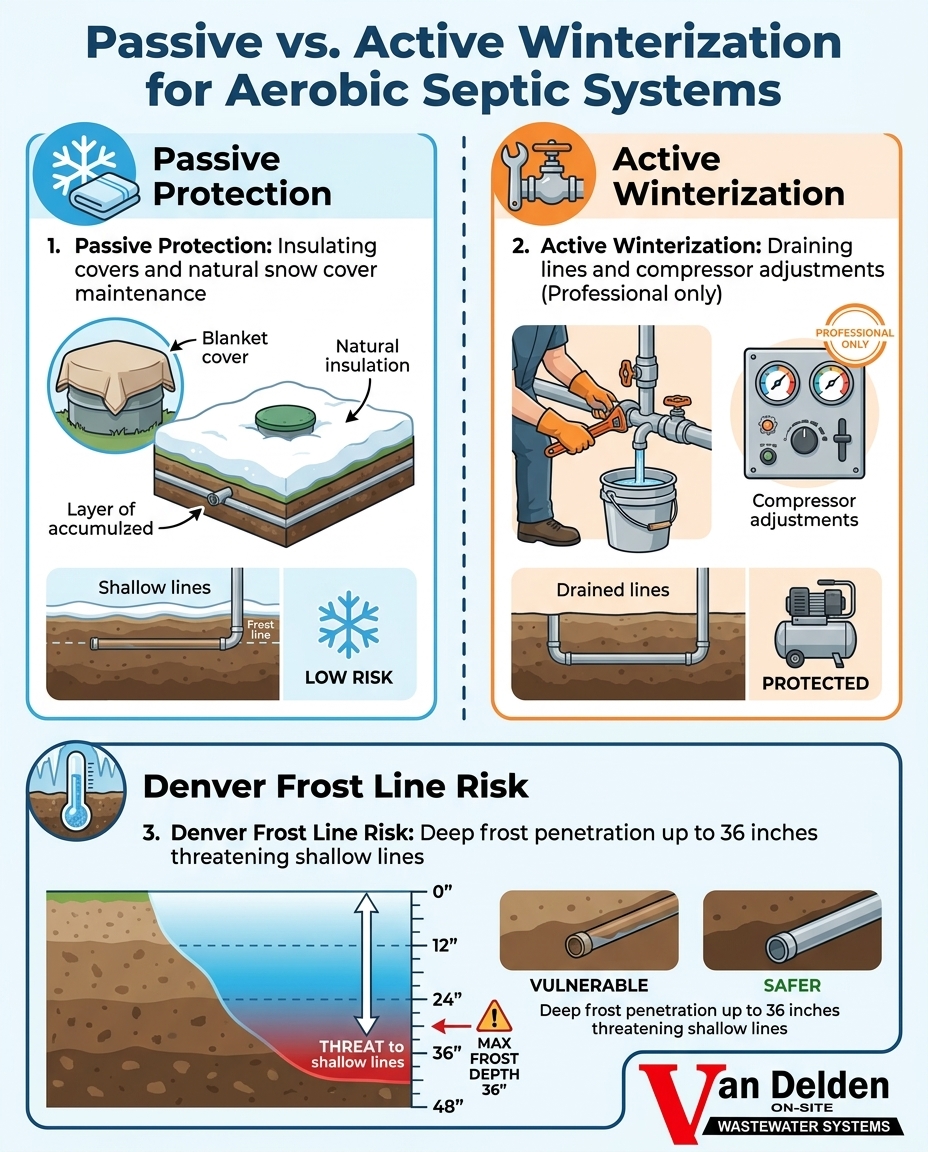
Passive protection involves homeowner-safe steps that utilize natural landscaping to keep the system shaded and functioning. For example, maintaining tall, natural ground cover over your spray field is highly effective. Proper grass cover shades the soil, preventing it from baking in the sun and losing its absorption capacity. Conversely, heavy mower traffic over dry, brittle ground can damage shallow pipes. Adding shade structures or ensuring proper ventilation around exposed compressor housings is another safe, passive measure.
Active summer optimization, on the other hand, involves mechanical adjustments to the system's operation. This includes calibrating compressor airflow, cleaning vital intake filters, and reconfiguring spray heads to operate during cooler nighttime hours to prevent rapid evaporation. Active optimization steps require a licensed professional and should never be attempted as a DIY project. Modifying compressor settings or altering spray timers without technical expertise can cause immediate system failure or environmental contamination.
• Passive Protection — Specific Actions: Maintaining tall vegetative grass cover over the spray field during peak summer. — Who Should Perform This: Homeowner — Risk of Improper Execution: Low risk; promotes natural soil shading and prevents baking.
• Passive Protection — Specific Actions: Keeping heavy lawn equipment off the drain field to prevent soil compaction. — Who Should Perform This: Homeowner — Risk of Improper Execution: Low risk; mainly involves avoiding traffic over the system area.
• Active Optimization — Specific Actions: Adjusting spray irrigation timers for nighttime or early morning distribution. — Who Should Perform This: Licensed Professional — Risk of Improper Execution: High risk; improper timer settings can lead to rapid evaporation and surface pooling.
• Active Optimization — Specific Actions: Calibrating aeration compressors and cleaning intake filters for high-heat operation. — Who Should Perform This: Licensed Professional — Risk of Improper Execution: High risk; incorrect oxygen levels or restricted airflow will cause compressor burnout.
Understanding this boundary is crucial. Once you have applied passive shading and ensured the area is free from heavy traffic, your role in troubleshooting ends. Rely on an expert for all mechanical summer optimization.
In our experience serving Denver homeowners, everyday aerobic system troubleshooting often begins with identifying clogs and slow drainage before peak summer usage makes them significantly worse. With kids home from school and increased laundry loads, a minor blockage in June can become a catastrophic overflow by July if left unaddressed. Identifying the early warning signs is the first step toward resolution.
The most common indicators of a developing blockage include slow drainage in kitchen cleanout pipes, gurgling sounds from lower-level plumbing fixtures, or unexpected system alarms triggered by high water levels in the pump tank. When these symptoms appear, the system requires targeted professional intervention.
Here is the standard professional process technicians use for resolving these blockages safely:
1. System Assessment: A technician evaluates the control panel alarms and checks the fluid levels in the trash tank and clarifier to isolate the location of the blockage.
2. Targeted Pumping: If the primary tank is over capacity, the technician performs a complete pump-out to relieve pressure on the incoming plumbing lines.
3. Line Clearing: Specialized hydro-jetting or mechanical snaking is used to clear specific obstructions in the inlet or outlet baffles.
4. Flow Verification: Water is run through the home's fixtures to ensure the cleanout pipes are draining at the correct velocity.
Resolving these issues quickly is essential. In a recent summer service call, our technicians encountered a system with a severe blockage causing noticeable slow drainage inside the home. The team promptly pumped the tank and used targeted hydro-jetting to clear a stubborn clog in the kitchen cleanout pipe. The blockage was cleared safely, fully resolving the slow drainage issue and restoring normal flow. Regular maintenance of your septic tanks during these high-demand months ensures that your pipes remain clear and free-flowing.
One of the most vulnerable components of an aerobic system is the surface application mechanism. During Denver's peak summer heat, shallow irrigation lines and exposed spray heads face direct threats from intense UV radiation and shifting, dry soils.
The Physics of Summer Stress: When the ground experiences prolonged drought, the soil retracts and shifts. This movement exerts immense physical pressure on buried rigid PVC piping. Furthermore, the delicate plastic spray head nozzles exposed to the July sun can suffer from UV degradation, becoming brittle over time. When combined with the pressure of daily spray cycles, these weakened components can easily crack or shatter, leading to localized pooling and uneven effluent distribution.
The Inspection Process: Protecting these lines requires a meticulous inspection process. Professionals verify that all spray heads are structurally sound, free of UV-induced micro-cracks, and properly adjusted to distribute effluent evenly over the absorption area. They also check the timers to ensure spraying occurs during cooler hours, maximizing soil absorption and minimizing evaporation.
The Importance of Timing: Mid-summer is the absolute best time to evaluate and repair these shallow lines. By adjusting the spray schedules and replacing brittle heads during peak summer, you eliminate the risk of hydraulic failure and ensure your lawn safely processes the treated wastewater.
The Problem: While protecting the mechanical components from heat is vital, managing the landscape around your aerobic system is equally important. Denver is notorious for sudden, intense afternoon summer thunderstorms, which can interact dangerously with dry, baked soil absorption areas.
The Cause: During extended dry spells, the top layers of soil in the spray field can become hydrophobic, significantly reducing the ground's permeability. When rapid, heavy rainfall occurs, it creates a sudden, massive influx of surface water. Because the baked soil cannot instantly absorb both the storm runoff and the daily dose of treated effluent from your aerobic system, it creates a condition known as hydraulic overload, where the surface application area becomes a swampy, unsanitary mess.
The Solution: Preventing hydraulic overload requires strategic landscape drainage management. Diverting excess roof runoff, driveway drainage, and natural yard slopes away from the primary absorption field is essential. By ensuring that natural storm precipitation drains away from the septic spray area, you reserve the soil's absorption capacity strictly for the treated wastewater. Additionally, maintaining proper, deep-rooted vegetative cover during the summer aids in transpiration—the process where plants draw moisture from the soil and release it into the air—keeping the drain field functioning optimally.
Given the mechanical complexities of aeration chambers, spray heads, and bacterial management under high heat, routine professional oversight is the only proven way to extend the lifespan of your system. A comprehensive professional inspection goes far beyond a simple visual check; it is a rigorous, step-by-step evaluation of every component, from the initial trash tank to the final clarifier and pump chamber.
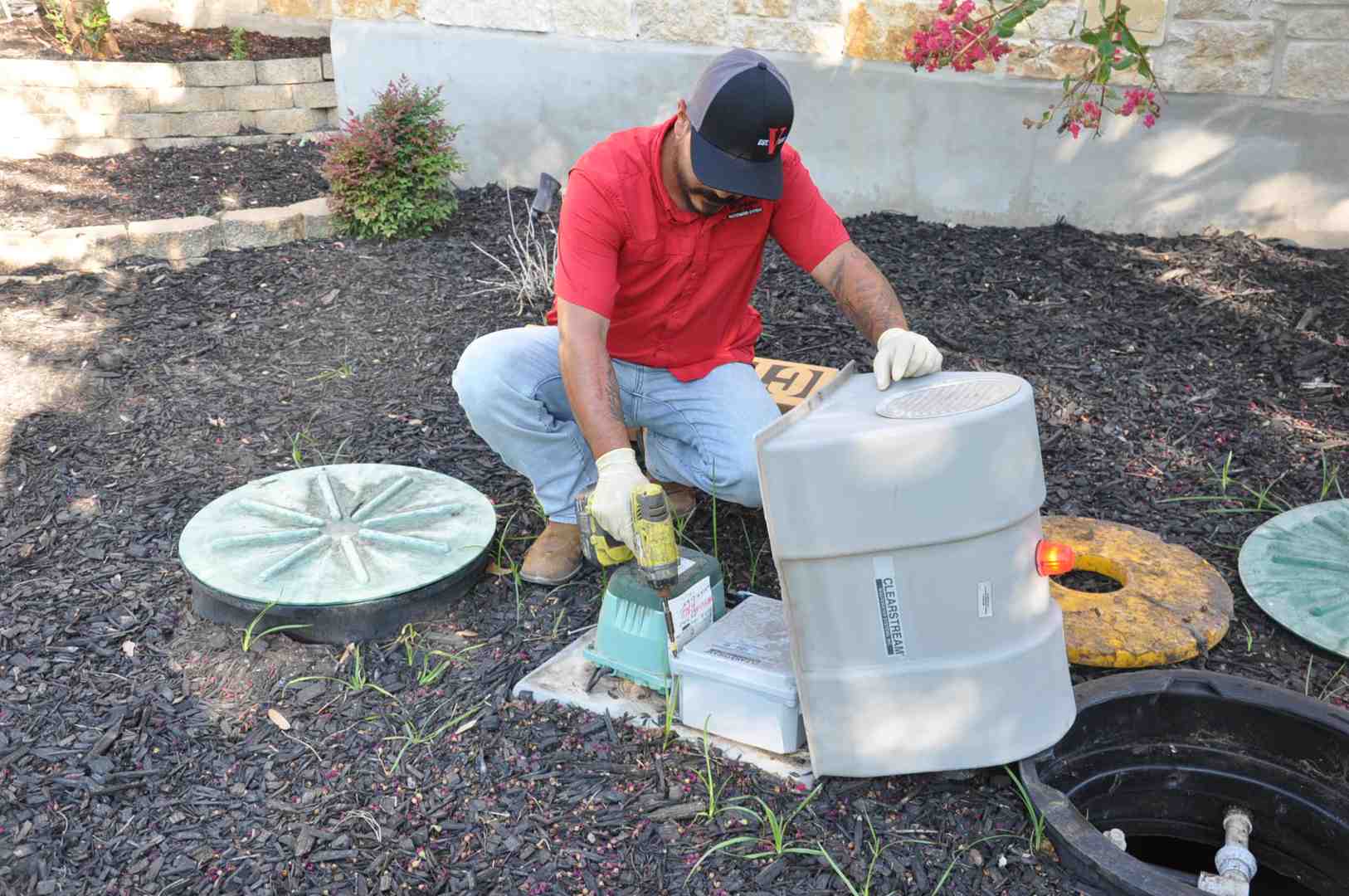
During a thorough inspection, technicians measure sludge and scum levels, replace the compressor air filters that easily clog with summer dust, verify the pump's electrical draw under high-heat conditions, and test the safety alarms. More importantly, highly trained technicians prioritize clear communication. They thoroughly explain the process step-by-step, ensuring you understand how your increased summer water usage impacts the biological health of the tanks. For example, during a routine visit with a first-time septic system owner, one of our inspectors took the time to thoroughly explain the entire treatment process and answered all operational questions, establishing a baseline of trust for future maintenance.
Leveraging our long-standing history as a family-owned septic company serving the community since 1937, the team at Van Delden Wastewater Systems provides unmatched peace of mind. Regular, documented inspections not only prevent peak-season emergencies but also ensure your system remains in strict compliance with local environmental and health regulations. If you are unsure of your system's current condition to handle the summer load, it is always wise to schedule a septic consultation today.
Yes, an aerobic septic system can experience heat stress, particularly its mechanical components. The aeration compressor works continuously and can overheat if ambient temperatures are high and ventilation is poor. Additionally, extreme heat accelerates bacterial activity, which demands more oxygen and puts further strain on the system.
Summer optimization requires a combination of homeowner passive protection and professional active calibration. Passive care involves maintaining natural grass cover over the drain field to prevent soil baking. Active optimization, which must be performed by a professional, includes cleaning compressor air filters, checking electrical draws, and adjusting spray timers for cooler nighttime operation.
In hot weather, bacterial digestion inside the aeration chamber accelerates significantly. Aerobic bacteria metabolize waste very rapidly in warm wastewater. While this increases treatment speed, it also rapidly depletes oxygen levels, meaning your compressor must function perfectly to keep the bacteria alive and prevent foul odors.
An aerobic system requires more frequent inspections than a traditional anaerobic septic tank, typically every four to six months. Because it relies on mechanical parts like air compressors and water pumps, regular check-ups are mandatory. July is generally an ideal time for evaluating compressor health, checking sludge levels, and adjusting spray heads for peak summer efficiency.
Preparing your system in mid-summer ensures that mechanical components can handle peak household water usage and high ambient temperatures. Proactive maintenance eliminates airflow restrictions in the compressor and prevents hydraulic overload in the drain field, stopping minor issues from turning into major summer backups.
Protecting your property from the severe impacts of Denver's peak summer heat requires a clear, structured approach to system maintenance. By understanding the critical differences between passive shading and professional active optimization, you can confidently navigate the seasonal demands. Addressing complex mechanical needs—like compressor calibration, timer adjustments, and blockages—during these high-usage months is the most reliable way to prevent catastrophic emergencies. Take the time now to explore professional consultation options, ensuring your wastewater system operates efficiently and safely all summer long.

Peter was personable, professional and thorough. Highly recommend Van Delden. You might be able to find a cheaper company but not better!
On time. 100% professional, knowledgeable, and courteous. Very helpful and straightforward. That is the bar all businesses should strive for.
It has been a pleasure working with your company. Not only did y’all communicate very well but your workers were always polite! Thank you!
“I thank Van Delden for such prompt service. Honest people are hard to come by these days. I will certainly recommend Van Delden to anyone! Jesse is an upstanding young man and very nice to talk to. I thank everyone at Van Delden for taking such good care of me.”
This is just a note to thank you for explaining the problem with my system. You didn’t have to be so kind and I appreciate your good business ethics and time spent. In the future you will have mine in return!