What to Do About Foul Odors From Your Septic System
If you're dealing with foul odors from your septic system, here's what to do right away:
1. Run water in all drains — refill dry P-traps, especially in guest bathrooms and floor drains
2. Check your roof vent stack — look for debris, bird nests, or ice blocking the pipe
3. Inspect tank lids and inspection port covers — cracks or missing seals let gas escape
4. Reduce water use for 24–48 hours — this helps if your drainfield is saturated
5. Check when your tank was last pumped — if it's been more than 3–5 years, it may be overdue
6. Call a professional — if odors persist after the steps above, a licensed technician can diagnose structural issues like broken baffles or drainfield failure
That rotten egg smell coming from your yard or bathroom isn't just unpleasant — it's a signal that something in your septic system needs attention. Septic systems produce gases like hydrogen sulfide and methane as part of the natural waste breakdown process. When the system is working correctly, those gases vent safely through your plumbing vent stack above the roofline. When they don't, they find another way out — and you'll know it immediately.
The good news is that most septic odor problems have a clear cause and a straightforward fix. Some you can handle yourself in minutes. Others require a professional. This guide walks you through both.
What Causes Foul Odors From Your Septic System What to Do First
To effectively resolve a stinky situation, we must first understand how these odors develop. A septic tank is a living biological ecosystem. Within the tank, beneficial anaerobic bacteria work around the clock to break down organic waste, paper, and solids. As a byproduct of this natural digestion, the bacteria produce several gases, including hydrogen sulfide (which carries that distinct "rotten egg" smell), carbon dioxide, ammonia, and methane (which is odorless but highly flammable).
Under normal conditions, a healthy, airtight septic system keeps these gases contained and routes them safely away from your living spaces. However, when the system's balance is disrupted, or when mechanical components wear down, these gases escape. For homeowners experiencing Foul Odors From Your Septic System in Shavano Park, the priority is identifying whether the issue is biological, mechanical, or structural.
When you first notice a smell, do not panic. Start by tracing the location of the odor. Is it concentrated inside a specific bathroom? Is it lingering in your backyard near the tank or the drainfield? Or is it a generalized drift across your property? Pinpointing the exact location of the smell is the most critical diagnostic step. If you are Dealing With Sewer Gas Odors, separating indoor plumbing issues from outdoor septic tank malfunctions will save you time, frustration, and unnecessary service calls.
Diagnosing Foul Odors From Your Septic System What to Do Indoors
If the foul odor is inside your home, the issue is almost always related to your home's internal plumbing network rather than a catastrophic failure of the underground septic tank itself.
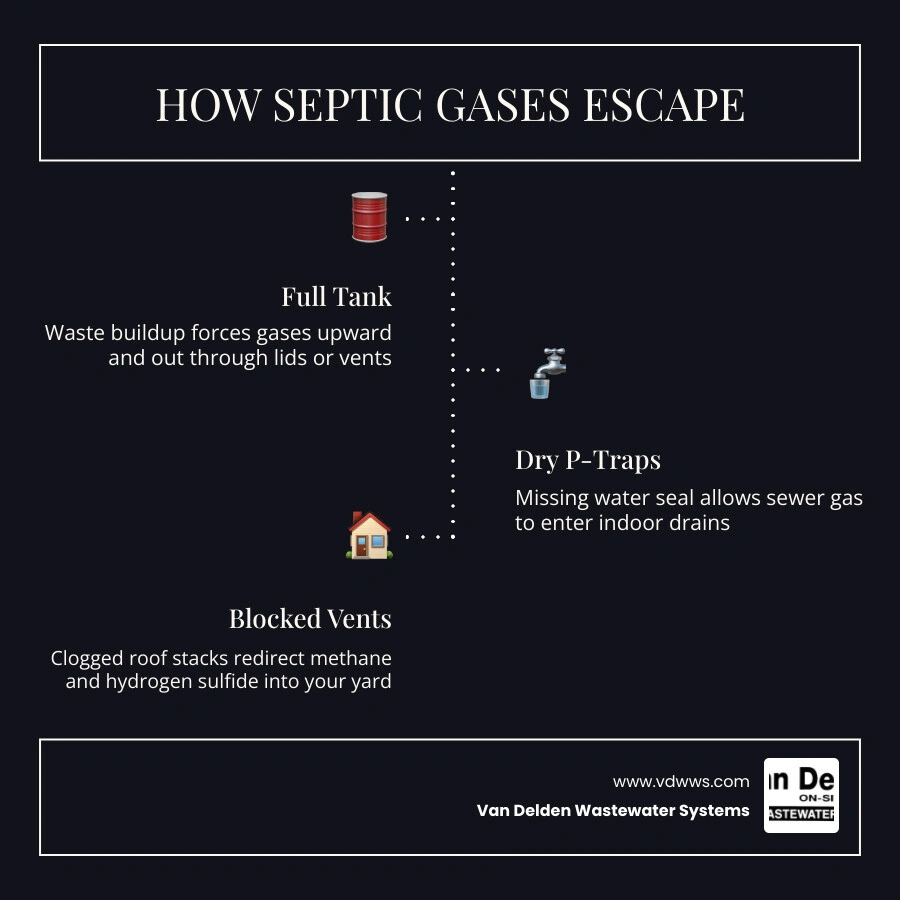
• Dry P-Traps: This is the single most common cause of indoor sewer smells. Every sink, shower, tub, and floor drain in your home features a curved pipe underneath called a P-trap. This curve is designed to hold a small pool of water permanently, creating a physical barrier that prevents sewer gases from rising back up the pipe into your home. If you have a guest bathroom, a basement drain, or a utility sink that is rarely used, the water in the P-trap can slowly evaporate. When the water barrier is gone, gases flow freely into your living space. To fix this, simply run water down every drain in your house for 30 seconds to refill the traps.
• Blocked Plumbing Vents: Your plumbing system relies on a vent stack—usually a 3-to-4-inch pipe that extends through your roof—to equalize pressure and allow sewer gases to vent safely into the atmosphere. If this vent becomes blocked by a bird's nest, leaves, or winter ice caps, the trapped gases will build up pressure. Eventually, they will push past the water in your P-traps, causing gurgling sounds in your toilets and releasing foul smells indoors. If you suspect a clog, a visual inspection of the roofline is necessary.
• Failing Toilet Wax Rings: If the smell is highly localized around a specific toilet, check if the toilet wobbles when you sit on it. The wax ring underneath seals the connection between the toilet base and the sewer pipe. If this seal degrades or breaks due to a loose toilet, sewer gas will seep out from underneath the base. Replacing the wax ring and tightening the toilet bolts will resolve this issue.
For those with advanced systems, understanding Why Does My Aerobic System Smell is also vital, as aerobic setups rely on constant oxygenation to prevent anaerobic sewer gases from backing up through indoor lines.
Troubleshooting Foul Odors From Your Septic System What to Do Outdoors
When the unpleasant aroma is concentrated in your yard, the diagnostic process shifts to your outdoor septic components.
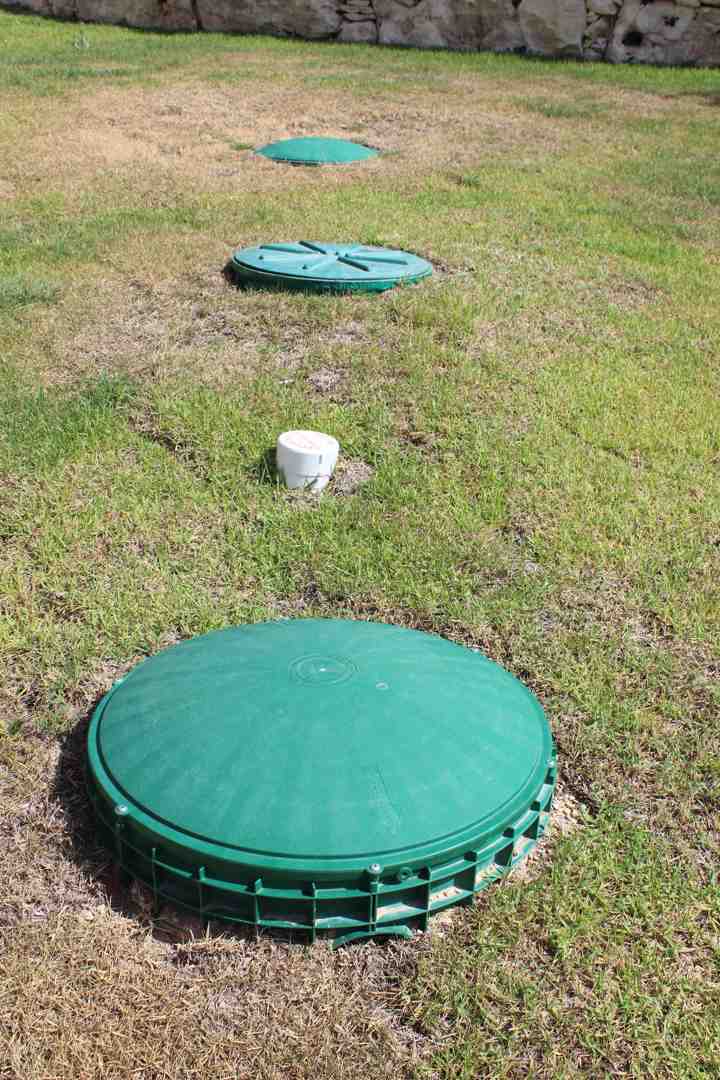
• Damaged or Unsealed Tank Lids: Over time, concrete tank lids can develop hairline cracks, and the rubber gaskets on modern plastic risers can degrade. If the lid is not completely airtight, heavy winds can draw sewer gases out of the tank and sweep them across your lawn.
• Loose or Missing Inspection Port Covers: The smaller access ports used by technicians to inspect your system must have tight-fitting caps. If a lawnmower has cracked a cover or if a cap is loose, gases will continuously drift upward.
• Drainfield Saturation: If you smell sewage directly over your drainfield (or leach field), look closely at the ground. Is the soil mushy? Is there standing, dark water? Is the grass over the lateral lines unusually bright green and lush compared to the rest of your yard? These are classic signs of a saturated drainfield. When the soil becomes waterlogged—either from excessive household water use, heavy rain, or a thick layer of biological buildup called "biomat" blocking the soil's pores—untreated effluent cannot filter downward. Instead, it rises to the surface, bringing foul smells with it.
To help pinpoint these outdoor issues, refer to a comprehensive What Causes Bad Smells From Aerobic System guide or check out our localized Septic System Odor Guide Waring TX to understand how local soil types and weather conditions impact outdoor system venting.
How to Eliminate and Prevent Septic Tank Odors
Eliminating septic odors requires a two-pronged approach: immediate corrective action to stop the smell, followed by consistent preventive maintenance to ensure it never returns. Septic system issues, including odors, affect approximately 20% of U.S. households with septic systems annually. Fortunately, maintaining a healthy bacterial balance and monitoring your system's physical condition can prevent the vast majority of these problems.
To help you decide whether to tackle an odor issue yourself or call in our team, we have put together this handy comparison table:
• Smell near guest bathroom sink — Likely Cause: Dry P-trap — Recommended Action: Run water for 30 seconds to refill trap — DIY vs. Professional: DIY (Fast & free)
• Odor outdoors near the tank lid — Likely Cause: Cracked lid or worn gasket — Recommended Action: Replace rubber seal or apply temporary weather stripping — DIY vs. Professional: DIY (or low-cost pro help)
• Odor outdoors after heavy rains — Likely Cause: Waterlogged drainfield — Recommended Action: Divert gutters, reduce indoor water usage — DIY vs. Professional: DIY (Initial mitigation)
• Gurgling pipes & slow drains — Likely Cause: Overfull septic tank — Recommended Action: Check records; schedule a professional pump-out — DIY vs. Professional: Professional
• Lush green grass & soggy soil — Likely Cause: Drainfield failure / Biomat clog — Recommended Action: Schedule a comprehensive system inspection — DIY vs. Professional: Professional
• Persistent smell near toilet base — Likely Cause: Broken toilet wax ring — Recommended Action: Pull toilet, replace wax ring, reinstall — DIY vs. Professional: DIY / Professional
One of the most effective ways to prevent outdoor odors is to ensure your tank is not overfull. Knowing the Signs Your Septic Tank Should Be Pumped is your best defense against major backups and the severe odors that accompany them.
Natural and DIY Methods for Odor Control
If you want to keep your septic system smelling clean without relying on harsh commercial chemicals, there are several safe, natural methods you can use:
• The Baking Soda Buffer: Baking soda (sodium bicarbonate) is a natural pH buffer. The beneficial bacteria in your septic tank thrive in a slightly alkaline environment with a pH between 6.8 and 7.6. When you use acidic cleaners or flush certain foods, the tank's pH can drop, killing off the bacteria and causing the system to stink. Pouring one cup of baking soda down your toilet or sink drain once a week helps neutralize acidity, keeping your bacterial colony happy and active.
• The Yeast Boost: Active dry yeast can help stimulate the breakdown of starches and organic waste in your tank. Flushing a single packet of dry yeast down the toilet once a month is a gentle, natural way to support waste decomposition.
• Strict Chemical Avoidance: The best "treatment" is often simply avoiding products that destroy your system's natural biology. Never pour bleach, antibacterial soaps, chemical drain openers, paint thinners, or heavy household cleaners down your drains. These chemicals act like a biological bomb, wiping out the beneficial bacteria and leading to rapid solid accumulation and intense odors.
When to Use Septic Treatments and Aerobic System Care
Over 21,403 customer reviews indicate that regular septic tank treatments help prevent expensive sewage backups and control odors, earning a 4.7 out of 5 stars rating from users who rely on them to maintain system health. However, it is important to use these products correctly.
Enzyme and Bacillus bacteria-based treatments can be highly beneficial when your system has suffered a "chemical shock"—such as after a family member takes a course of heavy antibiotics, or after accidental chemical exposure. These treatments introduce millions of active, waste-hungry microbes that quickly repopulate the tank, accelerating the breakdown of grease, proteins, and cellulose.
For homeowners with aerobic treatment units (ATUs), biological care is even more precise. Aerobic systems use an electric aerator pump to inject oxygen into the wastewater, allowing aerobic bacteria to digest waste much faster than traditional anaerobic systems. If you find yourself thinking, "Help My Aerobic System Smells," your first step should be checking the aerator pump. If the pump fails or loses power, the aerobic bacteria will die from a lack of oxygen, turning the system anaerobic and producing a powerful, sour odor almost overnight. Ensure your aerator is running constantly, and keep your chlorinator filled with septic-safe chlorine tablets as required by Texas regulations.
When to Call a Professional for Septic Odor Issues
While DIY troubleshooting can resolve minor issues like dry P-traps or loose caps, there are times when septic odors indicate a structural emergency that requires professional expertise. Trying to fix complex mechanical or structural problems yourself can lead to permanent system damage or expose you to hazardous gases.
You should contact us immediately if you experience any of the following:
• Odors Combined with Sluggish Drains Throughout the House: If every sink, shower, and toilet in your home is draining slowly or making gurgling noises, your septic tank is likely completely full of solids. Pumping the tank is the only way to resolve this.
• Sewage Backups: If raw sewage is backing up into your lowest-level drains (such as a basement shower or utility drain), this is a biological emergency. Avoid contact with the wastewater and call for professional help right away.
• Structural Tank Damage: Older concrete tanks are susceptible to cracked or collapsed baffles. Baffles are internal sanitary t-pipes that direct the flow of wastewater and prevent floating scum and solids from escaping into your drainfield. If a baffle breaks, solids will clog your lateral lines, leading to system failure and heavy outdoor odors. Replacing a broken baffle requires professional tools and safety gear.
• Drainfield Failure: If your yard has standing water, mushy soil, or a persistent sewage smell that doesn't go away after reducing water usage, your drainfield may have reached the end of its functional lifespan.
Recognizing early Septic Tank Warning Signs is key to avoiding catastrophic failures. If you are Having a Septic System Emergency Call a Professional Immediately to protect your home, health, and property. For residents in our local service areas, we provide prompt, reliable Emergency Septic Repairs in Boerne TX and the surrounding Hill Country communities.
At Van Delden Wastewater Systems, we have been serving South Texas homeowners since 1937. As a family-owned business, we believe in doing things the right way. Our honest, background-checked, and non-commissioned technicians are dedicated to educating you about your system. We never push unnecessary services, and we provide complete transparency through detailed service forms and photo documentation of every job.
Frequently Asked Questions About Septic Odors
Is breathing septic tank odor dangerous to my health?
Yes, breathing concentrated septic gases can be highly hazardous to your health. The primary culprit behind the rotten egg smell is hydrogen sulfide (H₂S). While H₂S is easily detectable by the human nose at incredibly low concentrations (as low as 0.5 parts per million), prolonged exposure or higher concentrations can cause "olfactory fatigue," meaning you lose the ability to smell the gas even though it is still present.
At moderate levels, hydrogen sulfide causes headaches, nausea, dizziness, and eye irritation. In high concentrations within enclosed spaces (like a septic tank, crawl space, or unvented basement), it can lead to unconsciousness and asphyxiation. Additionally, septic tanks produce methane gas, which is highly flammable and poses an explosion hazard in confined areas. Never enter or lean directly over an open septic tank, and always ensure indoor spaces are thoroughly ventilated if you detect sewer gas.
Why does my septic system smell worse after it rains?
It is common to notice a stronger septic smell outside after a heavy South Texas rainstorm. This happens for two main reasons:
1. Saturated Drainfield Soil: When heavy rainfall completely saturates the soil around your drainfield, the ground acts like a soggy sponge. The waterlogged soil cannot absorb the treated effluent coming from your tank. Because the water has nowhere else to go, it rises to the surface of your yard, carrying untreated sewer gases and wastewater odors with it.
2. Atmospheric Pressure Changes: Rainstorms are accompanied by low barometric pressure. This low atmospheric pressure can prevent sewer gases from rising and dispersing high into the air above your roof vent stack. Instead, the heavy, damp air traps the gases close to the ground, causing them to linger around your yard and patio.
If this happens, minimize your indoor water use (avoid running the washing machine or dishwasher) for 24 to 48 hours to give your drainfield time to dry out and recover.
Why is there a temporary smell after my tank is pumped?
If you notice a brief, localized septic smell immediately after your tank is pumped, do not worry—this is completely normal.
During a professional pump-out, the airtight seal of your tank is opened, allowing accumulated gases to escape into the surrounding air. Additionally, removing the waste stirs up the sludge layer, releasing trapped hydrogen sulfide. Once our technicians close and seal the lids, any lingering outdoor odors should naturally disperse within a few hours to a couple of days.
Indoors, a temporary smell can occur because pumping removes the active bacterial colony. As fresh wastewater enters the empty tank, gas production can temporarily spike while the bacterial population works to rebuild itself. Running a bit of water down your drains and allowing the system to rest for a day or two will resolve this temporary imbalance.
Conclusion
Dealing with foul odors from your septic system can be incredibly frustrating, but taking a systematic approach to troubleshooting will help you pinpoint the cause and get your home smelling fresh again. From simple DIY fixes like refilling a dry P-trap to professional solutions like a routine pump-out, taking prompt action prevents minor issues from turning into costly structural emergencies.
Since 1937, Van Delden Wastewater Systems has provided the highest level of expertise and honest service to homeowners across San Antonio, Boerne, Bulverde, Helotes, Shavano Park, and the surrounding areas. We believe in proactive care, quality workmanship, and educating our customers to ensure their systems run smoothly for decades.
If you are experiencing persistent odors or want to schedule a professional inspection to keep your system in peak condition, explore our comprehensive services on our /septic-tanks page or contact us today to speak with one of our experienced, non-commissioned technicians. Let us help you keep your backyard clean, safe, and odor-free!