Guide
To understand how pumping extends your septic system life, we first have to look at what is happening inside that large concrete or plastic box buried in your yard. As of May 2026, septic technology has become more efficient, but the fundamental physics remains the same: gravity and biology do the heavy lifting.
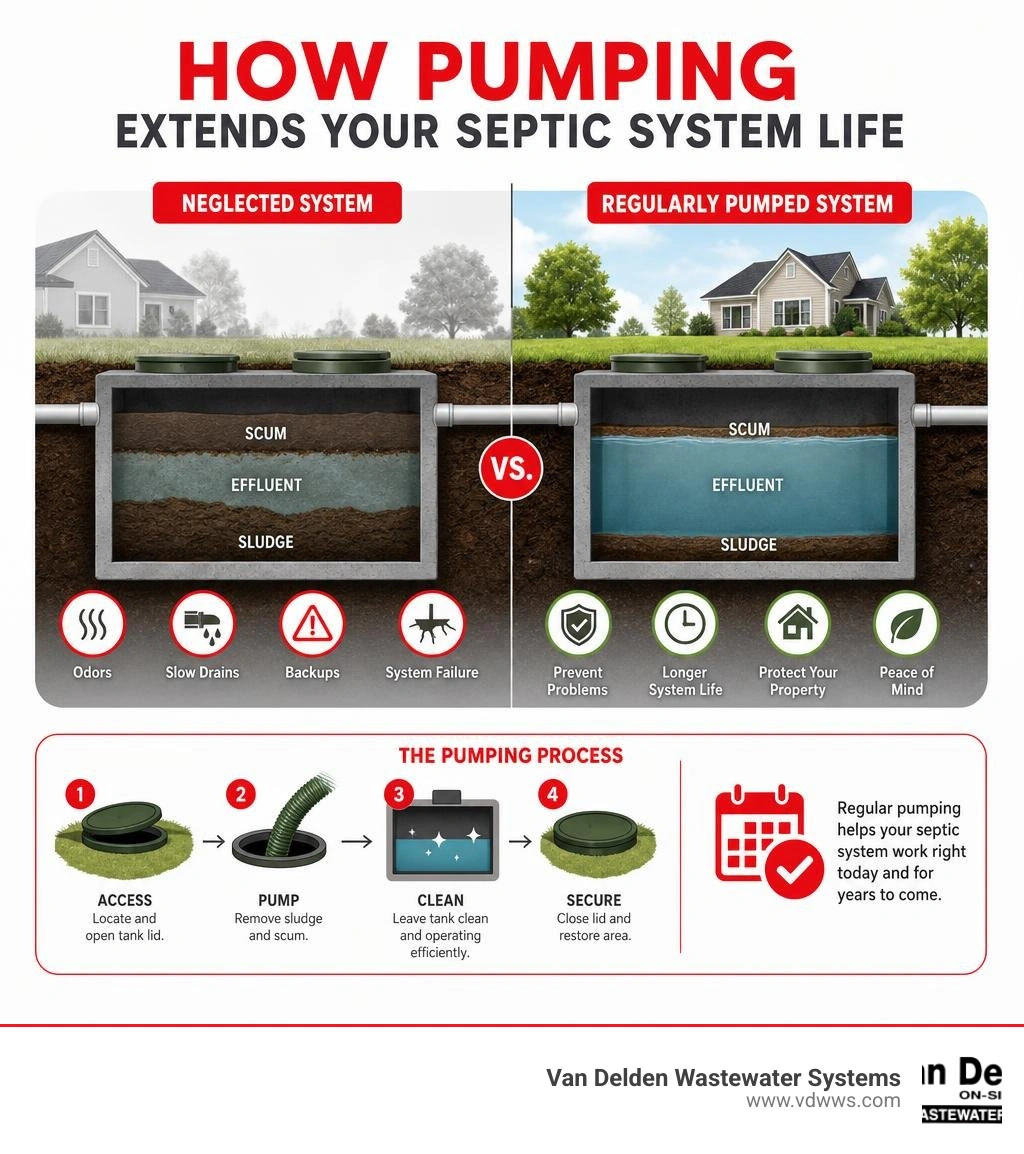
When wastewater leaves your home in San Antonio or Boerne, it enters the septic tank. Here, the mixture naturally separates into three distinct layers:
- The Scum Layer (Top): This consists of fats, oils, and greases (FOG) that float to the surface.
- The Effluent Zone (Middle): This is the relatively clear liquid layer that is destined to exit the tank and head toward the drainfield.
- The Sludge Layer (Bottom): This is composed of heavy solids that sink to the floor of the tank.
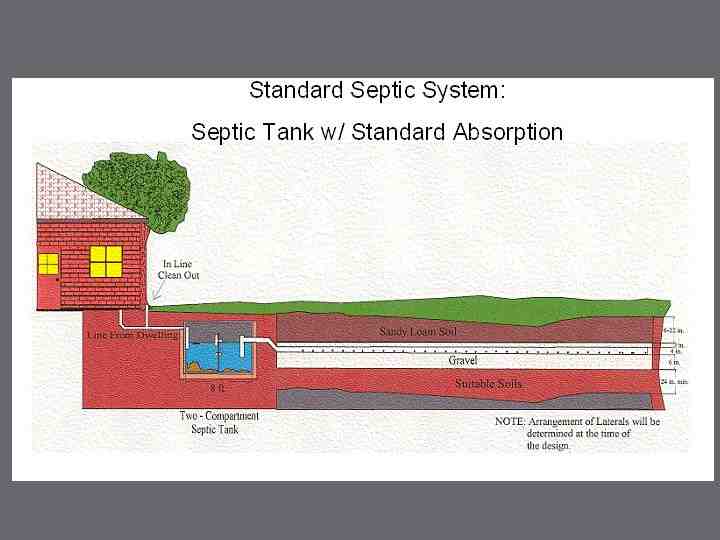
Inside the tank, anaerobic bacteria work tirelessly to break down organic matter. These microscopic helpers can actually transform up to 50% of the solids into liquids and gases. However, they can’t eat everything. Over time, the sludge and scum layers grow thicker, squeezing the middle effluent zone. If the tank isn't pumped, the "clear" zone becomes so small that solids don't have time to settle and are pushed out of the tank. This is where the real trouble begins.
For more info about septic tank cleaning, it is essential to realize that pumping isn't just "emptying the trash"—it's a reset button for the entire biological and physical ecosystem of your system.
How Pumping Extends Your Septic System Life by Preventing Drainfield Clogging
The most critical reason how pumping extends your septic system life is the protection of the drainfield. Think of your drainfield as a giant filter made of soil. Its job is to treat the liquid effluent and allow it to percolate back into the groundwater.
When a tank is overdue for pumping, solids (both sludge and scum) are carried over into the drainfield. These solids physically plug the pores in the soil. This leads to "biomat" buildup—a dense, slimy layer of bacteria and organic matter that eventually becomes so thick that water can no longer pass through it. Once the soil is saturated and clogged, the drainfield fails. At this point, no amount of pumping can fix the soil; usually, the only solution is a complete, and very expensive, replacement.
How Pumping Extends Your Septic System Life Through Bacterial Optimization
While it might seem counterintuitive, removing the waste actually helps the "good" bacteria do their jobs better. In an overfilled tank, the high concentration of solids can lead to an imbalance in enzyme activity. By removing the excess sludge, you provide a fresh environment for the microbial population to thrive.
As these bacteria break down waste, they produce gas byproducts. If the sludge is too deep, these gases can stir up the bottom layer, causing solids to stay suspended in the effluent. Regular pumping keeps the sludge at a manageable level, ensuring the bacteria have the right "workplace" to treat up to 90 gallons of solid waste that the average adult produces annually (before bacterial reduction).
Protecting the Drainfield: The Most Expensive Component
If you live in Bulverde or Fair Oaks Ranch, you likely know that the drainfield is the heart of your property’s wastewater system. It is also the most expensive part to replace. While a routine pump-out is a manageable maintenance task, a full drainfield replacement can cost between $15,000 and $30,000.
When the drainfield is subjected to hydraulic overload (too much water) or solids carryover (too much sludge), it enters a state of failure. To keep your drainfield healthy, follow these essential protection tips:
- Divert Water: Ensure gutters and surface runoff are directed away from the drainfield area.
- Watch the Weight: Never drive vehicles or park heavy equipment over the tank or drainfield.
- Native Grasses Only: Plant only grass over the system; tree roots can invade pipes and cause massive blockages.
- Space Out Your Chores: Avoid doing five loads of laundry on Saturday; spread them out through the week to prevent flooding the system.
For more info about septic tank cleaning and how it shields your soil, routine service is the only way to ensure the effluent exiting the tank is as clean as possible.
Preventing Structural Stress and Tank Damage
It isn't just the drainfield that benefits; the tank itself is under pressure. Excessive sludge buildup creates physical weight and stress on the tank walls. Over time, this pressure can lead to structural cracks, compromising the watertight integrity of the system.
Furthermore, the baffles—the T-shaped pipes that keep scum in and let effluent out—can be damaged or blocked by high sludge levels. If a baffle falls off because it's being weighed down by a thick scum layer, solids will flow freely into your drainfield. During a professional pumping, we inspect these baffles to ensure they are intact and functioning.
The Impact of Water Conservation on Pumping Intervals
Water usage in 2026 is a major factor in how often you need to call us. A single leaky toilet can add as much as 200 gallons of water per day to your system. That extra water doesn't just waste a resource; it "pushes" the wastewater through the tank too quickly, not giving solids enough time to settle.
By using high-efficiency toilets (which use 1.6 gallons or less compared to older 5-gallon models) and ENERGY STAR appliances, you reduce the hydraulic load. This allows the tank to function more efficiently and can safely extend the time between your scheduled pumpings.
Determining Your Ideal Pumping Frequency
How often should you pump? While the "every 3 to 5 years" rule is a good baseline, every household in areas like Shavano Park or Spring Branch is different. A family of four can fill the safe storage volume (about 30% of capacity) of a 1,000-gallon tank in just about 1.5 to 2 years.
| Household Size | 1,000 Gallon Tank | 1,250 Gallon Tank | 1,500 Gallon Tank |
|---|---|---|---|
| 1 Person | 10-12 Years | 13-15 Years | 16-18 Years |
| 2 People | 5-6 Years | 7-8 Years | 9-10 Years |
| 4 People | 2-3 Years | 3-4 Years | 4-5 Years |
| 6 People | 1-1.5 Years | 2-2.5 Years | 3 Years |
Note: These are estimates. Factors like garbage disposal usage can increase frequency requirements by 50%.
Recognizing Early Warning Signs of an Overdue Tank
Your system will often try to tell you when it’s full. Don't wait for a total backup to take action. Watch for these red flags:
- Slow Drains: Sinks and tubs taking longer than usual to empty.
- Gurgling Pipes: Strange noises in the plumbing after a shower or laundry load.
- Foul Odors: The smell of raw sewage near the tank or drainfield.
- Lush Growth: A patch of grass over the drainfield that is much greener and faster-growing than the rest of the yard.
- Pooling Water: Damp spots or standing water in the yard when it hasn't rained.
Why the "One-Third Rule" Matters for Longevity
In the septic industry, we use the "one-third rule." This means that when the combined thickness of the scum and sludge layers exceeds one-third of the tank's total liquid capacity, it is time to pump. For a standard 1,000-gallon tank, this safe storage volume is roughly 300 gallons. Once you pass this point, the risk of solids escaping into the drainfield increases exponentially. Routine scheduling based on this rule is the single best way to ensure you reach that 30-to-40-year lifespan for your system.
Professional Inspection: More Than Just a Pump-Out
When we come to your home in Hollywood Park or Timberwood Park, we do more than just drop a hose in the tank. A professional service includes a comprehensive evaluation of the system's health.
We look for:
- Structural Soundness: Checking for cracks or leaks in the tank walls.
- Baffle Functionality: Ensuring the inlet and outlet baffles are present and clear.
- Backflow Issues: Checking if water is flowing back from the drainfield, which indicates a clog.
This is the "preventative" part of preventative maintenance. Catching a cracked baffle now costs very little; replacing a drainfield because that baffle failed costs a fortune. For more info about septic tank cleaning and inspections, always trust a licensed professional.
The Dangers of DIY Septic Maintenance
We cannot stress this enough: Never attempt to pump your own septic tank. Septic tanks are confined spaces that contain hazardous gases, including methane, carbon dioxide, and hydrogen sulfide. These gases can be fatal in seconds. Furthermore, professional vacuum trucks are required to properly remove and transport the waste to legal, authorized treatment facilities. DIY attempts often result in environmental fines and, more importantly, tragic accidents.
Comprehensive Service vs. Liquid-Only Removal
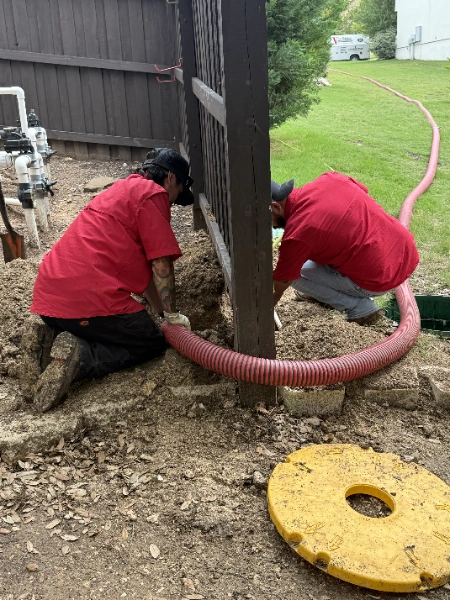
Some discount services might only "skim" the liquid layer. This is a waste of your money. True pumping requires the technician to break up the heavy sludge layer and mix it with the liquid to ensure complete extraction. At Van Delden Wastewater Systems, our non-commissioned technicians provide detailed service forms and photo documentation, so you know the job was done right. We don't just remove the water; we remove the "problem" (the solids) that threatens your drainfield.
Frequently Asked Questions about Septic Maintenance
What happens if I never pump my septic tank?
Eventually, the tank will fill completely with solids. These solids will flow into your drainfield, clogging the soil pores. Your toilets will stop flushing, sewage may back up into your house, and you will likely have to pay tens of thousands of dollars for a new drainfield and potentially a new tank if the pressure has caused it to collapse.
Can additives replace the need for regular pumping?
No. While some biological treatments can support the bacterial balance, they cannot eliminate the need for pumping. Some additives can actually be harmful, as they may suspend solids that should be settling, allowing them to float out into the drainfield. There is no "magic pill" that replaces the physical removal of sludge.
How does a garbage disposal affect my pumping schedule?
A garbage disposal significantly increases the amount of organic solids entering the tank. Because these food scraps take longer to break down than human waste, they build up the sludge layer much faster. If you use a garbage disposal frequently, you should plan to pump your tank every 1 to 2 years instead of the standard 3 to 5.
Conclusion
At Van Delden Wastewater Systems, we believe that an educated customer is our best customer. Since 1937, our family-owned business has been serving the San Antonio and Boerne areas with a commitment to honesty and quality. We don't use high-pressure sales tactics; instead, our background-checked technicians focus on providing the thorough cleaning and inspection your system needs to thrive.
By understanding how pumping extends your septic system life, you are taking control of one of your home's most vital infrastructures. Whether you are in Garden Ridge, Helotes, or any of our surrounding service areas, we are here to help you protect your investment. Don't wait for a backup to happen—schedule your routine maintenance today and enjoy the peace of mind that comes with a healthy, long-lasting septic system.
For more info about septic tank cleaning and to schedule your next service, reach out to our team of experts. We look forward to helping you extend the life of your system for decades to come.
Recent Blog post
Customer Reviews

Peter was personable, professional and thorough. Highly recommend Van Delden. You might be able to find a cheaper company but not better!
On time. 100% professional, knowledgeable, and courteous. Very helpful and straightforward. That is the bar all businesses should strive for.
It has been a pleasure working with your company. Not only did y’all communicate very well but your workers were always polite! Thank you!
“I thank Van Delden for such prompt service. Honest people are hard to come by these days. I will certainly recommend Van Delden to anyone! Jesse is an upstanding young man and very nice to talk to. I thank everyone at Van Delden for taking such good care of me.”
This is just a note to thank you for explaining the problem with my system. You didn’t have to be so kind and I appreciate your good business ethics and time spent. In the future you will have mine in return!
Blogs
Stay updated with our latest blog posts.