What Septic System Installation Looks Like From Permits to Final Approval
Understanding septic system installation what to expect can save you weeks of stress, confusion, and costly surprises. Whether you're building a new home in a rural area or replacing an aging system, the process involves more than just digging a hole and dropping in a tank. There are soil tests, permit applications, health department reviews, multiple inspections, and several days of heavy equipment work — all before your first flush through the new system.
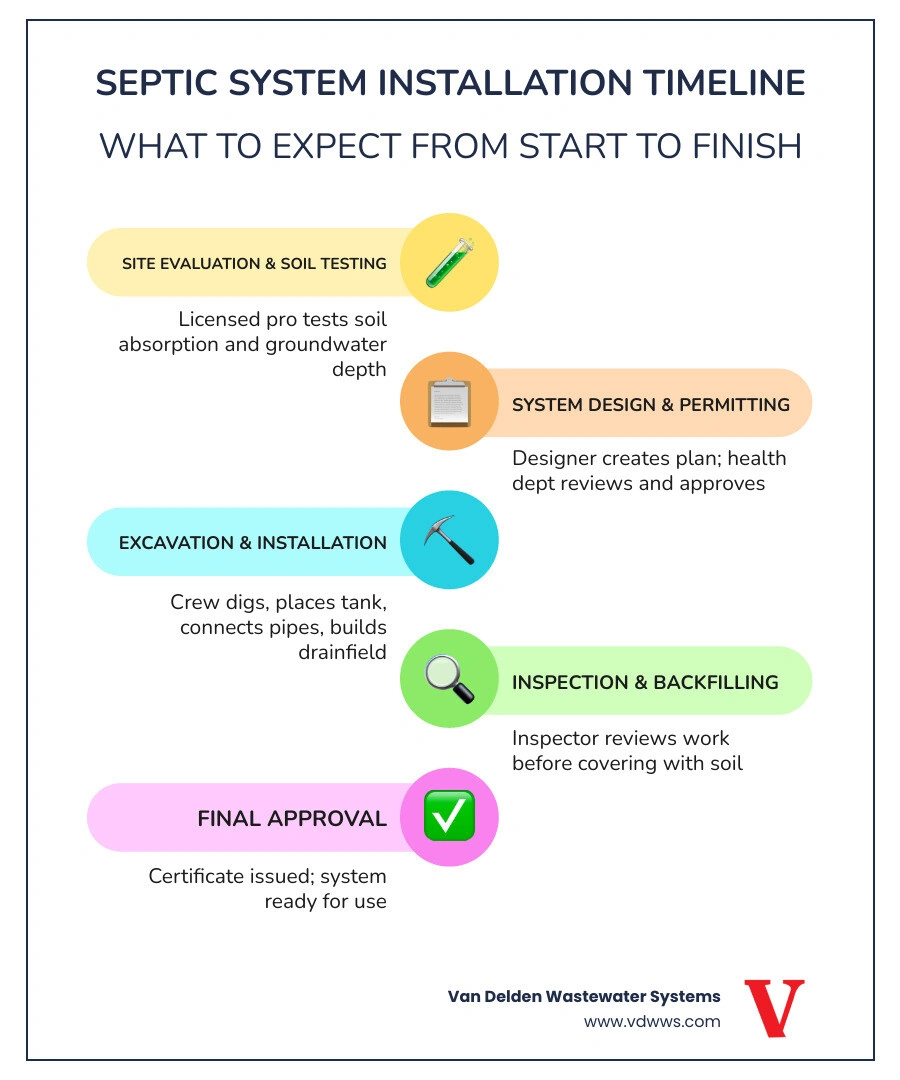
Here's a quick overview of what the process typically looks like:
- Site evaluation and soil testing - A licensed professional tests your soil's absorption rate and groundwater depth (1-3 weeks)
- System design and permitting - A designer creates a plan; local health department reviews and approves it (1-3 weeks)
- Excavation and installation - The crew digs, places the tank, connects pipes, and installs the drainfield (3-5 days)
- Inspection and backfilling - An inspector reviews the work before soil covers it (1-2 days)
- Final approval - You receive a certificate of approval and the system is ready to use
The full timeline from start to finish typically runs 3 to 6 weeks for most residential properties, though permitting delays or weather can stretch that further.
One in five U.S. households relies on a private septic system, yet most homeowners have never seen the inside of one — let alone navigated the installation process. The good news is that a properly installed system can last 20 to 40 years or more. The key word there is properly. The quality of your installation determines almost everything that follows.
This guide walks you through every phase of the journey — from your first perc test to the final inspection — so you know exactly what to expect, what questions to ask, and what to watch out for along the way.
Septic System Installation What to Expect From Start to Finish
At a high level, septic installation follows a predictable sequence: evaluate the site, test the soil, design the system, secure permits, excavate, place the tank, build the drainfield, inspect, backfill, and get final approval. The order matters. Skipping steps is a fast way to create slow drains, failed inspections, or expensive do-overs.
For a closer walkthrough of the sequence, see this overview of the septic system installation process.
What a septic system is and how it works
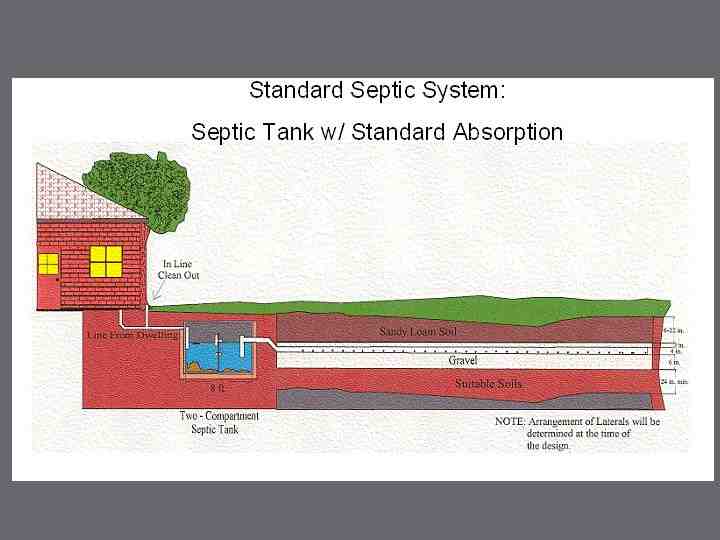
A septic system is your property's private wastewater treatment setup. It usually has two main parts:
- A septic tank
- A drainfield, also called a leach field
Wastewater from sinks, showers, toilets, and laundry flows from the house into the tank. Inside the tank:
- Heavy solids sink to the bottom and form sludge
- Oils and grease float to the top and form scum
- The clearer middle layer, called effluent, exits the tank
That effluent then moves into the drainfield, where soil provides the final treatment. Naturally occurring bacteria help break down waste, and the soil filters water before it returns to the environment.
In many homes, gravity does most of the work. That is why proper pipe slope and tank elevation are such a big deal. If the pitch is wrong, wastewater does not move as intended, and your plumbing will let you know in very impolite ways.
Why the planning phase often takes longer than the digging
Homeowners are often surprised that the paperwork stage can take longer than the equipment stage. The actual physical installation may only take a few days, but the pre-dig phase can stretch over several weeks because it includes:
- Soil evaluation and test pits
- Perc testing
- Site planning and system design
- Setback review from structures, property lines, and water sources
- Permit applications
- Health department or local authority approvals
- Utility locates before excavation
- Scheduling around weather and inspector availability
On new construction projects, septic approval often needs to happen early, sometimes before other major phases can move forward. If the septic plan is not approved, the entire project timeline can wobble like a plastic lawn chair on uneven ground.
You can learn more about the pre-construction side here: septic system design and installation process.
Typical timeline for septic system installation what to expect
For most residential installations in our South Texas service area, a realistic timeline looks like this:
- Soil testing and permitting: 1 to 3 weeks
- Excavation and installation: 3 to 5 days
- Final inspection and backfilling: 1 to 2 days
- Total project timeline: usually 3 to 6 weeks
Common causes of delay include:
- Rain or saturated ground
- Slow permit review
- Utility conflicts
- Unexpected rock or difficult soil conditions
- Design revisions after testing
Before Installation Begins: Testing, Permits, and System Selection
Before anyone starts digging, the property has to prove it can support the right system. That means understanding the soil, topography, groundwater conditions, setbacks, and expected wastewater flow from the home. Bedroom count matters because systems are typically sized based on projected occupancy, not just current household habits.
If you want a permit-focused overview, here is a helpful resource: Do I Need a Septic Permit.
What a percolation test is and why it matters
A percolation test, or perc test, measures how quickly water moves through the soil. In simple terms, it answers a crucial question: can your soil absorb and treat wastewater safely?
The results help determine:
- Whether a conventional system will work
- How large the drainfield needs to be
- Whether an alternative design is required
- Where the system can be placed on the lot
A perc test is usually paired with test pits that help evaluate:
- Soil layers
- Drainage characteristics
- Restrictive layers
- Groundwater depth
If soil drains too slowly, a standard gravity system may not be appropriate. If it drains too quickly, treatment can also be a concern. The goal is not "fastest wins." The goal is safe, code-compliant treatment.
Permits and approvals homeowners should expect
In our Texas service areas, homeowners should expect septic work to involve permits and inspections through the relevant local authority. Exact requirements vary by jurisdiction, but the general process includes:
- Site evaluation
- Approved septic design
- Permit issuance before work begins
- One or more inspections during installation
- Final approval and record documentation
Permits matter because they confirm the design meets local public health rules. They also help protect you when you refinance, sell, build, or insure the property later.
For more on local rules, read Septic System Regulations: A Guide for New Constructions in South Texas.
Which septic system is best for your property
The best system is the one that fits your soil, lot layout, water table conditions, and code requirements. Common options include:
- Conventional gravity system
- Chamber system
- Aerobic treatment system
- Pressure distribution system
- Mound or raised system where site conditions require it
Here is a simple comparison:
| System type | Best for | Key considerations |
|---|
| Conventional | Suitable soils with enough space and proper slope | Simpler design, fewer moving parts |
| Aerobic | Sites with tighter soil limitations or stricter treatment needs | Uses mechanical components and ongoing maintenance |
| Chamber | Sites where gravel alternatives are preferred | Depends on soil and design approval |
| Mound or raised | Challenging sites with shallow soil or high groundwater | More engineered, more site-specific |
If you are not sure where to start, What Kind Of Septic System Do I Need Video gives a helpful overview.
Do you need a licensed professional to install a septic system
In most cases, yes. Septic installation is not a casual weekend project with a rented mini excavator and a lot of confidence.
A licensed professional helps with:
- Proper design and sizing
- Permit handling
- Utility safety
- Equipment operation
- Tank leveling and pipe slope
- Inspection coordination
- Documentation and as-built records
We strongly recommend working with qualified, licensed professionals because septic systems are regulated infrastructure, not just buried plumbing.
What Happens on Installation Day
Once permits are in hand and the schedule is locked in, installation day feels much more like construction than plumbing service. Heavy equipment arrives, the work area is marked, and the site gets busy fast.
For another homeowner-focused walkthrough, see What To Expect Septic System Installation.
Septic system installation what to expect during excavation
Excavation is where the project becomes very real. You should expect:
- Equipment access across part of the yard
- Temporary soil stockpiles
- Noise from excavation machinery
- Clearly defined work zones
- Some disruption to grass and landscaping
The crew will typically excavate the tank area first, then trench or prepare the drainfield area according to the approved plan. They also need to maintain proper elevations and slopes throughout the system.
Potential complications during excavation include:
- Rock or caliche
- Wet or unstable soil
- Existing tree roots
- Tight access routes
- Previously unknown underground conflicts
Before digging, utilities should be located. That step is non-negotiable. Hitting a buried line is one of the few ways to make septic work even less fun than it sounds.
Tank placement, connections, and drainfield installation
After excavation, the tank is set into place. Residential tanks are commonly made from:
- Concrete
- Fiberglass
- Polyethylene
The tank must be level so solids settle properly and flow moves correctly between the inlet and outlet. Depending on the design, installers may place the tank on a prepared base such as gravel or sand.
Then the crew connects:
- The house sewer line to the tank inlet
- The outlet line to the distribution component or drainfield
- Baffles and filters as specified by design
- Pumps or controls if the system is an aerobic or pressure-dosed setup
Next comes the drainfield. Depending on the approved design, this may involve:
- Gravel-filled trenches with pipe
- Chamber units
- Distribution boxes
- Pressure lines
- Final grading to direct surface water away
Final inspection, testing, and what happens if something fails
Before the system is fully covered, an inspector usually reviews the installation. This pre-backfill moment is one of the most important quality-control checkpoints in the whole process.
The inspection may include checking:
- Tank placement
- Pipe layout
- Proper slope
- Drainfield dimensions
- Watertight connections
- Compliance with the approved plan
- Pumps, alarms, and controls if applicable
A water or flow test may also be performed. If something does not match the approved design, corrections are typically required before final signoff. That can mean re-leveling, adjusting pipe pitch, revising a connection, or changing grading. It is much better to catch those issues before the system is buried than after your yard is restored and your showers start arguing back.
Once the installation passes, the area is backfilled and the project moves toward final approval.
Common signs of problems during or right after installation
Most new systems perform well when installed correctly, but there are a few warning signs homeowners should not ignore:
- Standing water near the tank or drainfield
- Strong sewage odors
- Gurgling plumbing
- Slow drains throughout the house
- Bright green or soggy patches over the drainfield
- Uneven settling in the yard
- Alarm activity on aerobic systems
Some minor soil settling after backfill can be normal. Sewage odor, surfacing effluent, or house-wide drainage issues are not.
After the System Is Installed: Maintenance and Drainfield Care
Installation is the beginning, not the finish line. A new septic system needs good operating habits if you want it to last. With proper installation and maintenance, many systems last 20 to 40 years or more.
For a broader post-installation overview, see A Guide To Septic System Installation.
Septic system installation what to expect in the first few weeks
The first few weeks are a settling and startup period. During this time:
- Soil around the system may settle slightly
- The biological process in the tank begins to establish
- Water-use habits matter more than usual
We recommend easing into full demand by:
- Spacing out laundry loads
- Avoiding marathon water use days
- Watching for runoff flowing toward the drainfield
- Reporting unusual odors or wet spots promptly
This is not the time to host a weekend house full of guests and test the system's emotional resilience.
Maintenance habits that help a system last 20 to 40 years
A few habits make a major difference:
- Pump the tank every 3 to 5 years in many households
- Have the system inspected every 1 to 3 years
- Clean effluent filters as recommended
- Keep accurate maintenance records
- Spread out laundry and other high-water-use activities
- Fix leaks promptly
- Use water efficiently
Also avoid sending these into the system:
- Grease and cooking oil
- Wipes, even "flushable" ones
- Feminine hygiene products
- Dental floss
- Harsh chemicals
- Paints and solvents
- Excessive food waste from garbage disposals
What to avoid doing on or near the drainfield
Your drainfield is not wasted yard space. It is a working treatment area, and it needs protection.
Avoid:
- Parking vehicles on it
- Driving heavy equipment over it
- Building sheds, patios, or pools on it
- Paving over it
- Planting trees or deep-rooted shrubs nearby
- Directing roof runoff or surface drainage onto it
- Storing heavy materials on it
Light grass cover is usually best because it helps prevent erosion without damaging the system.
Financing options or grants homeowners may be able to explore
Some homeowners may qualify for outside assistance for septic replacement or installation-related needs, especially in rural areas. Depending on eligibility and program availability, options may include:
- USDA rural housing repair loans
- USDA grants for qualifying very-low-income homeowners
- Rural decentralized water system assistance
- Other local or regional funding programs
Availability changes, so we recommend checking current program rules through the appropriate government or local agency before counting on funding.
How to Choose the Right Installer and Prepare Your Property
Choosing the installer matters as much as choosing the system. We believe homeowners deserve transparency, good communication, and documentation at every step. At Van Delden Wastewater Systems, we have served South Texas since 1937, and we believe education matters just as much as installation. Our background-checked, non-commissioned technicians focus on doing the work correctly and documenting it clearly.
If you need local service information, visit Septic Installation or our San Antonio septic system installation page.
Questions to ask before you sign the contract
Ask clear questions such as:
- Who handles permits and inspections?
- What type of system is being recommended, and why?
- How will you protect existing utilities and landscaping?
- What does the installation timeline look like?
- When will inspections happen?
- Will you provide photo documentation?
- What maintenance should we follow after startup?
- What site restoration is included?
- What paperwork will we receive at the end?
Those questions can tell you a lot about how organized and communicative the installer will be.
How to prepare your yard and household before work starts
You can help the project go more smoothly by preparing in advance:
- Clear vehicles from the access route
- Move outdoor furniture or obstacles
- Mark irrigation components if present
- Keep pets and children away from the work zone
- Discuss any trees or landscaping you want protected
- Expect temporary yard disruption and some noise
If you are building in nearby communities, these local guides may also help:
Frequently Asked Questions About Septic System Installation What to Expect
How long does the full process usually take?
For many homes, the total process takes about 3 to 6 weeks from evaluation to final approval. Straightforward projects may move faster, while permit reviews, weather, or site challenges can extend the schedule.
What if my property does not qualify for a conventional system?
That does not automatically mean the project is dead in the water. It usually means the design must change. Depending on site conditions, an aerobic, mound, pressure-distribution, or other engineered system may be recommended to meet local rules and protect public health.
Usually, the system should not be considered fully ready until final approval is complete. Once approved, normal use can begin, but it is smart to ease into heavy water demand during the first few weeks and follow all operating guidance provided for your system type.
Conclusion
The best way to handle septic system installation what to expect is to understand that it is both a construction project and a regulated health-safety process. There is planning, testing, permitting, excavation, inspection, and ongoing care. When each phase is handled correctly, you get a system that can serve your home reliably for decades.
If you want guidance tailored to your property in Boerne, Bulverde, Fair Oaks Ranch, Garden Ridge, Helotes, Timberwood Park, Hollywood Park, San Antonio, Shavano Park, or Spring Branch, we are here to help. Learn more about septic installation services in South Texas or explore our septic system installation services in San Antonio, TX.