When Your Aerobic System Fails: Recognizing the Problem Fast
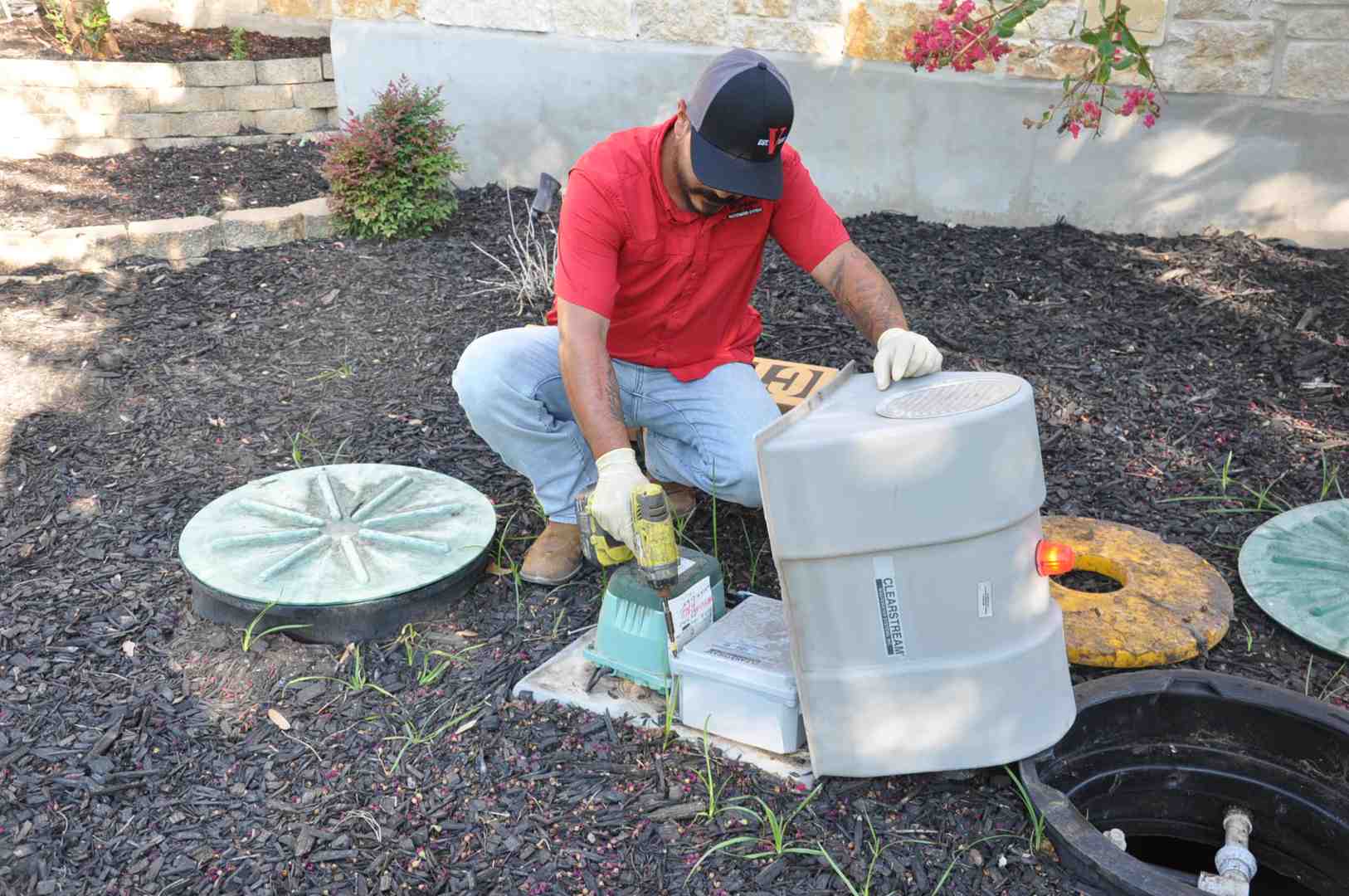
Aerobic system maintenance not working in san antonio tx can quickly turn from a minor inconvenience into a serious health hazard and costly emergency. When your aerobic septic system stops functioning properly, wastewater may back up into your home, pool in your yard, or contaminate the environment. Unlike conventional septic systems, aerobic units rely on electrical components, air pumps, and spray irrigation systems that require regular attention and can fail without warning. Most San Antonio homeowners don't think about their aerobic system until something goes wrong—but recognizing the warning signs early and knowing what to do can save you thousands of dollars and protect your family's health.
If your aerobic system is showing signs of failure, learn more about professional aerobic system maintenance services or contact Van Delden Wastewater Systems for immediate assistance.
Quick Answer: What to Do When Your Aerobic System Stops Working
- Check for alarms - Red or amber lights indicate high water or aeration problems
- Conserve water immediately - Stop using washing machines, dishwashers, and limit showers
- Verify power supply - Check that circuit breakers haven't tripped
- Call a TCEQ-licensed provider - Don't wait days or weeks; prompt attention prevents worse damage
- Never ignore the problem - Resetting alarms without fixing the root cause rarely works
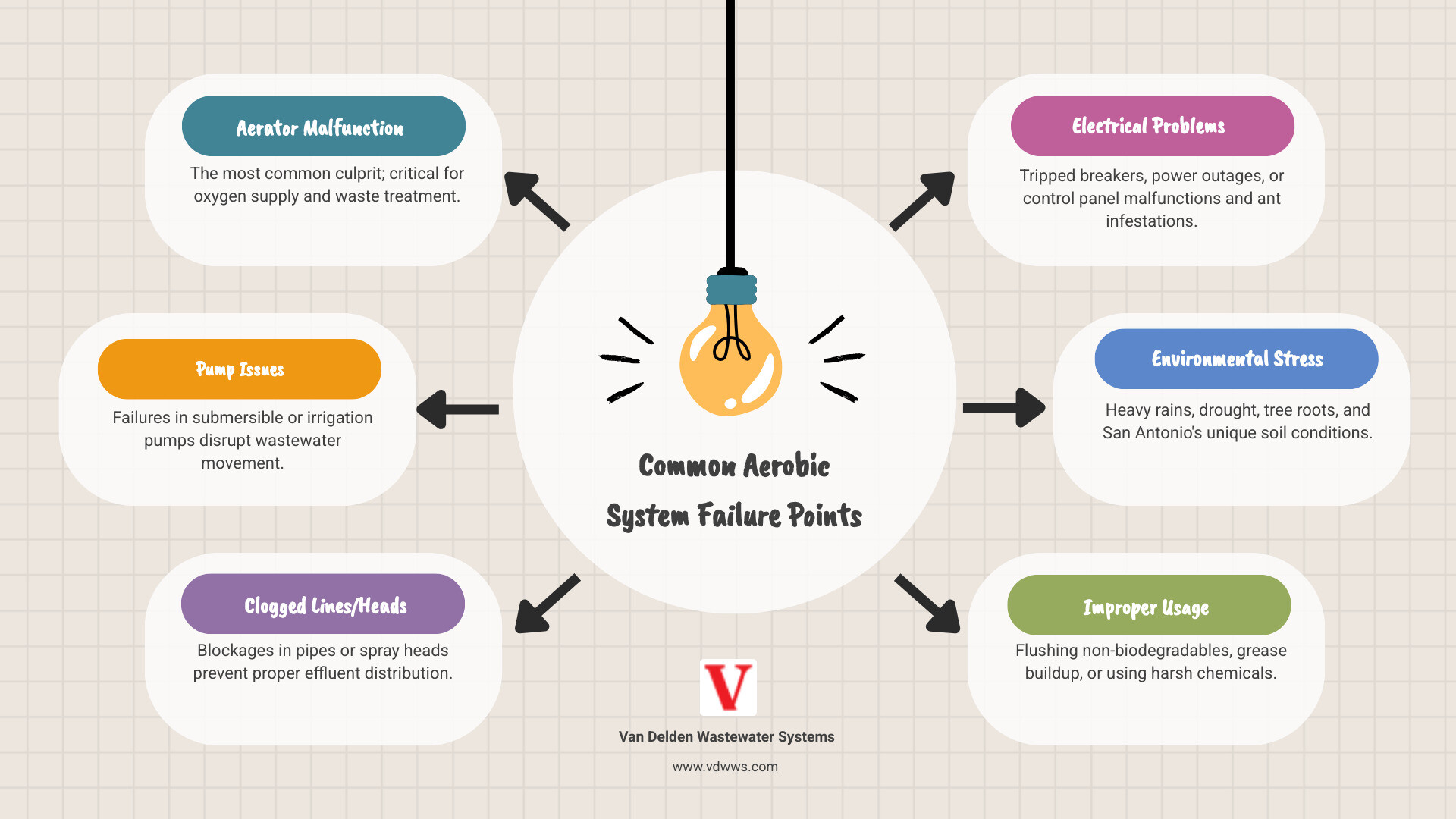
The Texas Commission on Environmental Quality (TCEQ) requires aerobic systems to have maintenance contracts with inspections every 4 months for good reason—these systems are complex and prone to mechanical failures. Aerator failure is the most common culprit, as it pumps the oxygen needed for waste treatment. Pump issues, clogged lines, electrical malfunctions, and even ant infestations in control panels can shut down your system. In San Antonio's unique climate, heavy rains can saturate systems while drought conditions cause tree roots to invade drainfields seeking water.
Aerobic system maintenance not working in san antonio tx terms simplified:
When your aerobic system is struggling, it often sends out clear distress signals. Recognizing these signs promptly is the first step in addressing an aerobic system maintenance not working in san antonio tx situation before it escalates into a full-blown crisis.
The most obvious indicators are usually the system alarms. Most aerobic systems are equipped with both an audio alarm and a visual alarm (often a red or amber light on the control panel). If either of these is activated, it's a clear signal that your system needs immediate attention from a maintenance provider. An alarm doesn't always mean an emergency, but it always means something needs to be checked.
Beyond the alarms, our senses can also tell us a lot:
- Foul Odors: If you notice unpleasant, sewage-like smells near your septic tank, spray heads, or even inside your home, it's a strong indication of a problem. In an aerobic system, foul odors often point to anaerobic conditions, meaning the aerator isn't effectively introducing oxygen to break down waste. This can lead to inefficient treatment and the release of noxious gases.
- Slow Drains and Gurgling Toilets: When sinks drain slowly, or toilets gurgle after flushing, it suggests a blockage or backup within your wastewater system. This could be due to issues in the aerobic unit itself, the pump tank, or the lines leading to the drainfield.
- Sewage Backup: The most alarming sign, and one that requires immediate professional intervention, is sewage backing up into your home's drains, toilets, or showers. This indicates a severe blockage or system failure that prevents wastewater from flowing away from your home.
- Wet Spots or Soggy Areas in the Yard: If you observe unusually wet or soggy patches, especially near your aerobic tank or the drainfield area, it could mean that treated or untreated wastewater is surfacing. This is a significant health hazard and a sign of system overflow or drainfield failure.
- Unusually Green and Lush Patches of Grass: While green grass is usually a good thing, excessively green and lush areas over your drainfield can indicate that wastewater (which is nutrient-rich) is being released too close to the surface or that the drainfield isn't properly absorbing and treating the effluent.
Ignoring any of these warning signs can lead to more extensive damage, environmental contamination, and costly emergency repairs. We always recommend contacting a professional if you observe any of these issues.
Common Causes of Aerobic System Failure in the San Antonio Area
An aerobic system maintenance not working in san antonio tx scenario can stem from a variety of issues, many of which are common across aerobic systems, but some are exacerbated by our local environment. Understanding these causes helps homeowners prevent problems and react effectively when they arise.
One of the most primary issues leading to system failure is aerator failure. The aerator pump is crucial because it continuously pumps oxygen into the aerobic tank, fostering the growth of beneficial bacteria that break down waste. Without this oxygen, the system becomes anaerobic, leading to inefficient treatment, foul odors, and potential backups. Aerator pumps typically last an average of 2-5 years, so regular checks are essential.
Submersible pump issues are also frequent. These pumps move wastewater through various treatment stages and eventually to the drainfield. If a pump malfunctions due to electrical failure, clogs, or simply reaching the end of its lifespan (also typically 2-5 years for irrigation pumps), wastewater can accumulate, leading to high water alarms and system overflows.
Clogged lines are another common problem. These can result from improper usage, such as flushing non-flushable items like wipes, feminine hygiene products, or excessive toilet paper. Similarly, pouring grease and oil down drains can lead to significant blockages as these substances solidify and accumulate over time.
Electrical problems are a major concern for aerobic systems due to their reliance on various electrical components, including compressors, control panels, and pumps. Power outages, tripped breakers, faulty wiring, or component failures can disable critical functions and trigger alarms.
Understanding the Impact of San Antonio's Climate and Soil
San Antonio's unique climate and soil conditions significantly impact the maintenance needs and potential failure points of aerobic systems.
- Drought conditions are common in South Texas. During prolonged dry spells, tree roots actively seek out moisture, often infiltrating drainfield lines to access the wastewater. This tree root intrusion is a common cause of drainfield clogs and can severely impede the system's ability to disperse treated effluent.
- Our region often features clay soil, which is dense and has poor drainage capabilities. This type of soil can lead to system saturation, especially during periods of heavy rainfall events. When the soil cannot absorb water quickly enough, the drainfield can become overloaded, causing wastewater to surface or back up into the system.
Common Component Failures and Lifespans
Knowing the typical lifespan and common failures of key components can help predict when an aerobic system maintenance not working in san antonio tx issue might arise.
- Aerator pump lifespan (2-5 years): As mentioned, these are vital. When they fail, the system loses its oxygen supply, halting the aerobic treatment process. Sometimes, they can be rebuilt, but often replacement is necessary.
- Irrigation pump lifespan (2-5 years): These pumps move treated water to the spray field. Failure means water can't be dispersed, leading to high water alarms.
- Clogged diffusers: Located within the aerobic tank, diffusers are responsible for evenly distributing air from the aerator. They can become clogged with sludge, reducing oxygen dispersion and negatively impacting the aerobic bacteria. Diffusers may need replacement every four months to a year.
- Broken spray heads: The purple-topped spray heads in the drainfield distribute treated effluent. They can be damaged by lawnmowers, vehicles, or even foot traffic. If they're not popping up, rotating, or are visibly broken, they need replacement to ensure proper water dispersal.
- Malfunctioning timers: The control panel's timer regulates the operation of various components, especially the irrigation pump's spray cycles. If the timer malfunctions, sprinklers might spray at inappropriate times or not at all, disrupting the treatment cycle.
- Chlorine issues: Many aerobic systems use chlorine for disinfection before dispersal. Problems can include tablets not dissolving, blocked chlorinators, or using the wrong type of chlorine (never use pool chlorine!). Without proper disinfection, untreated wastewater can be sprayed onto your property, posing a health risk.
Beyond these, ant infestations can cause significant damage. Ants are attracted to the warmth of electrical control panels and can build nests there, causing short circuits and disabling critical system functions. It's a surprisingly common issue in our warm climate that can quickly lead to an aerobic system maintenance not working in san antonio tx situation.
What to Do When Your Aerobic System Maintenance Not Working in San Antonio TX
Finding your aerobic system maintenance not working in san antonio tx can be stressful, but knowing the right steps to take can prevent further damage and ensure a quicker resolution. Our priority is always your safety and the health of your system.
When you notice signs of system failure, particularly an activated alarm, certain immediate actions are crucial:
- Conserve water immediately: This is the most critical first step. Stop using water-intensive appliances like washing machines and dishwashers. Limit showers and flushes. Every gallon of water you save reduces the load on your struggling system, buying you time and potentially preventing an overflow.
- Silence the alarm (but don't ignore it): Most control panels have a button to silence the audible alarm. While it might stop the annoying sound, it does not fix the underlying problem. Ignoring the visual alarm (red or amber light) is a recipe for disaster.
- Check circuit breakers: Aerobic systems have electrical components. A tripped circuit breaker could be the simple cause of a power loss to your aerator or pump. Check your home's electrical panel and reset any tripped breakers related to the septic system.
- Avoid flushing harmful items: If you suspect a clog, double-check that only human waste and toilet paper are going down your drains. Any non-biodegradable items will only exacerbate the issue.
- Do not open tanks: Resist the urge to open the aerobic or pump tanks yourself. Wastewater contains harmful bacteria and gases. Leave this to trained professionals.
Here's a quick list of items to never flush or pour down the drain in an aerobic system:
- "Flushable" wipes (they aren't!)
- Feminine hygiene products
- Diapers
- Paper towels
- Excessive grease or cooking oils
- Coffee grounds
- Harsh chemical cleaners (bleach, drain cleaners)
- Paints or solvents
- Medications
Troubleshooting Common Alarm Triggers
Understanding what your system's alarms are telling you can help us diagnose the problem more efficiently.
- Amber light (aeration problem - COMP): If the amber light is on, it typically indicates an issue with the aerator or compressor. This means the system isn't getting enough oxygen to properly treat the wastewater. You can quickly check if the compressor is running (it usually has a noticeable hum or vibration). If not, verify the power supply.
- Red light (high water alarm - HWA): A red light usually signals a high water level in the pump tank. This means the pump isn't effectively moving treated effluent out to the drainfield. This could be due to a malfunctioning pump, a clogged line, or a saturated drainfield.
- Checking the aerator pump: Listen for it. If it's silent, and the power is on, it's likely failed.
- Inspecting spray heads for blockages: While you shouldn't open tanks, you can visually inspect the spray heads in your yard. Are they broken? Are they clogged with debris? This can prevent proper dispersal.
- Resetting the timer after a power outage: If your sprinklers are spraying at inappropriate times, or not at all, after a power outage, the control panel's timer likely needs to be reset to the correct time.
When to Call a Professional for Aerobic System Maintenance Not Working in San Antonio TX
While immediate homeowner actions can mitigate some issues, most problems require professional expertise. You should always call a TCEQ-licensed maintenance provider like us if:
- Persistent alarms: The alarm continues to sound or the light remains on after you've checked the basics.
- Sewage in the home or yard: This is an emergency and requires immediate attention due to health risks.
- Strong, persistent odors: Especially if they are coming from the tank or drainfield area, indicating anaerobic conditions or system failure.
- Saturated drainfield: Consistently wet or soggy areas around the spray field suggest the soil isn't absorbing water, or the system is overflowing.
- Electrical malfunctions: If you suspect an electrical issue beyond a tripped breaker, it's a job for a qualified technician.
- When you are unsure of the problem: It's always better to be safe than sorry. Our trained technicians can quickly and accurately diagnose the issue.
We have been helping San Antonio homeowners with their septic systems since 1937, and our technicians are experts in diagnosing and repairing aerobic system failures.
Proactive Care: Preventing Future Aerobic System Breakdowns
The best defense against an aerobic system maintenance not working in san antonio tx situation is proactive care and regular maintenance. Investing in routine service now can save you significant money and stress from costly emergency repairs down the line. This approach ensures long-term system health and protects public health and the environment.
TCEQ and Local San Antonio Maintenance Requirements
In Texas, aerobic systems are subject to strict regulations by the Texas Commission on Environmental Quality (TCEQ). These regulations are designed to ensure proper operation and prevent environmental contamination.
- Mandatory inspections: TCEQ requires that all aerobic treatment units have a maintenance contract with minimum inspections every 4 months. This means your system should be checked three times a year by a licensed professional.
- Maintenance contracts: Most counties in the San Antonio area (including Bexar, Comal, Guadalupe, Kendall, etc.) require homeowners with aerobic systems to have a valid maintenance contract. This ensures that a qualified provider is regularly monitoring and servicing your complex system.
- Pumping frequency: While inspections are frequent, pumping is typically recommended every 3-4 years for most residential aerobic systems. This removes accumulated solids (sludge) from the pretreatment and pump tanks, preventing blockages and ensuring efficient operation.
- Consequences of neglect: Neglecting these maintenance requirements can lead to severe consequences. System failure can result in untreated wastewater surfacing, posing significant health risks to your family and neighbors. It can also lead to environmental contamination of soil and groundwater, resulting in hefty fines and legal liabilities.
Best Practices for San Antonio Homeowners
Beyond regulatory compliance, there are several best practices you can adopt to maintain your aerobic system and prevent common problems:
- Proper waste disposal: Only flush human waste and toilet paper. Avoid putting anything else down the drain, especially non-biodegradable items, grease, oils, and harsh chemicals.
- Septic-safe cleaning products: Use cleaning products that are labeled "septic-safe" or are biodegradable. Harsh antibacterial soaps and chemicals can kill the beneficial bacteria in your aerobic tank that are essential for breaking down waste.
- Spreading out water usage: Avoid doing all your laundry or taking multiple long showers back-to-back. Spreading out water-intensive activities throughout the day prevents overwhelming your system with a sudden influx of wastewater.
- Protecting the drainfield: Keep heavy objects, vehicles, and livestock off your drainfield to prevent soil compaction and damage to the underlying pipes. Plant only shallow-rooted grasses or flowers over the drainfield to avoid root intrusion. Ensure downspouts and irrigation systems divert water away from the drainfield to prevent saturation.
- Keeping records of maintenance: Maintain a log of all inspections, pumping, and repairs. This documentation is invaluable for troubleshooting, understanding your system's history, and ensuring compliance.
By adhering to these best practices and regulatory requirements, you can significantly extend the life of your aerobic system and avoid the headache of an aerobic system maintenance not working in san antonio tx situation.
Choosing a Reliable Aerobic System Service Provider in San Antonio
When your aerobic system maintenance not working in san antonio tx, choosing the right service provider is paramount. You need a company that understands the unique challenges of our local environment and regulations, and one you can trust with such a critical home system.
Here's what to look for when selecting a reliable company:
- Local expertise: A provider with deep knowledge of San Antonio, Boerne, Bulverde, Fair Oaks Ranch, Garden Ridge, Helotes, Timberwood Park, Hollywood Park, Shavano Park, and Spring Branch, TX, understands the specific soil conditions, climate impacts (like drought or heavy rains), and common issues that affect aerobic systems here. This local knowledge of San Antonio soil and regulations is invaluable for accurate diagnosis and effective solutions.
- TCEQ licensed provider: Ensure the company and its technicians are properly licensed by the TCEQ. This guarantees they meet state standards for expertise and compliance.
- Years of experience: A long-standing company often indicates a proven track record of reliability and quality service. Our family-owned business, Van Delden Wastewater Systems, has been serving the San Antonio area since 1937, bringing decades of experience to every job.
- Customer education: A good provider will take the time to explain what went wrong, what needs to be done, and how you can prevent future problems. Our non-commissioned technicians educate customers, ensuring you understand your system.
- Transparent service reports: Look for companies that provide detailed service forms and photo documentation of their work. This transparency builds trust and gives you a clear record of your system's condition and the services performed.
Here's a list of questions to ask a potential service provider:
- Are your technicians TCEQ licensed for aerobic systems?
- How long have you been servicing aerobic systems in the San Antonio area?
- Do you offer maintenance contracts that comply with TCEQ requirements?
- What is your typical response time for emergency service calls?
- How do you document your inspections and repairs?
- Do you educate homeowners on proper system care?
Choosing a quality local company like Van Delden Wastewater Systems means you're getting professional, honest, background-checked technicians committed to quality work and customer satisfaction.
Conclusion: Restoring Your System and Peace of Mind
An aerobic system maintenance not working in san antonio tx can be a significant concern for any homeowner. From the immediate distress of an alarm to the potential health hazards of a malfunctioning system, the importance of prompt action and proactive maintenance cannot be overstated. We've seen that recognizing key warning signs—like foul odors, slow drains, or alarms—is the first critical step. Understanding common causes, from aerator failure and electrical issues to the impact of San Antonio's unique climate, empowers you to act wisely.
While immediate homeowner actions like water conservation can buy you time, a professional diagnosis and repair are almost always necessary. The Texas Commission on Environmental Quality mandates regular inspections, and adhering to these requirements, along with best practices like proper waste disposal and protecting your drainfield, is crucial for preventing future breakdowns.
Your peace of mind comes from knowing your aerobic system is functioning correctly, protecting your home, health, and the environment. Choosing a reliable, local, and experienced provider like Van Delden Wastewater Systems ensures your system receives the expert care it needs. We are dedicated to providing comprehensive septic solutions, backed by decades of local expertise and a commitment to educating our customers.
Don't let an aerobic system problem disrupt your life. Learn more about professional aerobic system maintenance services or contact Van Delden Wastewater Systems today for assistance and to keep your system running smoothly. For more information about aerobic system maintenance, visit our dedicated page: More info about aerobic system maintenance