Understanding the Basics of Home Wastewater Management
Does every house have a septic tank? No. Only about one quarter of homes in the United States rely on septic systems. The other 75% are connected to municipal sewer systems.
Quick Answer:
- Septic Systems: Approximately 25% of U.S. homes (over 60 million people)
- Municipal Sewers: Approximately 75% of U.S. homes
- Most Common in: Rural areas, New England states (up to 50% of homes), older neighborhoods
- Least Common in: Urban areas, California (only 10% of homes)
Whether your home has a septic tank or a sewer connection depends on your location, property age, lot size, and proximity to city infrastructure.
Understanding your home's wastewater system is crucial for managing maintenance, utility bills, and even your home's resale value. The distinction is practical: with a septic system, you are responsible for its maintenance and repairs. With a sewer connection, you pay monthly fees, and the city handles the rest.
This guide will help you determine if your home has a septic tank, understand the differences between systems, and learn the responsibilities that come with each.
Septic vs. Sewer: Understanding Your Home's Wastewater System
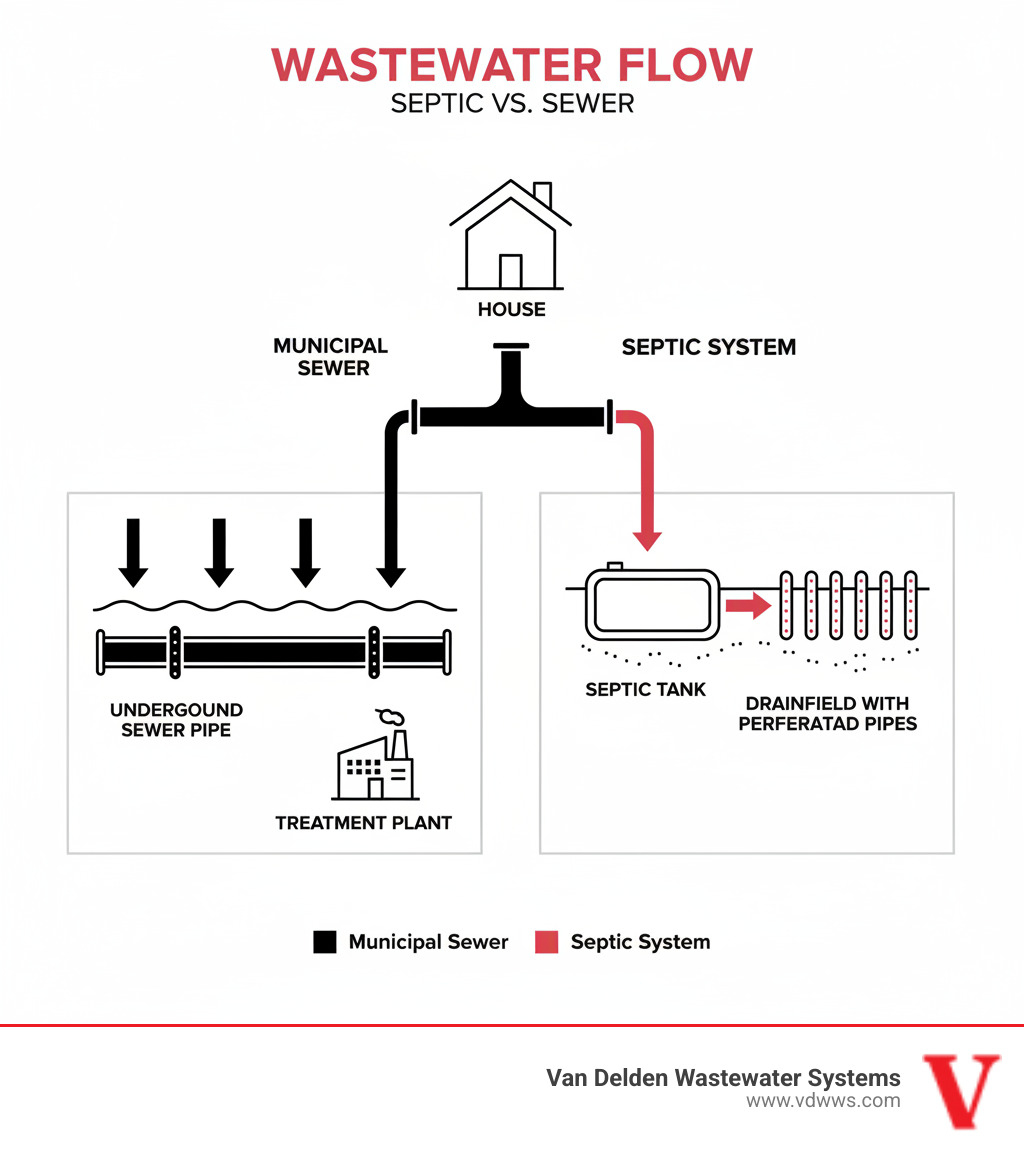
Every house manages wastewater through either a municipal sewer system or a private septic system. The answer to does every house have a septic tank? is no, and understanding how each system works explains why. For a more detailed comparison, you can explore the septic system vs. sewer differences on our blog.
What is a Municipal Sewer System?
A municipal sewer system is public infrastructure. A network of underground pipes collects wastewater from homes and businesses and transports it to a central treatment facility. Your home's wastewater flows through this network to a plant where it's cleaned before being released back into the environment.
For homeowners, the system is simple. You pay monthly utility bills for the service, and the city or utility company handles all maintenance and operations. Sewer systems are most common in dense urban and suburban areas where this shared infrastructure is economical.
What is a Septic System and How Does It Work?
A septic system is a private, on-site wastewater treatment facility in your yard. It operates independently of any municipal system. For a complete overview, see our guide on how septic systems work.
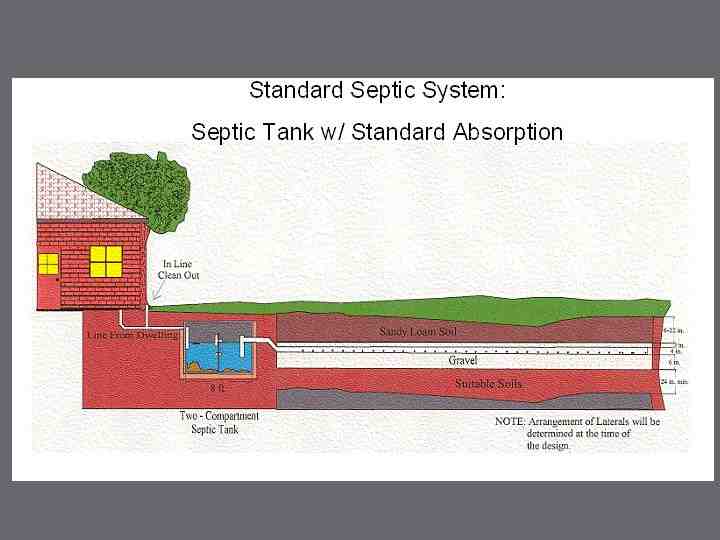
Wastewater from your home flows into an underground tank, where it separates into three layers: sludge (solids) at the bottom, scum (oils and grease) at the top, and effluent (liquid wastewater) in the middle. Naturally occurring bacteria in the tank break down organic matter in the sludge and scum.
As new wastewater enters, the liquid effluent is pushed into the drainfield—a series of perforated pipes buried in your yard. The effluent trickles out and seeps into the surrounding soil, which acts as a natural filter, removing harmful contaminants as the water percolates down to the groundwater. This process makes septic systems effective and eco-friendly when properly maintained.
So, Does Every House Have a Septic Tank?
The answer to does every house have a septic tank? is a definite no. While over 60 million Americans use them, they are far from universal. About one quarter of homes in the U.S. have septic tanks, with the other three-quarters connected to municipal sewers. These numbers vary dramatically by region. For example, about half of New England homes use septic systems, compared to only 10% in California. This variation is tied to population density, with rural and older areas having more septic systems.
Factors That Answer "Does Every House Have a Septic Tank?" for Your Property
Several key factors determine if your property has a septic system or a sewer connection:
- Location: In rural areas like Boerne or Bulverde, septic systems are common because extending sewer lines is costly. In urban centers like downtown San Antonio, homes are almost certainly connected to municipal sewers.
- Property age: Older homes built before sewer infrastructure expanded often still use their original septic systems.
- Lot size: Large lots, like those in Timberwood Park, are ideal for septic systems, which require space for a drainfield. Small urban lots often lack this space.
- Soil suitability: The soil must be able to absorb and filter wastewater. Poor soil conditions can make conventional septic systems impractical, which is why soil tests are required before installation.
- Proximity to existing sewer lines: If a sewer line is nearby, connecting is usually easiest. If it's far away, the cost of extension makes a septic system the more sensible choice.
- Local regulations: Texas has specific septic system regulations for new construction that govern design and installation.
Why would a house have a septic tank instead of a sewer connection?
Beyond the lack of sewer access, there are other compelling reasons why properties have septic systems.
- Sewer line accessibility: When sewer lines are unavailable, installing a septic system is far more affordable than paying to extend city infrastructure.
- Remote areas and older neighborhoods: In remote areas and older neighborhoods like Hollywood Park and Shavano Park, septic systems were the original solution and often continue to serve properties reliably.
- Independent wastewater management: A septic system offers independence from municipal sewer outages and rate hikes, giving homeowners more control.
- Environmental benefits: As our article on why you might want a septic system explains, properly maintained systems are eco-friendly. They use natural processes to treat wastewater on-site, recharging local groundwater and reducing the energy use of centralized plants.
How to Determine if Your House Has a Septic Tank
If you're asking "does every house have a septic tank," the more pressing question is whether your house has one. Many homeowners don't know their wastewater setup, which is crucial information, especially for new buyers. Fortunately, you can usually figure it out with a little detective work. This is an essential part of septic system planning when buying a home.
Check Your Property Documents and Bills
Start your search with your paperwork.
- Utility Bills: Check your water bill. A line item for "sewer service" means you're connected to the municipal system. No sewer charge strongly indicates you have a septic tank.
- Property Records: Check your property records with the local health or planning department. They often have "as-built" diagrams showing the location of your septic tank and drainfield.
- Ask Around: When buying, your real estate agent should know; it's part of the property disclosure. Otherwise, ask the previous owner or long-time neighbors.
Visually Inspect Your Property
Take a walk around your yard and look for these clues:
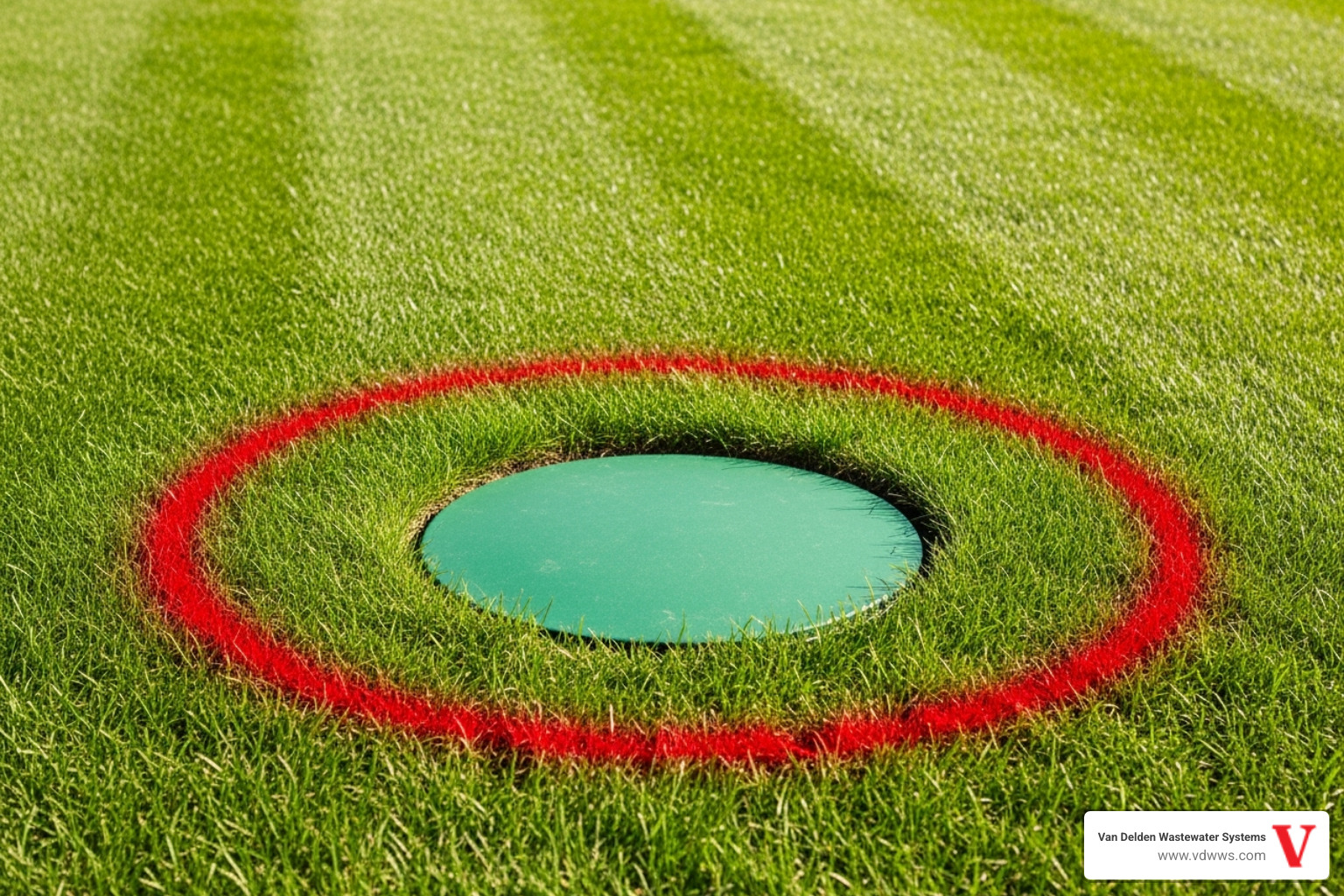
- Access Covers or Lids: Look for access covers or lids in your yard. They are typically round or square and made of concrete or plastic. Older lids may be buried, while newer systems often have visible risers. Our guide on finding your septic tank lid can help.
- Drainfield Signs: Look for signs of your drainfield, such as a patch of grass that is greener or grows faster than the rest of the lawn. The ground may also feel spongy or stay soggy. Learn more in our guide on how to find your drainfield.
If I Can't Find a Lid, Does Every House Have a Septic Tank That's Hidden?
Yes, a septic tank can be hidden. Older systems were often buried deep without risers, and landscaping or construction may have obscured them over time. This is common in homes built before the 1980s, and we often find hidden systems in areas like Boerne and Fair Oaks Ranch for homeowners who were unaware they had one.
If you can't find it, don't start digging randomly; you could cause damage. Instead, call a professional. Van Delden Wastewater Systems offers specialized septic tank locating services. Using professional equipment, we can find your tank and drainfield without needless digging. This service is vital for septic inspections for real estate, as knowing the system's location and condition provides peace of mind for both buyers and sellers.
Living with a Septic System: Responsibilities and Red Flags
If your home has a septic system, you are the caretaker of your own private wastewater treatment facility. It requires regular care to function properly for decades. Neglect can lead to unpleasant and expensive problems. Our ultimate septic system maintenance guide covers this in detail, but here are the essentials.
The "Dos and Don'ts" of Septic System Care
Proper care is key to a long, trouble-free relationship with your septic system.
Septic System Dos:
- Get it pumped regularly: Pumping every three to five years is essential. This removes sludge and scum, preventing drainfield damage. Learn more about how often to pump your septic tank.
- Conserve water: Less water means less stress on your system. Spread out laundry loads, fix leaks, and use water-efficient appliances.
- Use septic-safe products: The bacteria in your tank are vital. Avoid harsh chemicals and antibacterial soaps. Opt for biodegradable products.
- Protect your drainfield: Never park heavy equipment on it. Avoid planting trees or large shrubs nearby, as roots can damage the pipes. Only grass should grow over the area.
Septic System Don'ts:
- Flush anything but waste and toilet paper: So-called "flushable" wipes do not break down properly and cause clogs.
- Pour harmful substances down the drain: Never dispose of fats, oils, or grease (FOG); harsh chemicals like paint or solvents; non-biodegradable items like paper towels or feminine hygiene products; coffee grounds; or pharmaceuticals. For a full list, see our guide on things you should never flush.
Warning Signs of a Failing Septic System
Your system will often signal when something is wrong. Ignoring these septic tank warning signs can turn a small repair into a major crisis.
- Slow drains or gurgling toilets: These are early signs of a potential backup.
- Foul odors: Sewage smells inside or outside your home indicate a problem.
- Sewage backups: Sewage backing up into your home is an emergency that requires immediate professional help.
- Pooling water: Soggy spots or standing water in your yard, especially over the drainfield, are classic symptoms of drainfield failure.
- Unusually lush grass: A patch of grass over the drainfield that is dramatically greener than the rest can also signal a malfunction.
If you see these signs, contact a professional immediately. Early intervention can prevent a costly replacement.

Frequently Asked Questions about Septic Systems
Here are answers to some of the most common questions we hear from homeowners.
How long do septic systems typically last?
A well-maintained septic system can last 15 to 40 years, sometimes even longer. Its lifespan depends heavily on several factors:
- Maintenance: Regular pumping (every 3-5 years) is the most critical factor.
- Usage: Household size and water usage impact system stress.
- Materials: The durability of the tank (concrete, plastic) and drainfield components matters.
- Soil Conditions: The soil's ability to filter effluent affects drainfield longevity.
- Installation: A proper initial design and installation provide a strong foundation.
Are septic systems bad for the environment?
No, a properly functioning and maintained septic system is quite environmentally friendly. It uses natural processes to treat wastewater on-site, and the soil in the drainfield acts as a natural filter, cleaning the water as it percolates down to recharge local groundwater.
However, a failed or neglected system is a serious environmental hazard. It can contaminate groundwater and surface water with harmful bacteria and pollutants, posing public health risks. A septic system's environmental impact depends entirely on the care it receives.
What is the difference between a septic tank and a holding tank?
While both are underground tanks for wastewater, they function very differently.
A septic tank is part of an active treatment system. It separates waste and uses bacteria to break down solids before liquid effluent flows to a drainfield for natural filtration. It requires pumping every 3-5 years.
A holding tank is purely for storage. It's a sealed container with no outlet that simply collects all wastewater. Once full, it must be pumped out completely. Holding tanks are used when a conventional septic system isn't feasible, but they require very frequent pumping (sometimes monthly), making them much more expensive to operate long-term.
Conclusion
So, does every house have a septic tank? As we've found, the answer is no—but it's an essential question for every homeowner. Whether your home has a septic system or a sewer connection depends on factors like location and age. Neither is inherently better; they are different solutions for different situations.
If you have a septic system, view it as a responsibility, not a burden. Proactive care—including regular pumping, water conservation, and minding what goes down the drain—ensures it will serve you reliably for decades. Responding quickly to warning signs like slow drains or foul odors can prevent a simple repair from becoming a costly replacement.
Since 1937, Van Delden Wastewater Systems has helped families with their septic system needs. Our team provides honest, professional guidance for locating a hidden tank, planning regular maintenance, or dealing with an unexpected issue.
For professional assistance with your wastewater system, from inspections to septic tank locating, trust the experts who have served the community since 1937. We serve San Antonio, Boerne, Fair Oaks Ranch, Helotes, Timberwood Park, Hollywood Park, Shavano Park, and the surrounding areas with the same family values and commitment to quality our grandfather established generations ago.
Your home's wastewater system may be out of sight, but it should never be out of mind. We're here to help you keep it running smoothly.