Is an Aerobic System Right for Your Texas Hill Country Home?
When you need to install aerobic septic unit san antonio tx, you're looking at a wastewater solution that could be perfect for your property's unique challenges. Here's what the installation process involves:
Key Steps for Aerobic Septic Installation in San Antonio:
- Site Evaluation - Licensed professional assesses soil and property conditions
- Custom Design - Engineer creates system plans specific to your lot
- Permit Application - Submit to Bexar County or local authority for approval
- Professional Installation - Licensed Installer II completes the work
- Final Inspection - County inspector approves the completed system
If you're dealing with a failing conventional system, building a new home, or facing challenges with poor soil conditions in the Texas Hill Country, an aerobic septic system might be your answer.
Unlike conventional septic systems that rely on anaerobic bacteria, aerobic systems inject oxygen into the treatment process. This creates a more efficient breakdown of waste and produces cleaner effluent - clean enough to spray directly onto your lawn.
Common signs you might need a new system:
- Frequent backups and slow drains
- Persistent foul odors around your property
- Standing water or unusually green grass over the drainfield
- Multiple costly repairs in recent years
Van Delden Wastewater Systems has been serving San Antonio families since installing the first aerobic system with spray irrigation in Bexar County back in 1990. With 86+ years of combined experience, we've seen how the right aerobic system can solve problems that conventional systems simply can't handle.
The benefits go beyond just function. A properly designed aerobic system can work in smaller spaces, handle challenging soil conditions, and even increase your property value through better wastewater management.
Aerobic vs. Conventional: Choosing the Right Septic System in San Antonio
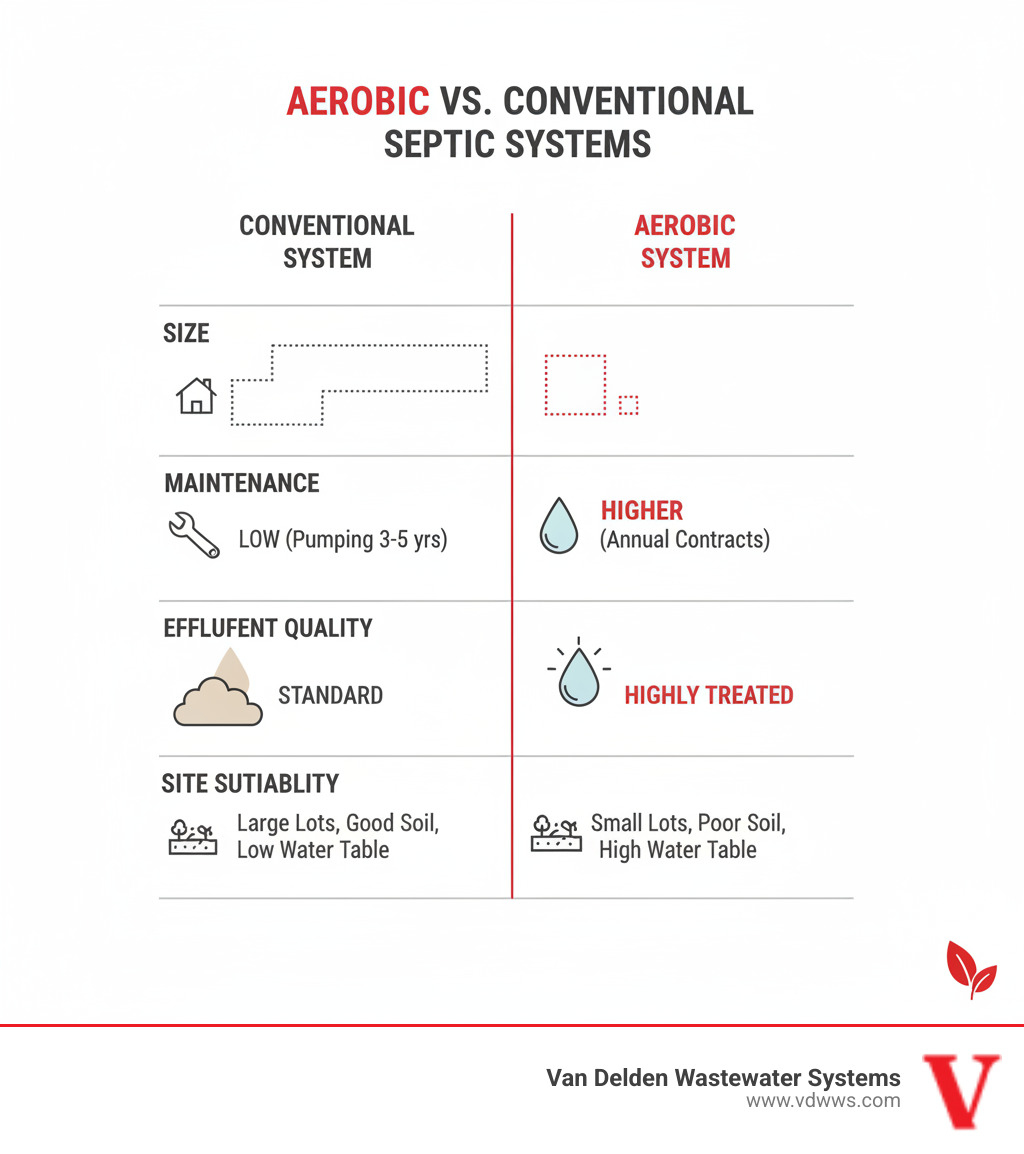
When you're ready to install aerobic septic unit san antonio tx, understanding the difference between aerobic and conventional systems can save you headaches down the road. Both systems have the same goal - treating your home's wastewater safely and effectively - but they go about it in very different ways.
Think of it like this: conventional systems are the quiet, steady workers that have been doing the job for decades, while aerobic systems are like having a mini water treatment plant right in your backyard.
How Aerobic Septic Systems Differ from Conventional Systems
The secret lies in something you can't see: bacteria. Every septic system depends on these microscopic helpers to break down waste, but they prefer different working conditions.
Conventional systems rely on anaerobic bacteria - the type that works without oxygen. Your wastewater flows into a septic tank where solids settle to the bottom and these bacteria slowly break things down. The partially treated water then travels to a drainfield, where soil does the final filtering before it reaches groundwater.
This approach works great when you have good soil and plenty of space. The downside? You need a large drainfield, and if your soil doesn't drain well (hello, Texas clay!), you might be out of luck.
Aerobic systems take a completely different approach. They inject oxygen into the treatment process, creating the perfect environment for aerobic bacteria to thrive. These oxygen-loving bacteria are much more efficient at breaking down waste.
The result? Much cleaner effluent that's actually safe enough to spray directly onto your lawn through a spray irrigation system.
Benefits of Aerobic Systems for San Antonio Properties
Here in San Antonio and the surrounding Texas Hill Country, aerobic systems often make the most sense for several practical reasons.
Higher treatment level means cleaner water leaving your system. The oxygen injection process allows aerobic bacteria to break down waste much more thoroughly than their anaerobic cousins. This isn't just good for the environment - it's often required in areas with strict regulations or near sensitive water sources.
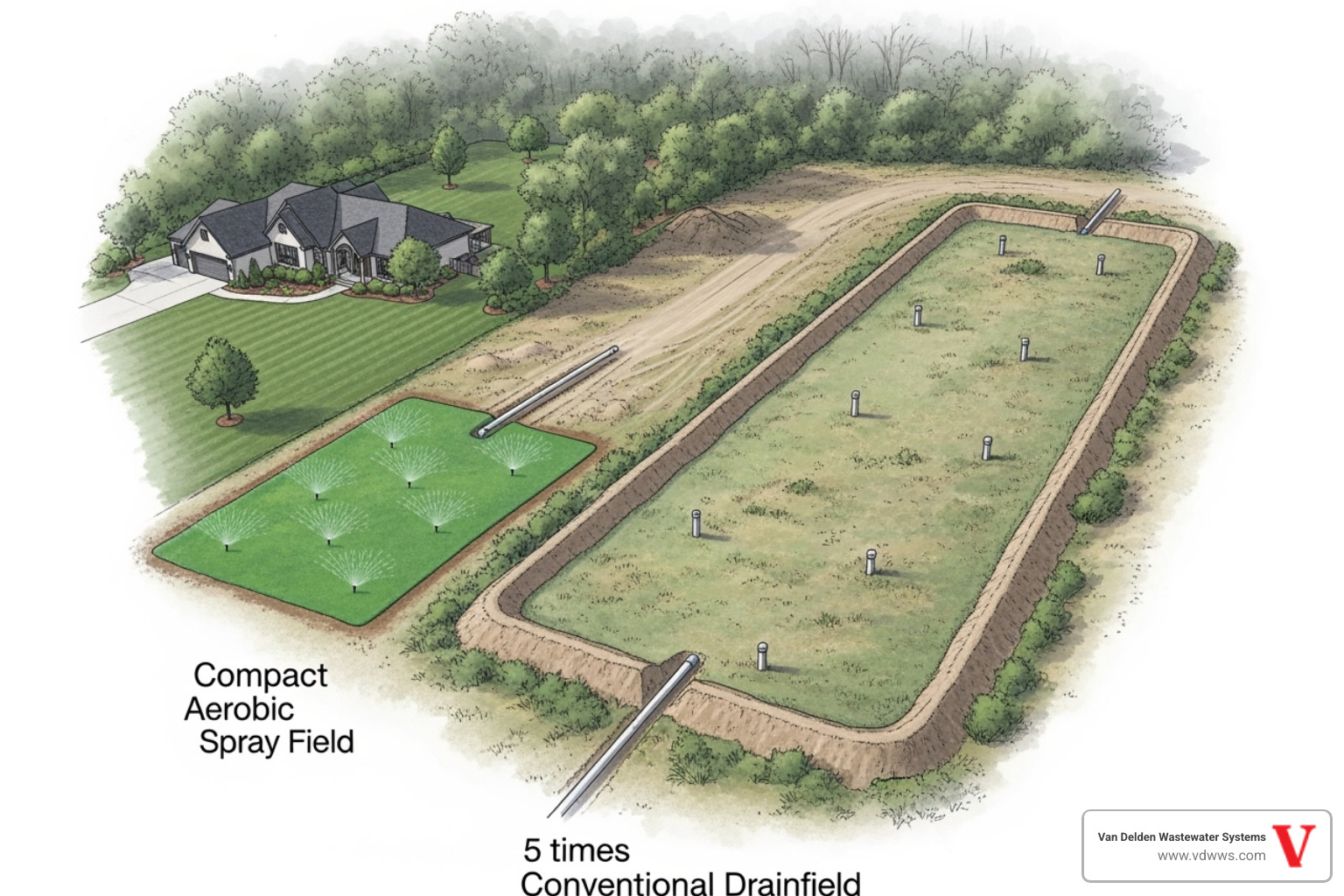
Smaller footprint is a game-changer for many properties. Because aerobic systems treat wastewater so effectively, they need much less space for their spray field compared to conventional drainfields. If your lot is tight or you want to preserve more of your yard, this makes a huge difference.
Poor soil solution addresses one of the biggest challenges in our area. That heavy clay soil that's common in parts of Bexar County? It can spell disaster for a conventional system's drainfield. Aerobic systems are specifically designed to work where conventional systems struggle.
High water table suitability matters more than you might think. When groundwater sits close to the surface, conventional systems can fail or create health hazards. Aerobic systems handle these conditions much better.
Environmental protection benefits everyone. The cleaner effluent from aerobic systems reduces the risk of groundwater contamination and helps protect our local water resources. In an area where many people depend on well water, this isn't just nice to have - it's essential.
Since Van Delden installed the first aerobic system with spray irrigation in Bexar County back in 1990, we've seen how these systems solve problems that seemed impossible with conventional approaches. The conversion from anaerobic to aerobic treatment begins immediately, dramatically improving how effectively your system breaks down waste.
The choice between aerobic and conventional often comes down to your specific property conditions. If you have good soil, plenty of space, and want the simplest option, conventional might work fine. But if you're dealing with challenging soil, limited space, or environmental concerns, an aerobic system could be exactly what you need.
Your Guide to Install an Aerobic Septic Unit in San Antonio, TX
When you're ready to install aerobic septic unit san antonio tx, you're starting on a journey that requires professional expertise at every turn. The good news? With the right team guiding you, the process becomes much more manageable than you might expect.
At Van Delden Wastewater Systems, we've walked hundreds of families through this exact process since 1937. We understand that installing a septic system can feel overwhelming, but breaking it down into four clear steps makes everything easier to understand and manage.
The installation process follows strict TCEQ regulations and local authority requirements, which means every detail matters. That's why professional involvement isn't just recommended - it's absolutely essential for a successful installation.
Watch this time-lapse video to see how a complete septic system installation unfolds from start to finish. It's fascinating to watch months of work compressed into just a few minutes!
Step 1: Professional Site Evaluation
Your septic system journey begins with a thorough site evaluation performed by a licensed Site Evaluator. Think of this as your property's health checkup - we need to understand exactly what we're working with before designing your system.
During this crucial first step, our evaluator digs test pits to analyze your soil composition and absorption rates. This is especially important in the San Antonio area, where soil conditions can vary dramatically from one neighborhood to the next. We've seen everything from sandy loam that drains beautifully to heavy clay that challenges even the best systems.
We also carefully measure property setbacks from water wells, both yours and your neighbors'. The distance requirements might seem strict, but they protect everyone's drinking water. We check setbacks from creeks, property lines, and other critical features to ensure your system meets all safety requirements.
The evaluation also identifies the best location for your system components. We look at slope, elevation, and available space to determine where your septic tank and spray field will work most effectively.
Step 2: Custom System Design
Once we understand your property's unique characteristics, a Professional Engineer or Registered Sanitarian creates a custom design specifically for your situation. No two properties are exactly alike, so no two systems should be identical either.
The engineer determines the right system type and sizing based on your household needs - typically calculated by the number of bedrooms in your home. They create detailed system plans that show the precise layout of every component, from the trash tank to the spray irrigation lines.
Every design must demonstrate strict compliance with state and local regulations. Our engineers know these requirements inside and out, which saves you from potential headaches down the road. The design becomes your roadmap for the entire installation process.
Step 3: Navigating Permits for Your Aerobic Septic Unit Installation in San Antonio, TX
Before any digging begins, we need regulatory approval for your system. The permit application process varies depending on your location - whether you're in Bexar County, Atascosa County, or Bandera County.
We handle this entire process for you because frankly, permit paperwork isn't most people's idea of fun. We prepare all the required documentation, submit your system plans to the appropriate county office, and manage all communication with the regulatory authorities.
Getting regulatory approval can take several weeks, but our experience with local offices helps streamline the process. We know exactly what each county expects and how to present your application for the fastest possible approval.
Step 4: The Installation Process
With permits approved, the real action begins. Installing an aerobic system requires a Licensed Installer II - the highest level of certification in Texas. These complex systems demand expertise that only comes with extensive training and experience.
The excavation phase requires precision. Every measurement from the approved plans must be followed exactly. Our crews dig to the precise depths and dimensions needed for each component of your system.
Tank placement is where things get exciting - and a bit nerve-wracking! Watching a large septic tank get lowered into the ground by an excavator is quite a sight. Our crews have done this thousands of times, so they make it look easier than it actually is.
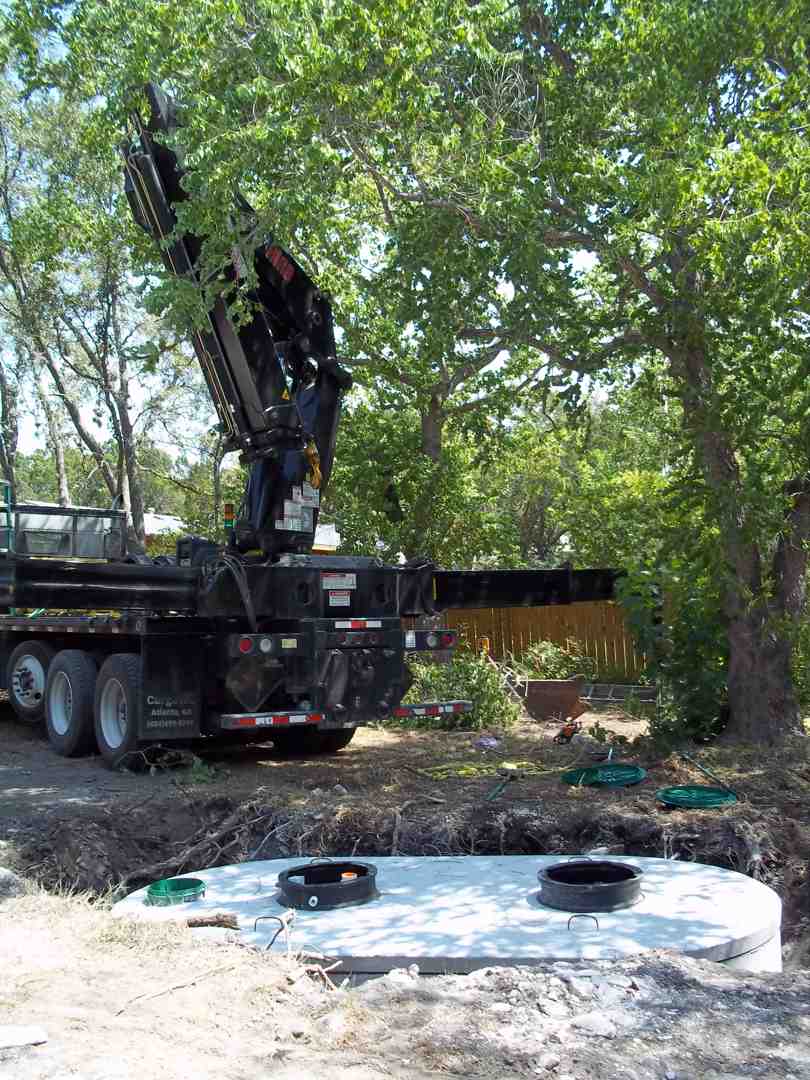
Component connection involves linking all the tanks, pipes, and treatment components according to your custom design. The electrical setup connects your compressor, control panel, and pump systems. Everything must work together seamlessly for your system to function properly.
The final inspection by a county inspector is the last hurdle before your system goes live. Our installation teams take pride in passing these inspections on the first try - it's a reflection of the quality workmanship we've maintained for over 86 years.
Once you pass inspection, your new aerobic system is ready to serve your family for decades to come.
Inside Your System: Types and Components of Aerobic Units
Think of aerobic septic systems as Advanced Treatment Units (ATUs) - they're basically your own personal wastewater treatment plant right in your backyard. When you install aerobic septic unit san antonio tx, you're getting a sophisticated system that works much like the big municipal treatment facilities, just scaled down for your property.
The beauty of these systems lies in their simplicity of operation, even though the technology behind them is quite advanced. Let's walk through what makes them tick.
Common Types of Aerobic Systems
Once your aerobic system has worked its magic treating the wastewater, that clean effluent needs somewhere to go. Here in San Antonio, you'll typically see two main distribution methods.
Spray irrigation systems are probably what you'll encounter most often in our area. Picture tiny sprinkler heads dotting your lawn - that's your treated wastewater being put to good use. The effluent comes out almost crystal clear and practically odorless, so it's perfect for keeping your grass green.
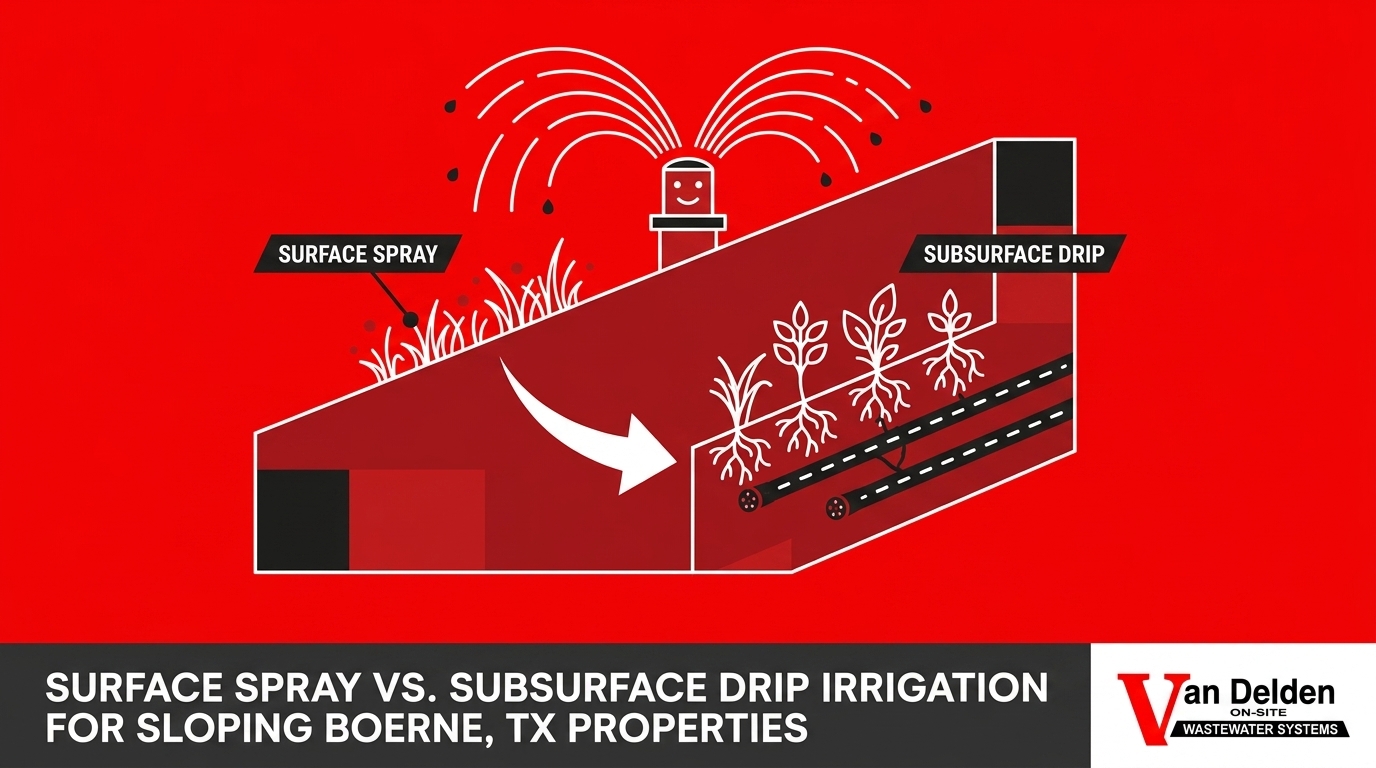
Drip distribution systems work a bit differently. Instead of spraying above ground, these systems use buried tubing to deliver the treated water directly into the soil. It's like having a built-in irrigation system that works underground. This method works great when surface spraying might not fit your landscaping plans.
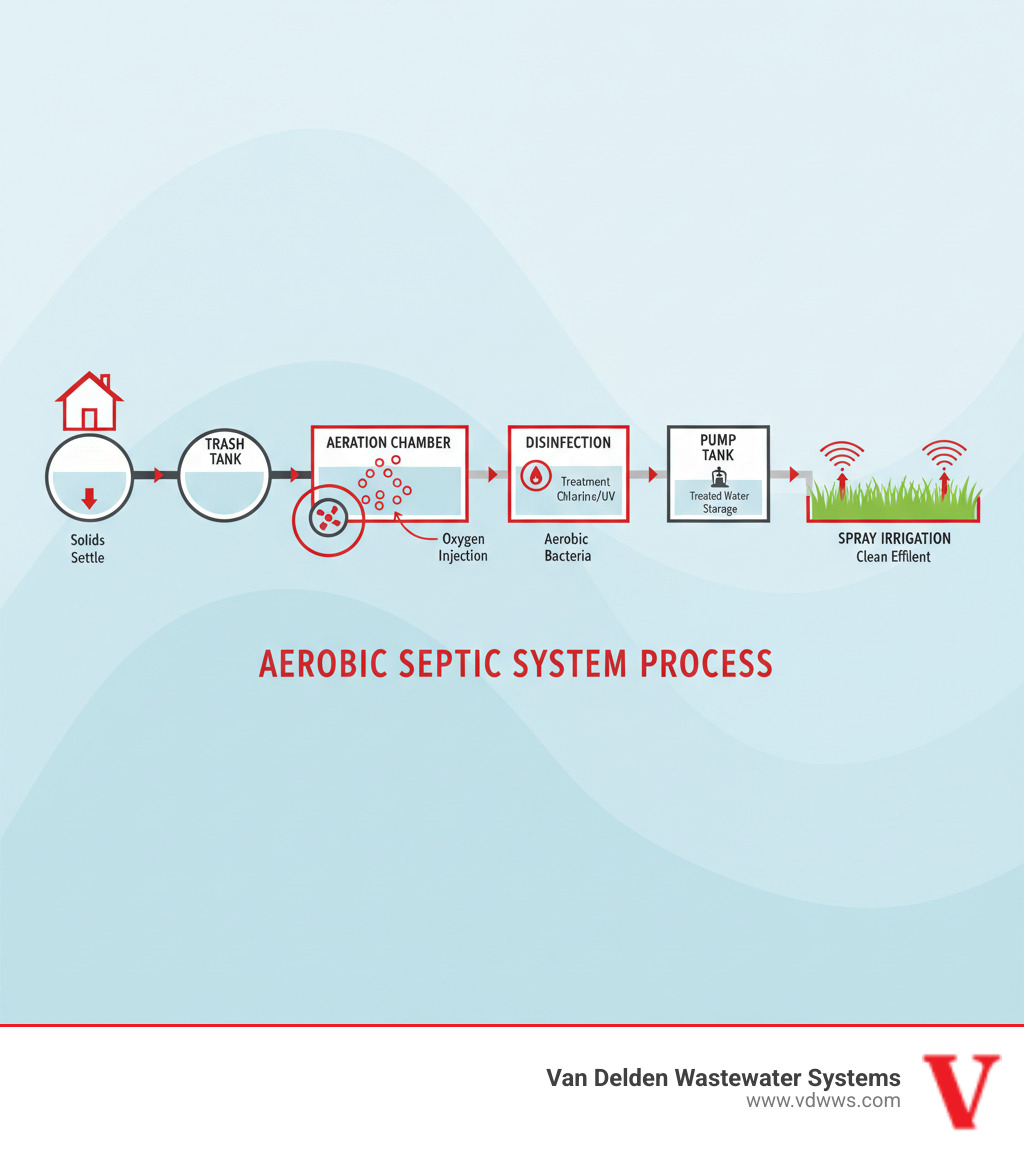
Now, before any of this treated water gets distributed, it goes through a crucial disinfection step. Tablet chlorinators are the most common choice - they're simple and reliable. Chlorine tablets slowly dissolve in the pump tank, making sure everything is properly disinfected. Some systems use liquid chlorinators with regular bleach, while the high-tech option is UV light systems that kill bacteria and viruses without any chemicals at all.
Key Components and Their Functions
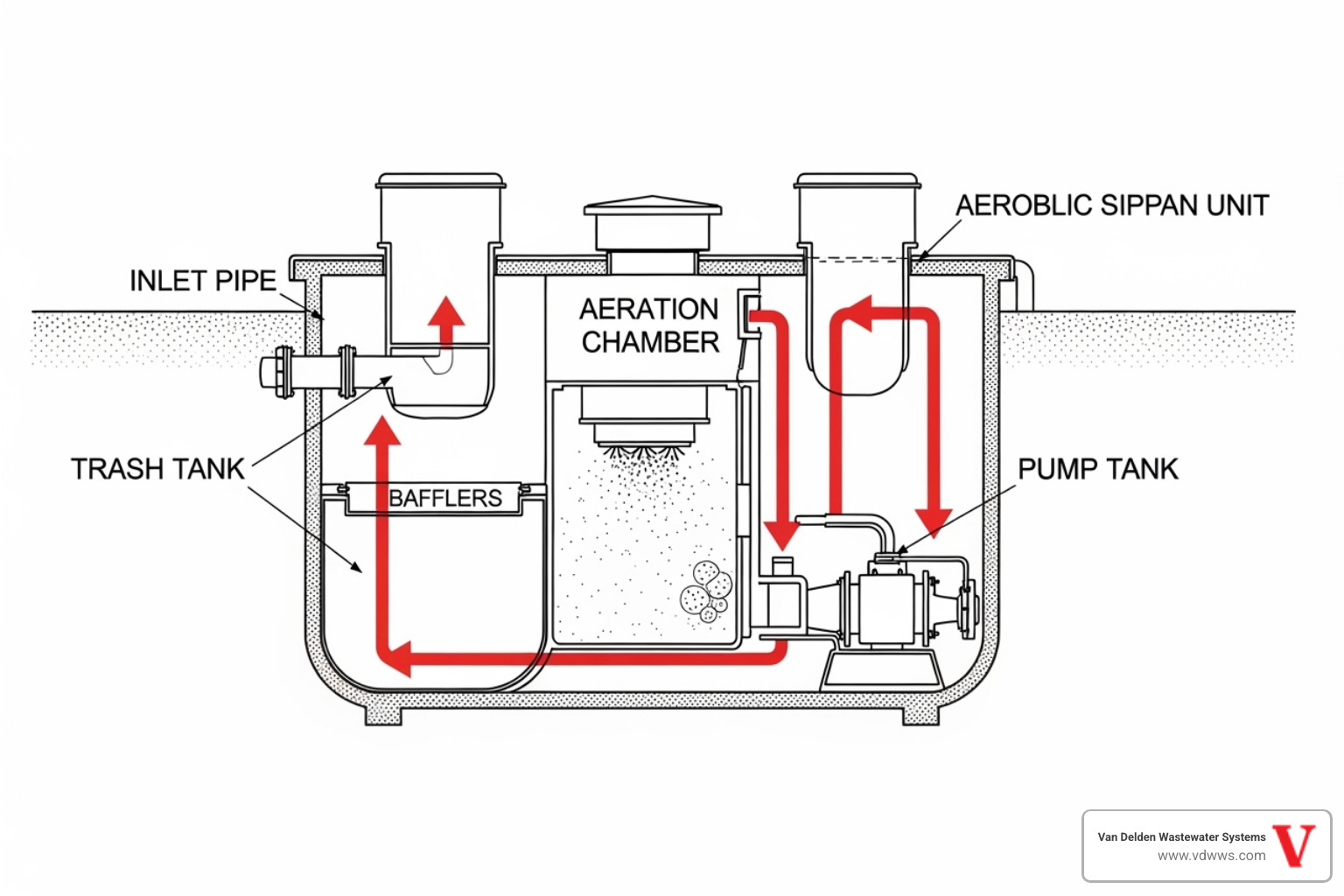
Your aerobic system is really a three-tank operation, each with its own important job to do.
The trash tank is where everything starts. Just like its name suggests, this is where the heavy stuff gets sorted out. Wastewater from your house flows in here first, and gravity does the work - heavy solids sink to the bottom while lighter materials float to the top. This keeps chunks and debris from moving on to the more delicate treatment stages.
Next up is the aeration chamber, and this is where the real magic happens. This tank is constantly getting fresh air pumped into it, creating the perfect environment for those hardworking aerobic bacteria. They're incredibly efficient at breaking down waste, much more so than their oxygen-starved cousins in conventional systems. By the time wastewater leaves this chamber, it's looking pretty clean.
The pump tank is the final stop before your treated effluent heads out to the spray field. This tank holds the clean water until it's time for distribution and usually houses your disinfection system too. When the water level reaches the right point, the pump kicks in and sends the treated effluent out to irrigate your lawn.
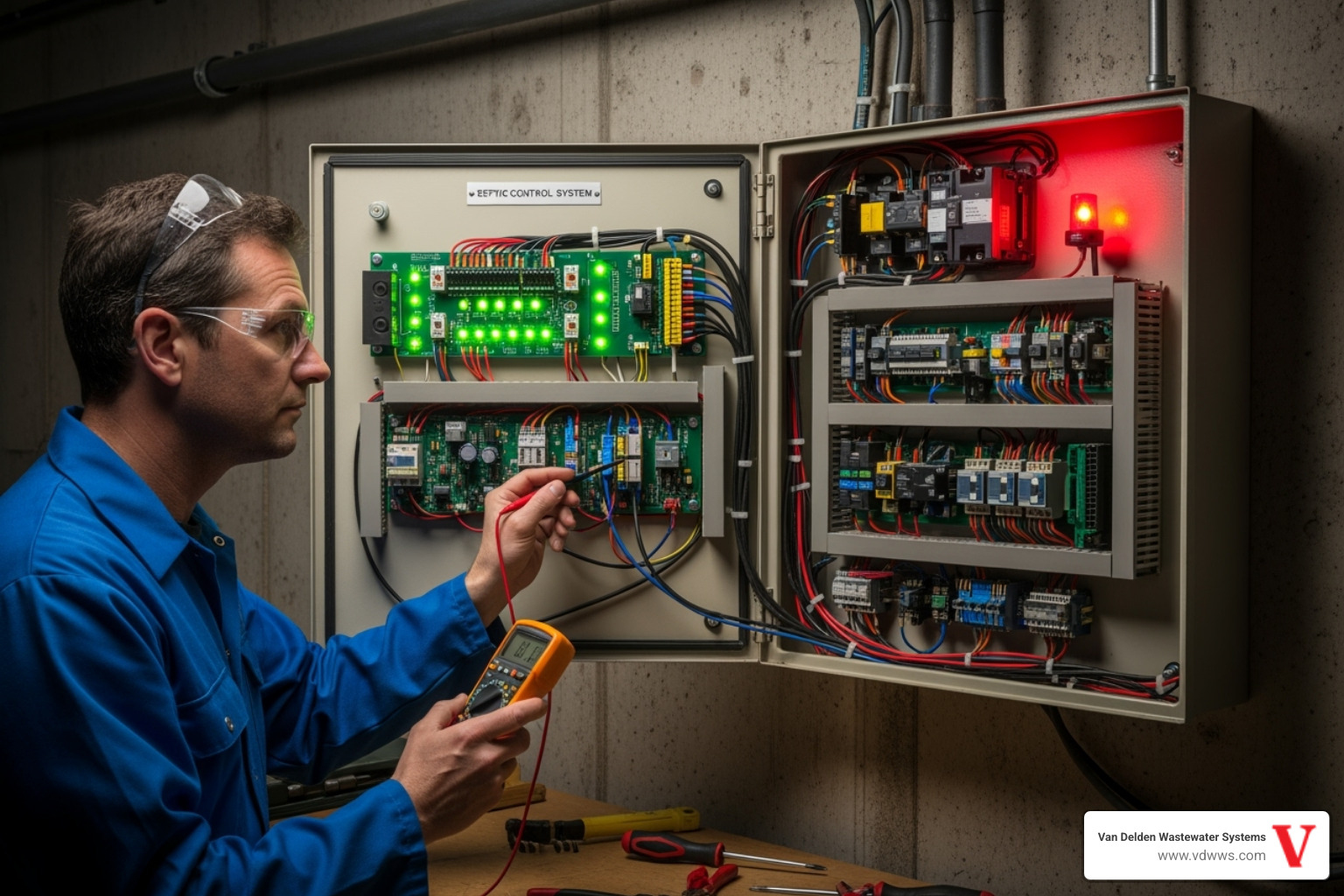
Behind the scenes, your compressor is the hardest working component. It runs almost constantly, pushing air into that aeration chamber to keep those beneficial bacteria happy and productive. The control panel keeps everything running smoothly, managing when the compressor and pump operate.
Finally, your system comes with built-in alarms that act like early warning systems. They'll let you know if something needs attention before it becomes a bigger problem. It's like having a watchdog for your septic system.
Understanding these components helps you appreciate just how sophisticated your system really is when you decide to install aerobic septic unit san antonio tx. Each piece has a specific role in turning your household wastewater into clean, usable water for your landscape.
Living with Your Aerobic System: Maintenance, Lifespan, and Best Practices
Once you install aerobic septic unit san antonio tx, you're investing in a system that can serve your family reliably for 20 to 40 years - but only with the right care. Think of your aerobic system like a car: it's sophisticated technology that rewards proactive maintenance with decades of dependable service.
The key difference between aerobic and conventional systems isn't just how they work, but how they need to be maintained. Your aerobic system has moving parts, electrical components, and beneficial bacteria that all need attention. The good news? With proper care, these systems consistently outperform conventional septic systems.
Required Maintenance for an Aerobic Septic Unit in San Antonio, TX
Texas law takes aerobic system maintenance seriously - and for good reason. These systems protect our groundwater and keep our communities healthy. The state requires 4-month inspections for all aerobic systems, ensuring they're operating at peak efficiency.
When you install a new aerobic system, you'll automatically receive a 2-year initial maintenance contract. This isn't just a legal requirement - it's your system's break-in period. During these crucial first two years, your system is establishing its bacterial colonies and settling into its operational rhythm.
After the initial contract period, TCEQ requires continued maintenance by a Licensed Maintenance Provider in most counties, including Bexar, Atascosa, and Bandera. While some homeowners ask about maintaining their own systems, we've seen too many well-intentioned DIY attempts lead to expensive repairs.
Your aerobic system involves precise chlorine levels, complex electrical components, and delicate biological processes. Our licensed technicians catch small issues before they become big headaches - and that saves you money in the long run.
Homeowner Do's and Don'ts
Your daily habits make a huge difference in how well your system performs. The good news is that living with an aerobic system doesn't require major lifestyle changes - just mindful choices.
Water conservation is your system's best friend. Instead of running three loads of laundry on Saturday, spread them across the week. Fix that dripping faucet you've been ignoring. Your system processes wastewater much more effectively when it's not overwhelmed.
Choose septic-safe cleaners whenever possible. Natural options like baking soda, vinegar, and borax work wonderfully for most cleaning tasks. Your beneficial bacteria will thank you, and your system will reward you with better performance.
Protect your spray heads by keeping grass and weeds trimmed in at least a 10-foot radius around each sprinkler. Those heads need to rotate freely to distribute water evenly. Never park cars or heavy equipment over any part of your system - soil compaction can cause expensive damage.
Here's something many homeowners don't expect: fire ants love electrical components. Check your compressor and control panel monthly for ant activity. Use ant bait rather than sprays, which can damage your equipment.
If your system uses chlorine tablets, check them every 2-4 weeks and add more as needed. Use only septic-specific chlorinating tablets - never swimming pool tablets. We recommend no more than four tablets at a time.
Even aerobic systems need periodic pumping every 3-5 years to remove accumulated solids. Think of it as your system's deep cleaning.
What should you avoid? Never flush anything except human waste and toilet paper. Those "flushable" wipes aren't truly flushable - they cause more service calls than almost anything else. Grease, harsh chemicals, and excessive garbage disposal use can all disrupt your system's delicate balance.
Understanding System Alarms
Your aerobic system's alarms are like smoke detectors - they're designed to get your attention before small problems become big ones.
The Red Alarm (High Water Alarm) means your pump tank water level is too high. First, locate and toggle the HWA switch to silence the alarm. Check if your spray heads are working normally. If they're spraying, you might have a leak in your house - reduce water usage immediately. If they're not spraying, try resetting the PUMP circuit breaker.
The Amber Alarm (Compressor Alarm) indicates your compressor isn't providing oxygen to the aeration chamber. Toggle the COMP switch to silence the alarm, then feel for vibration at the compressor. If it's running but alarming, check for loose air tubing connections. If it's not running at all, try resetting the middle circuit breaker.
When alarms persist after these basic steps, it's time to call us. Conserve water usage and we'll get your system back to normal operation quickly. Addressing alarms promptly prevents minor issues from becoming major repairs.
At Van Delden Wastewater Systems, we've been helping San Antonio families maintain their aerobic systems since we installed the first one in Bexar County back in 1990. We're always here when you need us, ensuring your investment continues protecting your family and property for decades to come.
Conclusion: Begin Your San Antonio Aerobic System Journey with Confidence
When you're ready to install aerobic septic unit san antonio tx, you're making a smart investment that benefits your property, protects our Texas Hill Country environment, and gives you reliable wastewater treatment for decades to come. These advanced systems shine where conventional septic systems struggle - handling challenging clay soils, smaller lots, and high water tables that are common throughout Bexar, Atascosa, and Bandera counties.
Throughout this guide, we've walked you through everything from the initial site evaluation and custom design process to understanding your system's components and maintaining them properly. The key takeaway? Professional installation matters tremendously. From navigating county permits to ensuring every component is connected correctly, this isn't a DIY project.
Your aerobic system represents long-term value for your property. With proper maintenance, these systems typically last 20-40 years, treating your family's wastewater while actually improving your lawn with clean, disinfected effluent. That's pretty remarkable when you think about it.
At Van Delden Wastewater Systems, we've been perfecting septic solutions since 1937 - that's 86+ years of helping San Antonio families solve their wastewater challenges. We're proud to have installed the first aerobic system with spray irrigation in Bexar County back in 1990, and we've been innovating ever since.
What sets us apart is our family-owned approach to business. Our technicians are background-checked professionals who take time to educate you about your system. We're not commissioned salespeople - we're problem solvers who provide detailed service documentation and photo records of every job.
Whether you're dealing with a failing conventional system, building your dream home in the Hill Country, or facing challenging site conditions, we're here to guide you through every step of the process.
Ready to get started? Learn more about our aerobic system services or give us a call. We'd love to hear about your project.
We appreciate our customers! Please Leave A Review sharing your experience with our services.
Need to find us? Get directions to our San Antonio location.
For transparency, you can review our Privacy Policy, Do Not Share My Information, Conditions of Use, Notice and Take Down Policy, and Website Accessibility Policy.