Why Your Leach Field Deserves Attention
Cleaning leach field lines is a critical task that keeps your septic system working and prevents costly failures. While the septic tank gets most of the attention, the leach field—where wastewater is treated before returning to the soil—is often overlooked until problems arise.
Quick Answer: Key Methods for Cleaning Leach Field Lines
- Professional Sewer Jetting - High-pressure water blasts away sludge and debris.
- Mechanical Augering - Specialized equipment removes tree root intrusions.
- Biological Treatment - Additives help break down organic buildup and biomat.
- Annual Flushing - Routine maintenance clears lines and maintains flow.
- Professional Inspection - Expert assessment identifies issues before they become emergencies.
While most septic tanks need pumping every 3-5 years, leach field cleaning is typically prompted by symptoms like slow drains, sewage odors, or wet spots in your yard.
After solids settle in the septic tank, partially treated water flows into the leach field's perforated pipes. Here, soil and beneficial bacteria filter contaminants, returning clean water to the groundwater. However, about a quarter of all septic repairs involve drain field failures caused by heavy solids, grease, tree roots, or biomat overgrowth. The good news is that many clogs can be cleaned rather than requiring a full replacement.
This guide covers everything from recognizing warning signs to understanding professional cleaning methods. A well-maintained leach field can last 50 to 60 years, protecting your property and the environment.
Understanding Your Septic System's Unsung Hero: The Leach Field
Your home's septic system has a hidden champion working beneath your yard—the leach field. It's where the real magic happens, quietly treating wastewater before returning it safely to the environment. When properly maintained, a good leach field can last an impressive 50 to 60 years. Understanding how it works is the first step toward keeping it healthy. For comprehensive guidance, the EPA's A Homeowner's Guide to Septic Systems offers valuable insights.
What is a Leach Field and How Does It Work?
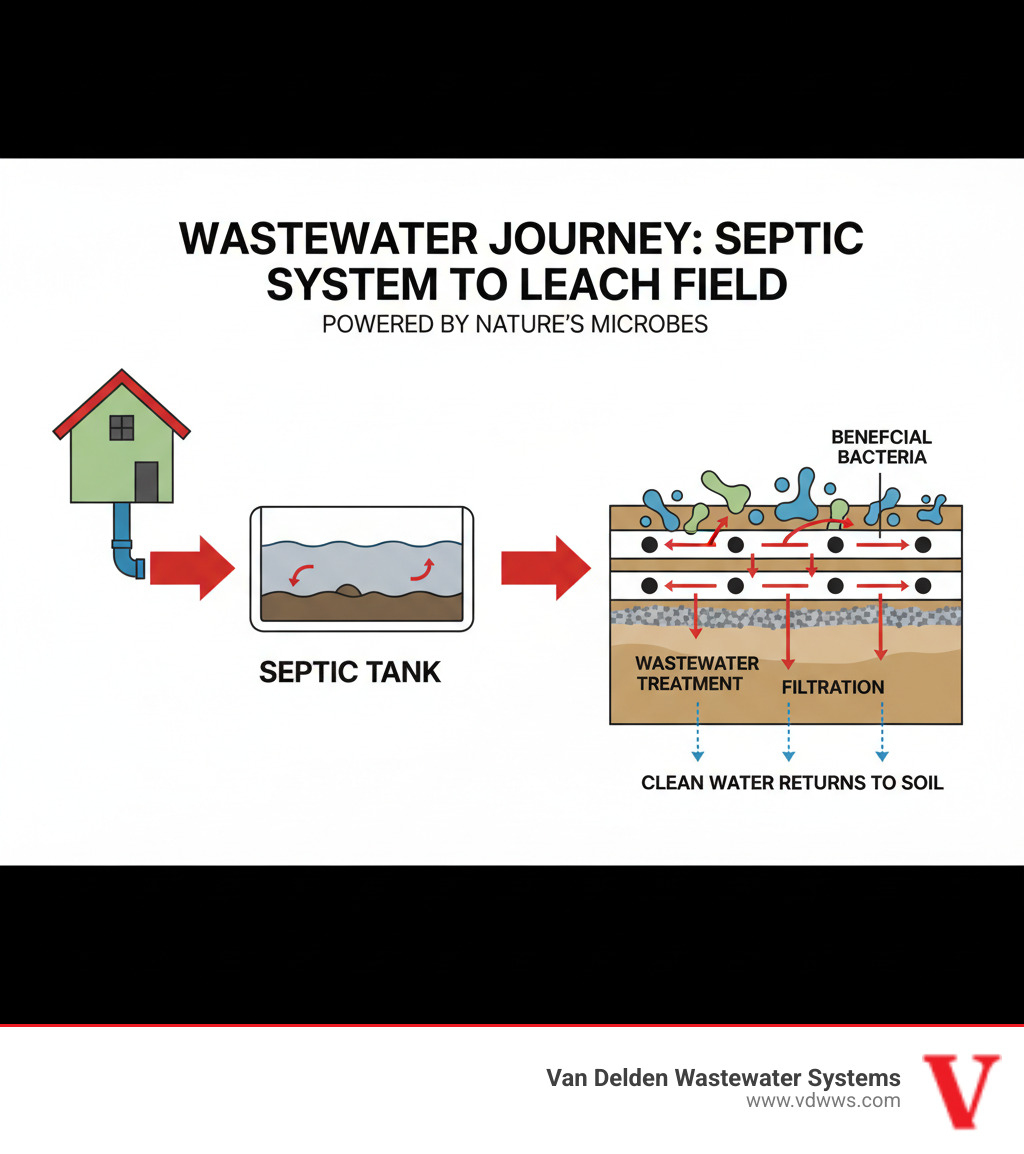
Think of your leach field as nature's water treatment plant. After wastewater leaves the septic tank (where solids settle), the partially treated water, or effluent, flows into a network of perforated pipes. These pipes are buried in gravel-filled trenches under your yard.
The effluent seeps through small holes in the pipes into the surrounding gravel and soil. The soil acts as a giant filter, removing harmful contaminants. It's aided by beneficial aerobic bacteria in the earth that break down organic matter and eliminate viruses. These microscopic helpers need oxygen, which is why the gravel and soil structure is so important.
Over time, a thin biological layer called biomat forms around the pipes. In a healthy system, this slimy layer helps with filtration. However, if the biomat grows too thick, it blocks water from seeping into the soil, causing backups. This delicate balance is why cleaning leach field lines sometimes becomes necessary.

Common Causes of Leach Field Clogs
Your leach field is built to last, but several common culprits can lead to clogs:
- Solid Waste Buildup: If you skip regular septic tank pumping (every 3-5 years), solids can escape into the leach field pipes and block them.
- Grease and Oil: Fats, oils, and grease (FOG) poured down the drain solidify in the pipes, creating stubborn blockages that prevent proper drainage.
- Biomat Overgrowth: The helpful biomat layer can thicken into an impermeable barrier if too much organic material reaches the field or if harsh chemicals kill beneficial bacteria.
- Hydraulic Overload: The system gets overwhelmed when it receives too much water at once from long showers, multiple laundry loads, or leaky fixtures. The soil becomes saturated and can't absorb any more water.
- Tree Root Intrusion: Tree roots are naturally drawn to the water and nutrients in your leach field. If planted too close, their roots can enter and block the perforated pipes.
- Soil Compaction: Driving or parking vehicles over the drain field compresses the soil, reducing its ability to absorb water and suffocating the helpful bacteria that need oxygen.
- Non-Degradable Items: Wet wipes (even "flushable" ones), feminine hygiene products, paper towels, and dental floss don't break down and will create blockages.
Is Your Leach Field Crying for Help? Telltale Signs of a Clog
Your leach field works quietly, but it sends clear signals when something is wrong. Recognizing these warning signs early can mean the difference between a simple cleaning and a costly system replacement.

- Slow Drains: If sinks, showers, and toilets throughout the house are all draining sluggishly, your septic system is likely struggling to keep up.
- Gurgling Sounds: Strange gurgling from your plumbing indicates that air is trapped in the system, often due to blockages in the leach field lines.
- Sewage Odors: A rotten-egg smell around your septic tank or yard means wastewater isn't being treated properly and is surfacing where it shouldn't.
- Wet Spots in Your Yard: Persistent soggy areas or standing water over your leach field during dry weather are a classic sign of failure. The soil can no longer absorb the water.
- Unusually Lush Grass: A patch of grass over your leach field that is noticeably greener or taller than the rest of your lawn is being fertilized by surfacing effluent.
- Sewage Backups: Raw sewage backing up into your home is a critical failure. The leach field is severely clogged and can no longer accept wastewater.
A failed leach field poses serious health risks from raw sewage exposure and can contaminate groundwater. What starts as a manageable clog can quickly escalate. At Van Delden Wastewater Systems, our technicians can diagnose these issues early and recommend the right solution, preventing a minor problem from becoming an emergency.
Your Step-by-Step Guide to Cleaning Leach Field Lines
When your leach field shows signs of trouble, it's tempting to try a DIY fix. However, cleaning leach field lines is a job where professional expertise is essential for your safety and your system's health. Many leach field clogs stem from overflowing solids from a septic tank that hasn't been pumped in the recommended 3-5 years. Furthermore, working on a septic system is dangerous due to potentially lethal sewer gases. This guide outlines the professional methods used to safely and effectively restore your leach field.
Why Professional Cleaning is Essential
Attempting to clean leach field lines yourself can lead to damaged pipes, compacted soil, and more expensive repairs. Professional cleaning isn't an upsell—it's about protecting your investment.
- Accurate Diagnosis: Trained technicians can distinguish between sludge buildup, root intrusion, or structural damage, ensuring the correct treatment is applied.
- Specialized Equipment: Professionals use industrial-grade sewer jetters and mechanical augers with root-cutting blades. This equipment is far more powerful than consumer-grade tools and is designed to clean thoroughly without harming your system.
- Safety: Professionals are trained to handle the hazards of sewer gases and prevent environmental contamination, following strict safety protocols.
- Comprehensive Solutions: Beyond clearing the clog, our technicians provide advice on preventing future issues and maintaining your system for its full 50-60 year lifespan.
When you notice warning signs, call Van Delden Wastewater Systems. Our honest, non-commissioned technicians are committed to educating you and providing quality work.
What to Expect from a Professional Cleaning
When you call Van Delden Wastewater Systems, we follow a thorough process:
- Inspection: We start with a detailed inspection of your entire septic system to identify the root cause of the problem.
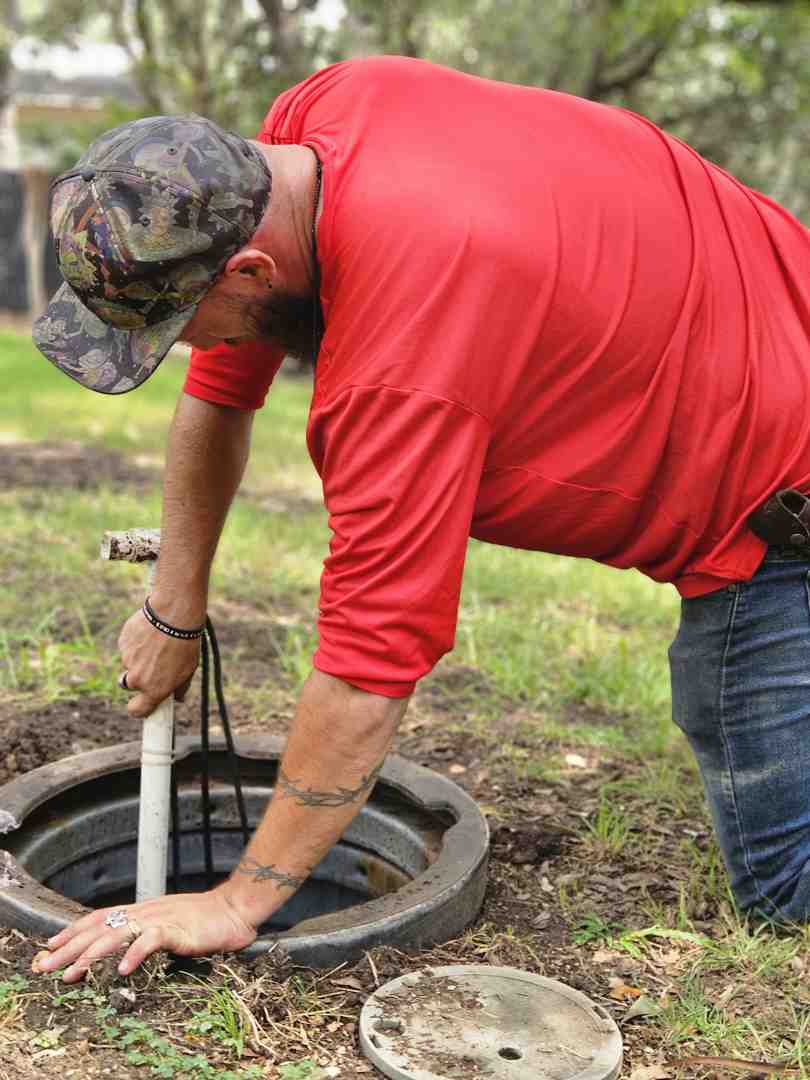
- Access: Using detection equipment, we locate your leach field lines and carefully excavate access points, minimizing disruption to your yard.
- Cleaning: Depending on the issue, we use high-pressure water jetting to scrub away sludge and biomat or a mechanical auger for tough clogs like tree roots. Our goal is to restore proper wastewater flow.
- Verification and Follow-Up: After cleaning, we verify that the system is flowing freely. You'll receive detailed service documentation, photos of our work, and expert recommendations for ongoing maintenance.
Tackling Tough Clogs: Tree Roots and Heavy Sludge
Tree roots and heavy sludge are two of the most challenging clogs. Roots seek out the moisture in your leach field pipes, creating dense blockages. We tackle these with a mechanical auger to shred the roots, followed by high-pressure water jetting to flush out the debris. You can watch a demonstration of a sewer jetter in action to see its effectiveness.
Heavy sludge, often from neglected tank pumping, coats the inside of pipes and blocks absorption. Our powerful sewer jetters use concentrated streams of water to scour the pipes clean, breaking apart stubborn buildup and reopening the perforations so your leach field can function efficiently again.
Preventative Care: Keeping Your Leach Field Healthy for the Long Haul
Most leach field problems are preventable. Like a car, your system needs regular maintenance to run smoothly for decades. Here's how to protect your investment and avoid emergency cleaning leach field lines.
- Regular Septic Tank Pumping: This is the most important step. Have your tank pumped every 3-5 years to prevent solids from building up and escaping into your leach field.
- Water Conservation: Your leach field can only absorb so much water at once. Fix leaky faucets, spread out laundry loads, and install low-flow fixtures to prevent hydraulic overload.
- Mind What You Flush: Your septic system is designed for human waste, toilet paper, and water only. "Flushable" wipes, feminine hygiene products, paper towels, and dental floss do not break down and will cause clogs.
- Never Pour Grease Down the Drain: Fats, oils, and grease solidify in your pipes, creating stubborn blockages.
- Protect the Drain Field Area: Never drive, park, or build on your leach field. The weight compacts the soil and can damage pipes, preventing water absorption.
- Landscape Wisely: Plant only grass over your leach field. Tree and shrub roots will invade your pipes seeking water. Also, direct rainwater from gutters away from the area.
- Avoid Harsh Chemicals: Strong drain cleaners, excessive bleach, and antibacterial soaps kill the beneficial bacteria your septic system needs to break down waste. Opt for septic-safe, biodegradable products.
For more tips, the Washington State Department of Health offers an excellent Caring for Your Septic System guide.
Here's your quick reference list of what never to flush or pour down your drains:
- Fats, oils, and grease (FOG)
- "Flushable" wipes, baby wipes, paper towels
- Feminine hygiene products, diapers
- Coffee grounds, eggshells, food scraps
- Harsh chemical cleaners, bleach, paint
- Medications
Following these practices can help your system reach its full 50 to 60-year lifespan.
When to Call for Backup: Professional Leach Field Services
Even with diligent care, some leach field problems require professional attention. It's crucial to recognize when to call in the experts.
If you notice persistent slow drains, foul odors, or wet spots over your drain field, it's time for a professional diagnosis. These problems will not resolve on their own. A sewage backup into your home is a critical emergency that requires immediate intervention due to the serious health hazards.
DIY septic repairs are extremely risky. Sewer gases can be lethal, and improper work can lead to damaged pipes and environmental contamination, resulting in far costlier repairs. Many issues, like root intrusion or severe biomat buildup, require specialized equipment like mechanical augers and industrial sewer jetters.
Septic systems are complex, and local conditions matter. Our technicians understand the specific soil types and regulations in areas like Boerne, Bulverde, and San Antonio, Texas. We can quickly determine if you have a simple clog, hydraulic overload, or structural damage.
When you call Van Delden Wastewater Systems, you're getting a family-owned business with experience dating back to 1937. Our non-commissioned technicians provide honest assessments, not sales pitches. We educate our customers and document our work thoroughly, so you understand exactly what your system needs. For an expert diagnosis, learn more about professional drainfield cleaning services.
Frequently Asked Questions about Leach Field Maintenance
Homeowners often have questions about cleaning leach field lines and septic health. Here are answers to the most common ones.
How often should leach field lines be cleaned or flushed?
This depends. Routine, preventative flushing can be done annually on some systems with the right access ports. However, deep cleaning leach field lines to remove a blockage is only done as needed, in response to symptoms like slow drains or soggy ground. The single best preventative measure is regular septic tank pumping every 3-5 years, which stops solids from reaching the leach field in the first place.
Can a clogged leach field be permanently repaired?
In many cases, yes. Professional cleaning with high-pressure water jetting and mechanical augering can effectively clear clogs from biomat, grease, or tree roots, restoring the system for years. However, cleaning may only be a temporary fix if the problem is caused by poor soil conditions or structurally damaged pipes. In those situations, replacement might be the more practical long-term solution. Our technicians will provide an honest assessment of your specific situation.
What's the difference between a leach field and a drain field?
There is no difference! "Leach field" and "drain field" are interchangeable terms for the same part of your septic system. You might also hear it called an absorption bed or seepage field depending on your region. All these names refer to the underground network of pipes where wastewater is dispersed into the soil for final treatment.
Conclusion
Your leach field is the final, critical stage in your home's wastewater treatment, protecting your property and the local groundwater. As we've covered, the key to its longevity isn't a secret—it's consistent, proactive care.
Regular septic tank pumping every 3-5 years, conserving water, being mindful of what you flush, and protecting the ground above your drain field are the pillars of a healthy system. When warning signs like slow drains or wet spots do appear, professional intervention is essential for a correct diagnosis and safe repair.
At Van Delden Wastewater Systems, our family has cared for septic systems since 1937. Our non-commissioned technicians provide honest recommendations and expert service, backed by detailed documentation. We believe in educating our customers and treating every property with respect.
A well-maintained leach field can serve your home for 50 to 60 years. When you need expert care to protect that investment, we're here to help.
Learn more about professional drainfield cleaning services