Why Finding Your Septic Lid is a Non-Negotiable Task
The best way to find septic tank lid access involves checking property records, tracing your sewer line, and using a soil probe. Knowing your lid's location is crucial to avoid emergency headaches and costly service delays, especially during a sewage backup when technicians need to find it quickly. Locating that lid seems optional—until it isn't.
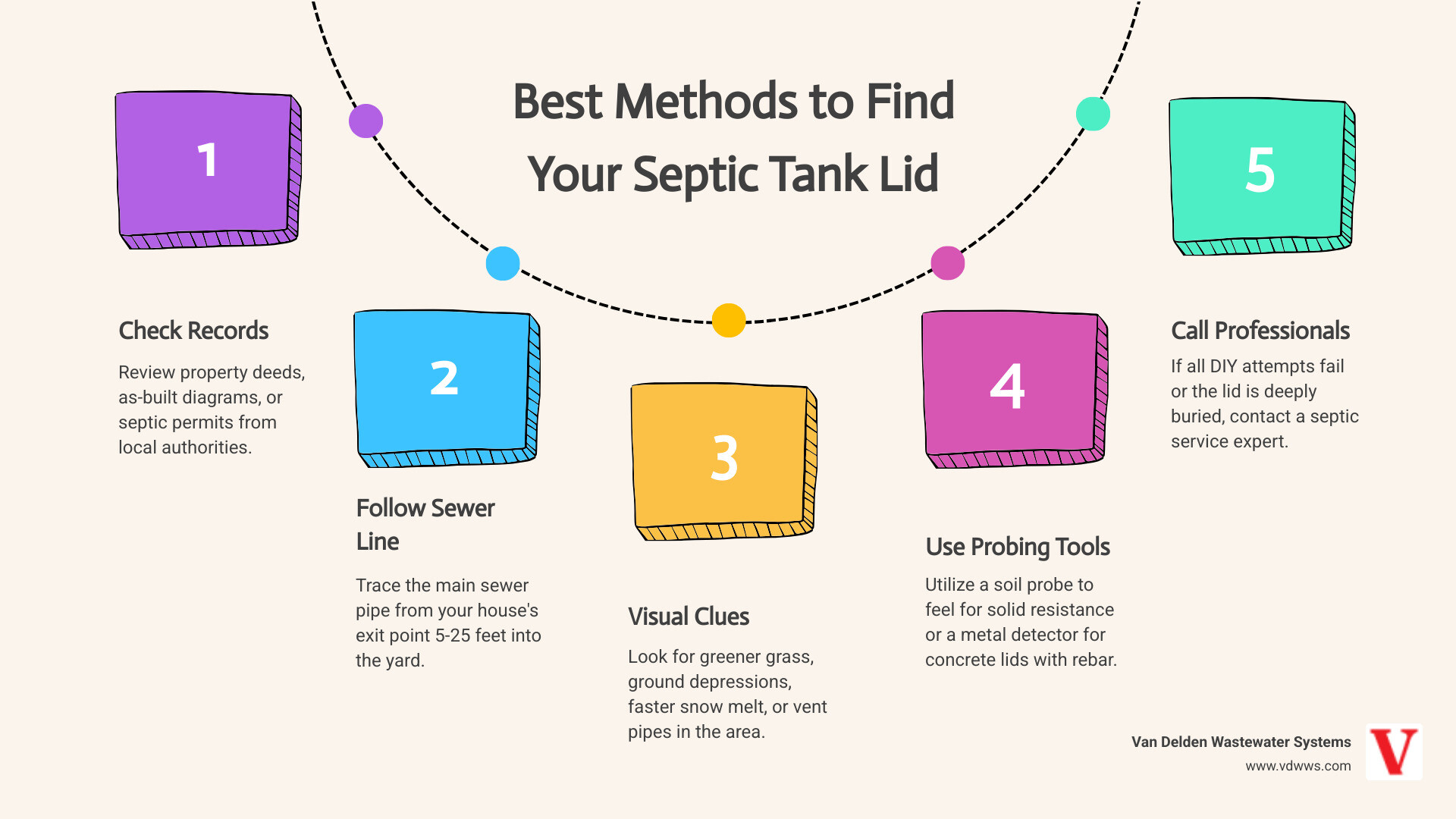
Quick Answer: Best Methods to Find Your Septic Tank Lid
- Check property records: Look for as-built diagrams or septic permits from your county health department.
- Follow the sewer line: Trace the main pipe from your basement or crawlspace 5-25 feet into your yard.
- Look for visual clues: Greener grass, ground depressions, faster snow melt, or vent pipes.
- Use a soil probe: Feel for a solid object in the ground where the tank might be buried.
- Try a metal detector: Locate older concrete lids with rebar or metal tank components.
- Call professionals: When DIY methods fail or the lid is buried very deep.
For homeowners in Texas and beyond, knowing your septic system's layout protects your investment and prevents the panic of a late-night sewage backup. At Van Delden Wastewater Systems, we know a simple search can prevent hours of emergency excavation. If you have concerns beyond finding the lid, learn about comprehensive septic system maintenance or schedule a professional inspection.
Understanding Your Septic System
A septic tank is an underground wastewater treatment system for homes not on a municipal sewer line. It separates solid waste (sludge) from liquid waste (effluent). Bacteria in the tank break down organic matter, while the effluent flows into a drainfield for further treatment by the soil. This process requires regular pumping every 3-5 years to remove sludge and scum, preventing backups and system failure. For more details, see this Septic tanks resource.
The Importance of Knowing Your Lid's Location
Knowing your septic lid's location is critical for several reasons:
- Saves Time and Money: Directing technicians to the lid saves time and avoids potential "dig-up" fees, making maintenance more efficient.
- Emergency Preparedness: Quick access is essential for diagnosis and repair during emergencies like backups.
- Prevents Backups: Easy access encourages regular pumping and inspections, the best defense against sewage backups.
- Avoids Damage: Knowing the tank's location prevents damage from heavy vehicles or construction.
- Landscaping Planning: It allows you to plan gardens, fences, or trees without risking damage to your system.
Proactive maintenance starts with knowing your system's layout. For more insights, see our guide on Where's Your Septic Tank Located.
Before You Dig: Understanding Lids, Depths, and Safety
Before you start searching, it's important to know what you're looking for and understand the serious safety risks involved. Not all septic tank lids are the same, and opening one is a job strictly for professionals.
Septic Lid Types and Typical Depths
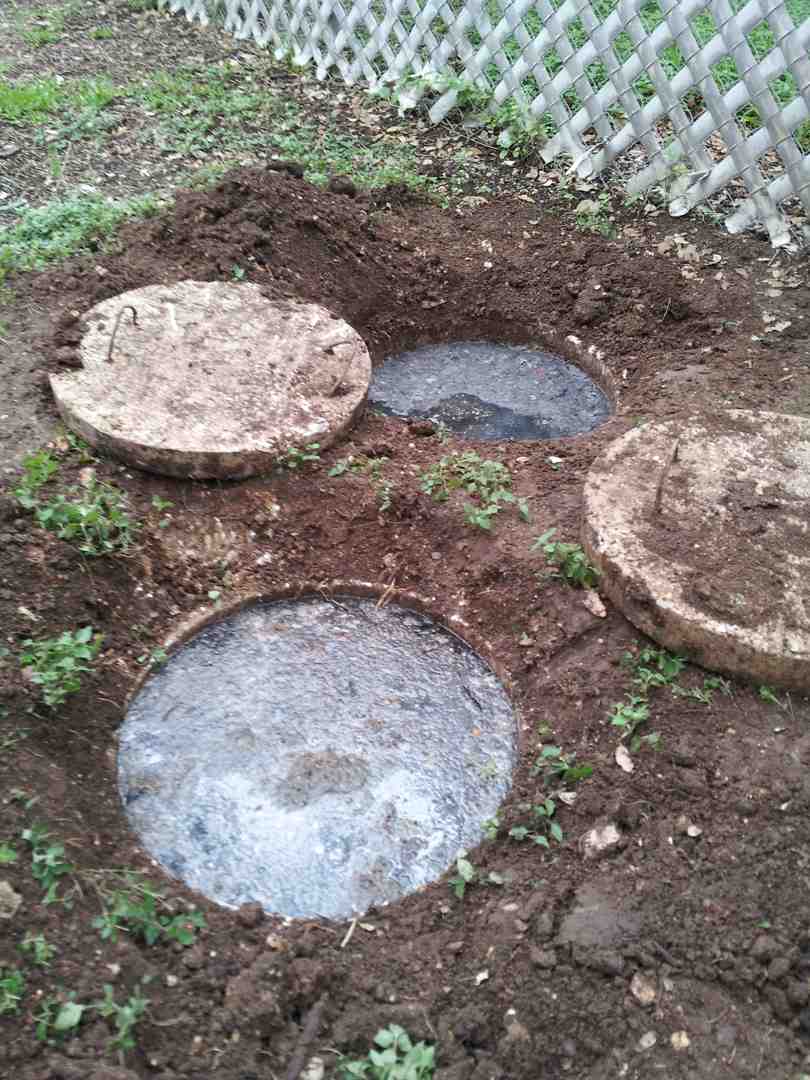
The best way to find septic tank lid access begins with knowing the lid type. Homes built before 1975 often have a heavy concrete lid, which can weigh hundreds of pounds and last 40+ years. These lids usually contain metal rebar, making them detectable with a metal detector. Modern systems typically feature lighter plastic or fiberglass lids with a 20-25 year lifespan.
Another key difference is the number of lids. Most modern tanks have two access points (inlet and outlet), while older pre-1975 tanks may only have a single central lid.
As for depth, it varies. The average depth is about one foot, but lids can be buried anywhere from four inches to four feet deep. Landscaping and soil settling can alter the original depth over time. For more details on issues caused by lid depth, see our guide on Signs of Damaged Septic Tank Lids in Helotes.
The Critical Dangers of DIY Lid Removal
Your job is to locate the lid. Our job, as professionals, is to open it. This is a critical safety distinction.
- Toxic Sewer Gas: Septic tanks contain dangerous fumes like hydrogen sulfide, which can be fatal in minutes. It's an invisible killer that can't always be smelled. The Wisconsin Department of Health Services provides detailed warnings about sewer gas, highlighting this universal risk.
- Falling into the Tank: As Wikipedia notes, An open septic tank is a serious danger. A fall can lead to unconsciousness from fumes and drowning in sewage. It's a confined space hazard requiring professional training and equipment.
- Physical Injury: Concrete lids can weigh over 200 pounds. Attempting to lift one can cause crushed fingers, back injuries, or worse. Even lighter lids pose a risk.
Our technicians at Van Delden Wastewater Systems use proper safety gear, gas detectors, and experience to handle these hazards safely. Please, find the lid, mark its location, and call us to open it. It's the smartest and safest approach. We offer professional septic tank locating services for expert help.
The Best Way to Find Your Septic Tank Lid: A Step-by-Step Guide

Now it's time to track down the lid. The best way to find septic tank lid access combines some research, careful observation, and simple tools. Your goal is only to locate the lid, not to open it.
Step 1: Start with the Paper Trail
Before heading outside, check for documents. The easiest way to find your tank is often through records.
- County Records: Your local health or building department should have as-built diagrams or septic permits on file, especially for homes built after the 1980s. These documents show the tank's location relative to your house.
- Previous Owners: If possible, contact the previous homeowners. They may have a sketch or photo from the last time the tank was serviced.
Understanding these records is a reliable starting point, as explained in our guide on Septic System Planning: What to Know When Buying a Home.
Step 2: Follow Clues from Your House and Yard
If paperwork isn't available, your property offers clues. Start by finding the 4-inch main sewer line where it exits your house in the basement or crawlspace. The tank is usually located in a straight line from this pipe, between 5 and 25 feet from the foundation. It will not be under a driveway or patio.
Next, look for visual signs in your yard:
- Greener Grass: Patches of lusher grass can indicate the moisture and nutrients from the tank.
- Ground Depressions: The soil above a tank can settle over time, creating a slight dip.
- Faster Snow Melt: The tank's biological activity generates heat, which can melt snow on the ground above it.
- Vent Pipes: Small pipes sticking out of the ground are often located near the tank or drainfield.
Our How to Find My Septic Tank Video can walk you through this process visually.
Once you have a general area, use tools to find the exact spot. Safety first: call 811 before you dig. This free service marks underground utility lines to prevent dangerous and costly accidents.
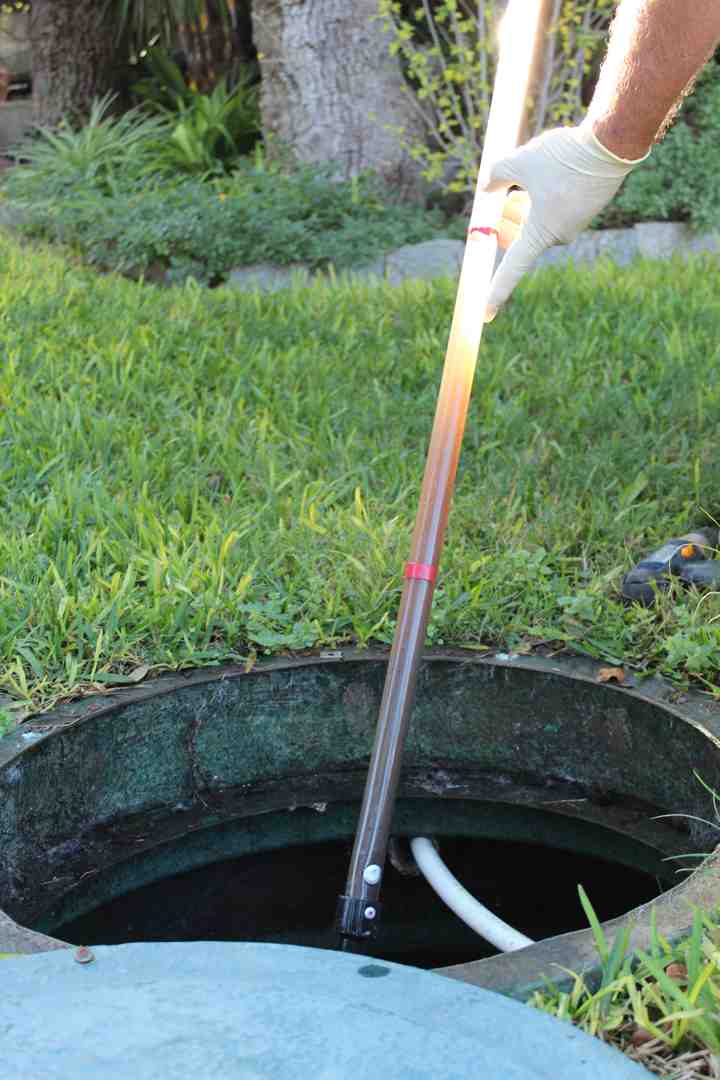
- Soil Probe: Use this long metal rod to gently push into the ground in a grid pattern across the suspected area. You'll feel a distinct change in resistance when you hit the solid surface of the tank. Probe around the spot to confirm you've found a large, flat object.
- Metal Detector: This is very helpful for older systems with steel tanks or concrete lids reinforced with rebar. Sweep the detector over the area and listen for a change in tone indicating metal.
- Rebar: A long piece of rebar can be used as a substitute for a soil probe.
Once you've found a large, solid surface, you've likely located your tank. If you'd rather have an expert handle the search, we offer a Finding Septic Tank Lid service.
After You Find It: Marking and Upgrading for Easy Future Access
Congratulations on locating your septic tank lid! The next step is to ensure you never have to search for it again. Proper marking and a potential upgrade can save you time and hassle in the future.
Best Practices for Marking and Maintaining the Area
To ensure the best way to find septic tank lid access next time is simply to walk to it, create a permanent marker. Decorative rocks, a garden statue, or a birdbath are excellent, attractive options that blend into your landscaping. Alternatively, you can use weather-resistant flags or stakes. Keep the grass around the marker mowed to prevent it from becoming hidden.
Periodically check the area for signs of settling, cracks, or odors, which could indicate a problem. Our guides on How to Identify and Address Septic Lid Issues and Quick Fixes for Common Septic Lid Issues can help you spot warning signs.
The Ultimate Upgrade: Installing Septic Risers
For a permanent solution, installing septic risers is the smartest long-term upgrade. A riser is a durable pipe that extends from your tank's opening to the surface, capped with a secure lid. This brings access to ground level, eliminating the need for future digging. You can learn more in our guide, Riser for Septic Tank.
The benefits are significant:
- Easy Access: Makes pumping and inspections quick and effortless, regardless of weather or ground conditions.
- Cost Savings: Eliminates excavation and dig-up fees during service visits.
- Safety and Damage Prevention: A visible, secure riser prevents accidental falls and damage from vehicles or construction. Our article on Septic Tank Safety Risers and Safety Pans Save Lives details these advantages.
Installing risers is a permanent fix that makes all future maintenance smoother and stress-free. For more on the process, see Installing Septic Risers for Better Access.
When to Call the Pros: Professional Locating and Inspections
Sometimes, a septic tank lid remains hidden despite your best efforts. Knowing when to call a professional is a sign of smart homeownership.
When DIY Isn't Enough
It's time to call for professional help if:
- You've exhausted all DIY methods without success.
- The lid is likely buried deep (more than a couple of feet), making digging impractical and unsafe.
- The tank is in a tricky location, such as under a deck, shed, or heavy landscaping. Our article on an Septic Inspection Discovery Inaccessible Tank highlights these challenges.
- You notice unusual odors, suspect a leak, or feel unsafe at any point during your search.
Your safety is the top priority. Our guide on How to Choose a Quality Septic Company can help you find a trustworthy provider.
How Professionals Find Lids and Inspect Systems
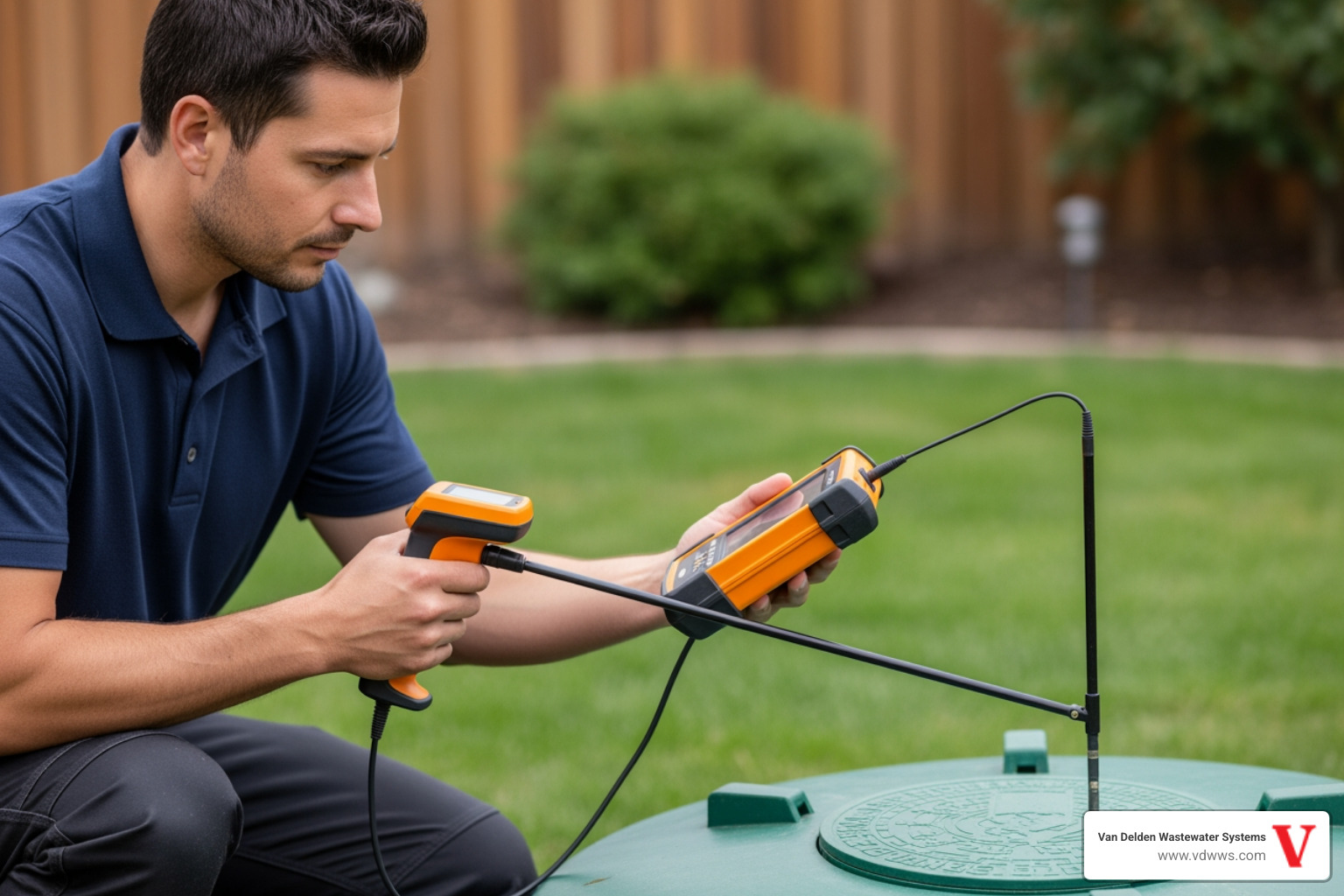
Our technicians use specialized technology to take the guesswork out of locating your tank.
- Electronic Transmitter/Receiver: We can flush a small transmitter down a toilet, which travels to the tank. A receiver above ground then pinpoints its exact location.
- Camera Inspection: A flexible camera can be sent down the sewer line to visualize the pipe's path and identify the tank's entry point.
- Ground-Penetrating Radar (GPR): For the most challenging cases, GPR creates an image of what's underground without any digging.
Once we locate and safely access your lid, we perform a full system evaluation, checking sludge levels, baffles, and the tank's structural integrity. This gives you a complete picture of your system's health. Learn more about our process in What Happens During a Septic System Inspection Part I and How to Conduct a Septic System Inspection.
When the best way to find septic tank lid access proves too difficult, the experienced technicians at Van Delden Wastewater Systems are here to help.
Frequently Asked Questions about Finding Septic Lids
Here are answers to the most common questions we receive from homeowners about locating their septic systems.
How deep is a septic tank lid usually buried?
Septic tank lids can be buried anywhere from four inches to four feet deep, with the average being about one foot. The depth can change over time due to landscaping or soil settling, which is why a soil probe is such a useful tool for searching.
Are there always two lids on a septic tank?
Not always. Modern septic tanks typically have two lids for separate inlet and outlet compartments, which allows for more thorough service. However, older systems installed before 1975 often have only one central lid. Your home's age can be a clue as to whether you are searching for one lid or two.
Is it safe to remove a septic tank lid myself?
No. It is absolutely not safe to remove a septic tank lid yourself. This job must be left to trained professionals for three critical reasons:
- Toxic Fumes: Septic tanks contain hydrogen sulfide gas, which can be fatal in minutes.
- Risk of Falling: Falling into an open tank is a life-threatening emergency due to the toxic atmosphere and risk of drowning.
- Heavy Lids: Concrete lids can weigh hundreds of pounds and cause severe injury if they are moved improperly or slip.
Your job is to find the lid's location. Our job as trained technicians is to open it safely. Following this guide is the best way to find septic tank lid access, but the final step of opening it belongs to the pros.
Conclusion
Finding your septic tank lid is an achievable task for most homeowners. By systematically checking property records, observing your yard, and using simple tools, you can pinpoint its location. Most importantly, prioritize safety at every step. Always call 811 before you probe the ground, and never attempt to open the lid yourself due to toxic gases and other serious risks.
Once found, marking the spot or installing septic risers will make future maintenance simple and stress-free, saving you time and money on service calls. This proactive step transforms a recurring chore into a one-time solution.
Since 1937, Van Delden Wastewater Systems has provided honest, professional septic services to homeowners in Boerne, Helotes, San Antonio, and surrounding Texas communities. Our family-owned business is built on quality work and customer education, delivered by background-checked, non-commissioned technicians.
If your search comes up empty or you'd prefer an expert to handle it, we're ready to help with specialized locating equipment. For expert assistance locating your septic tank, trust the professionals. Learn more about our septic tank locating services today.